Toronto Guide: Royal Ontario Museum (ROM)
In a city known for its cultural diversity and vibrant neighborhoods, few institutions capture the breadth of human history and natural wonder quite like the Royal Ontario Museum—better known locally as the ROM. Whether you’re a first-time visitor to Toronto or a returning traveler looking to deepen your experience, the ROM offers an immersive journey through time, culture, and science. With its striking architecture, world-class collections, and central location, it stands as one of Canada’s most iconic cultural destinations.
This guide will walk you through everything you need to know—from what to see and how to plan your visit to tips that will make your experience seamless, plus a closer look at the surrounding neighborhood.
A Brief History of the ROM
Founded in the early 20th century, the Royal Ontario Museum officially opened its doors in 1914. The vision was ambitious: to create a museum of international significance in Toronto. Over a century later, that vision has more than been realized. Today, the ROM is Canada’s largest museum, housing over 18 million artifacts, artworks, and natural history specimens across more than 40 galleries.
Originally composed of five separate museums—including archaeology, zoology, and geology—it has since evolved into a unified institution dedicated to exploring both nature and culture on a global scale.
One of the museum’s most defining moments came in 2007 with the unveiling of the Michael Lee-Chin Crystal, a bold, angular architectural addition designed by Daniel Libeskind. This modern extension juxtaposes dramatically with the original heritage building, symbolizing the ROM’s commitment to bridging past and present.
The ROM is vast, and trying to see everything in one visit is nearly impossible—so planning ahead is key. Here are some of the highlights you won’t want to miss:
1. Natural History & Dinosaurs
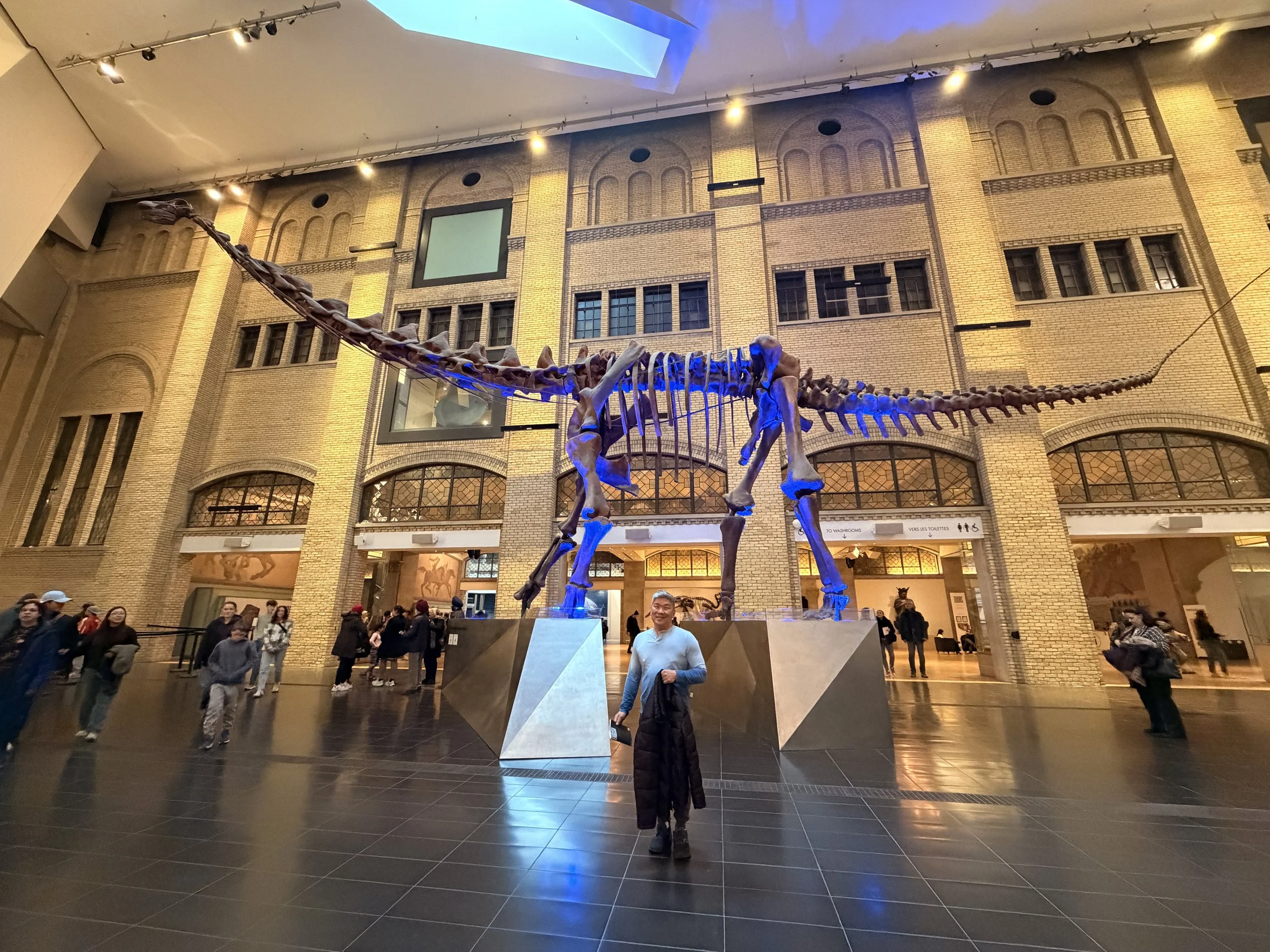
1. Natural History & Dinosaurs
The dinosaur galleries are among the most popular exhibits, featuring towering skeletons and immersive displays that bring prehistoric life to life. It’s a favorite for families, but just as captivating for adults.
2. World Cultures
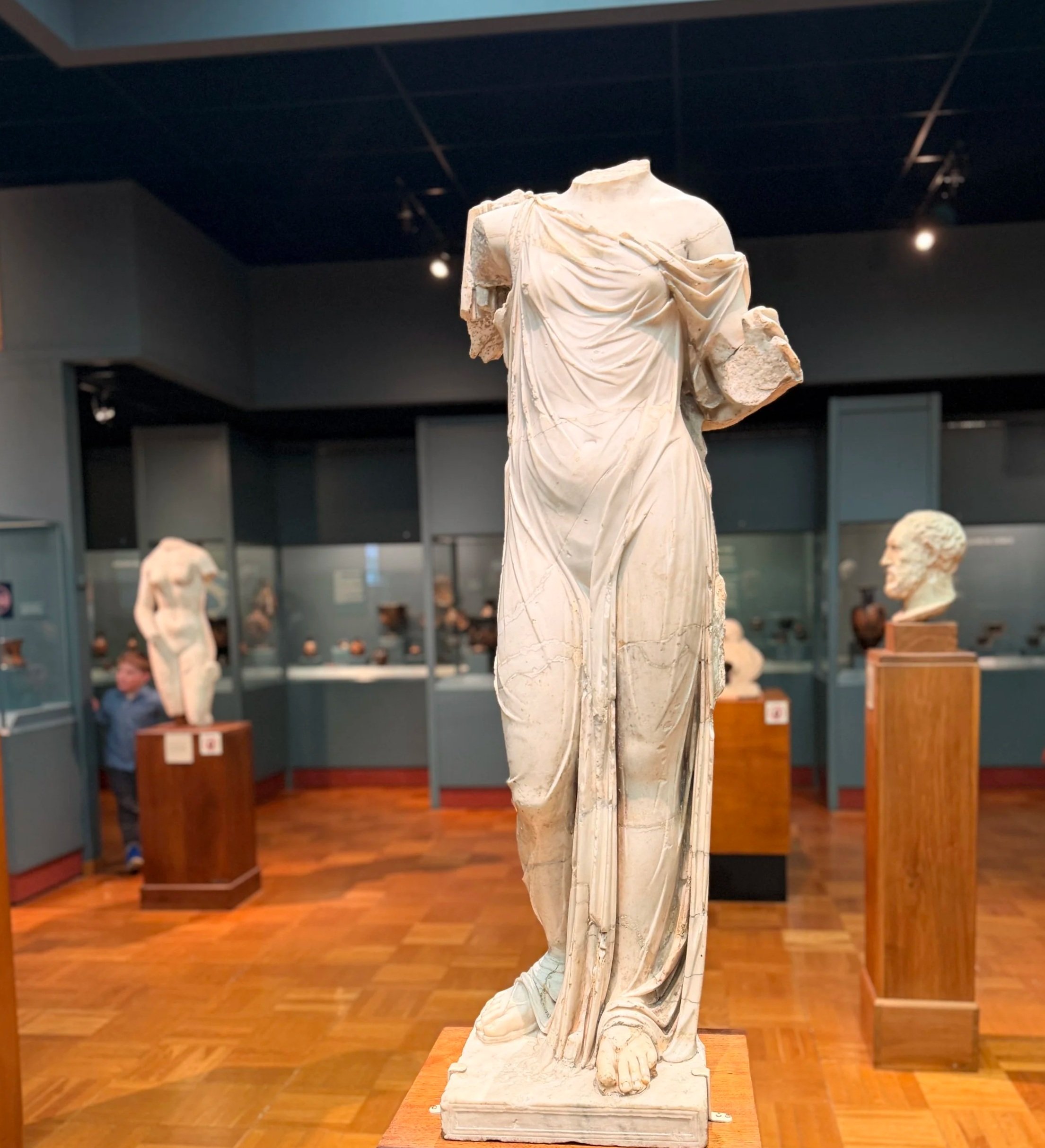
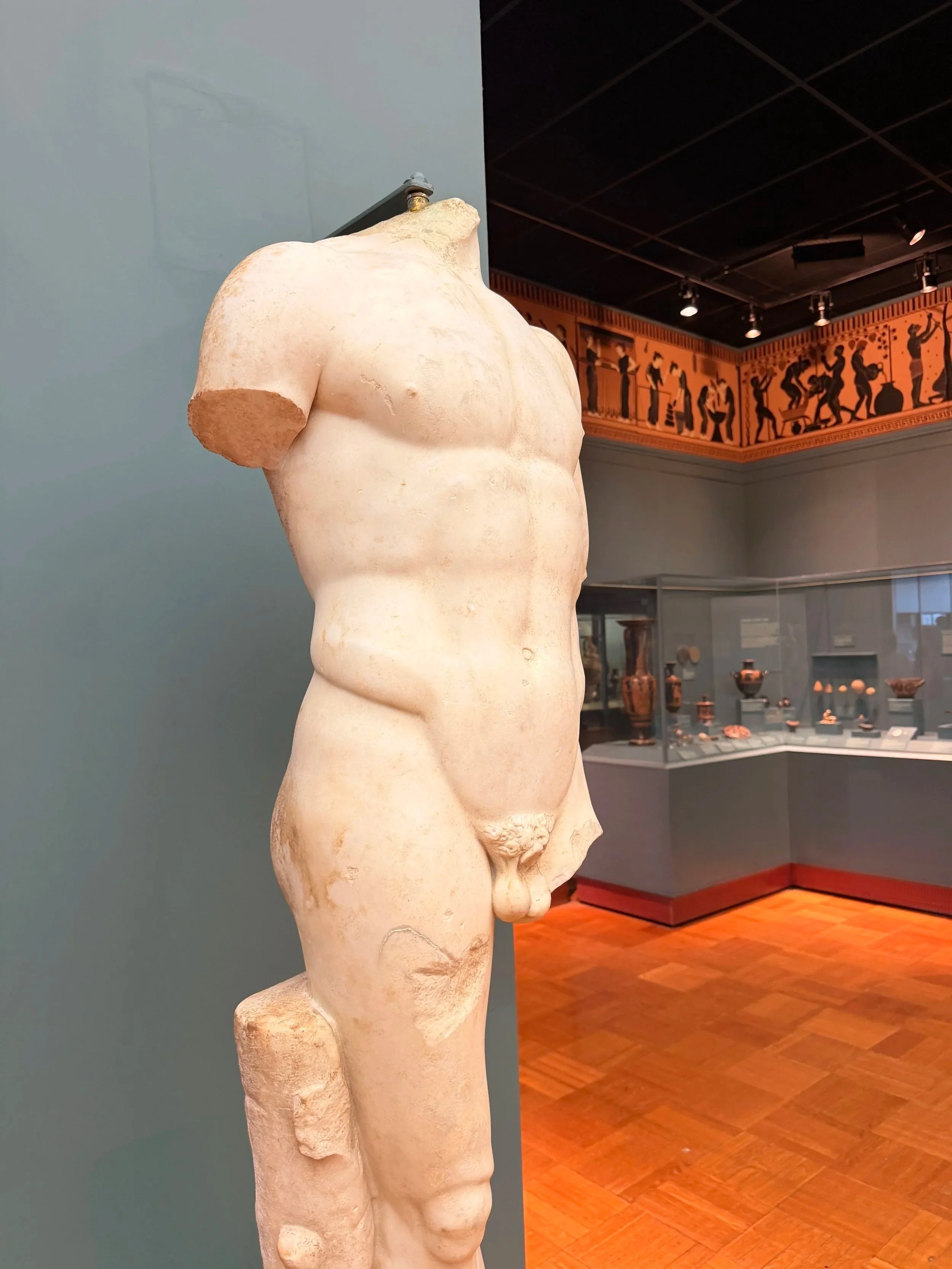
From ancient Egyptian mummies to Chinese temple art and Indigenous Canadian artifacts, the ROM’s cultural collections span continents and centuries. These galleries offer a powerful look at human creativity, belief systems, and daily life across time.
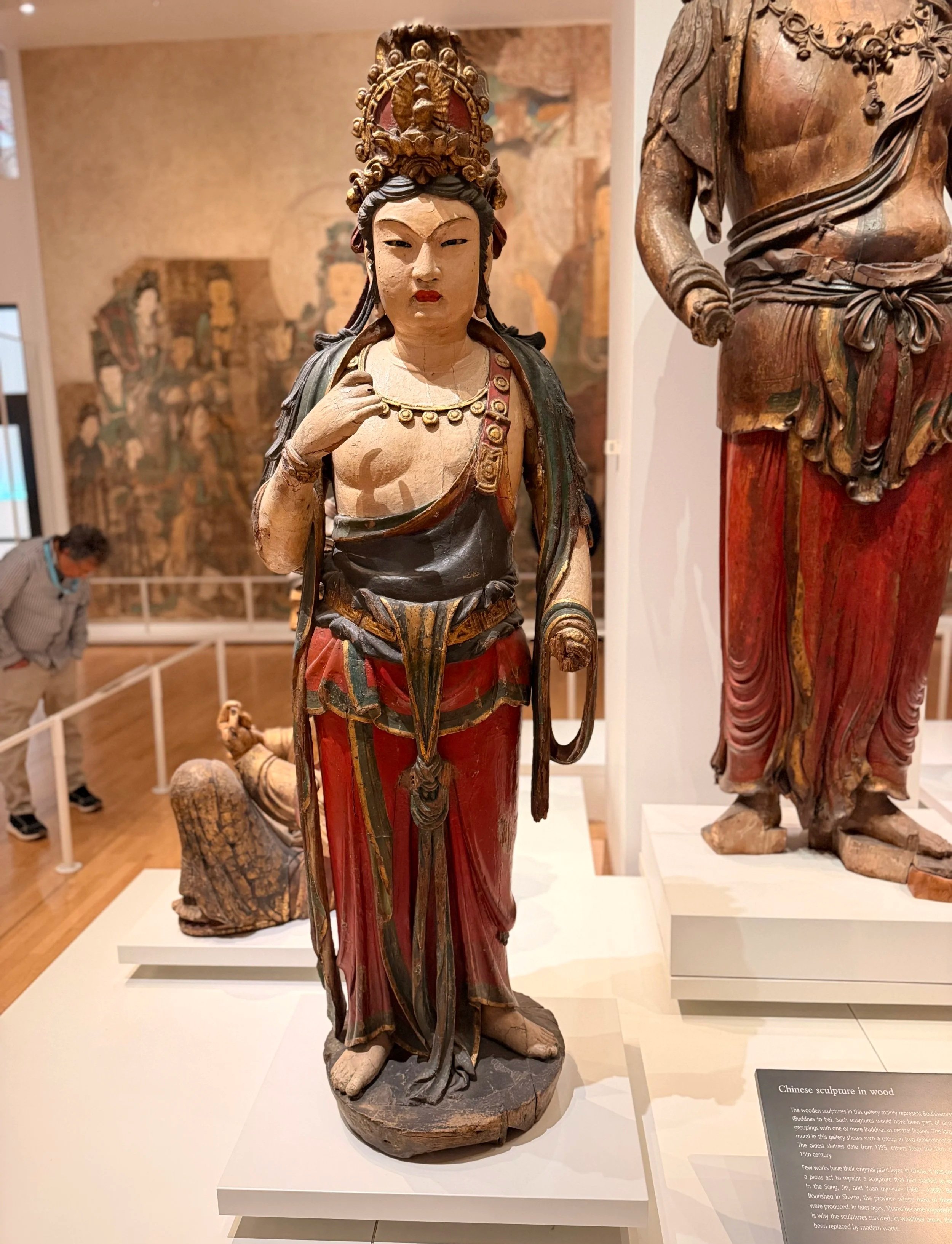
3. Biodiversity & Earth Sciences
The museum’s biodiversity galleries explore ecosystems, endangered species, and environmental change—making them both educational and deeply relevant.
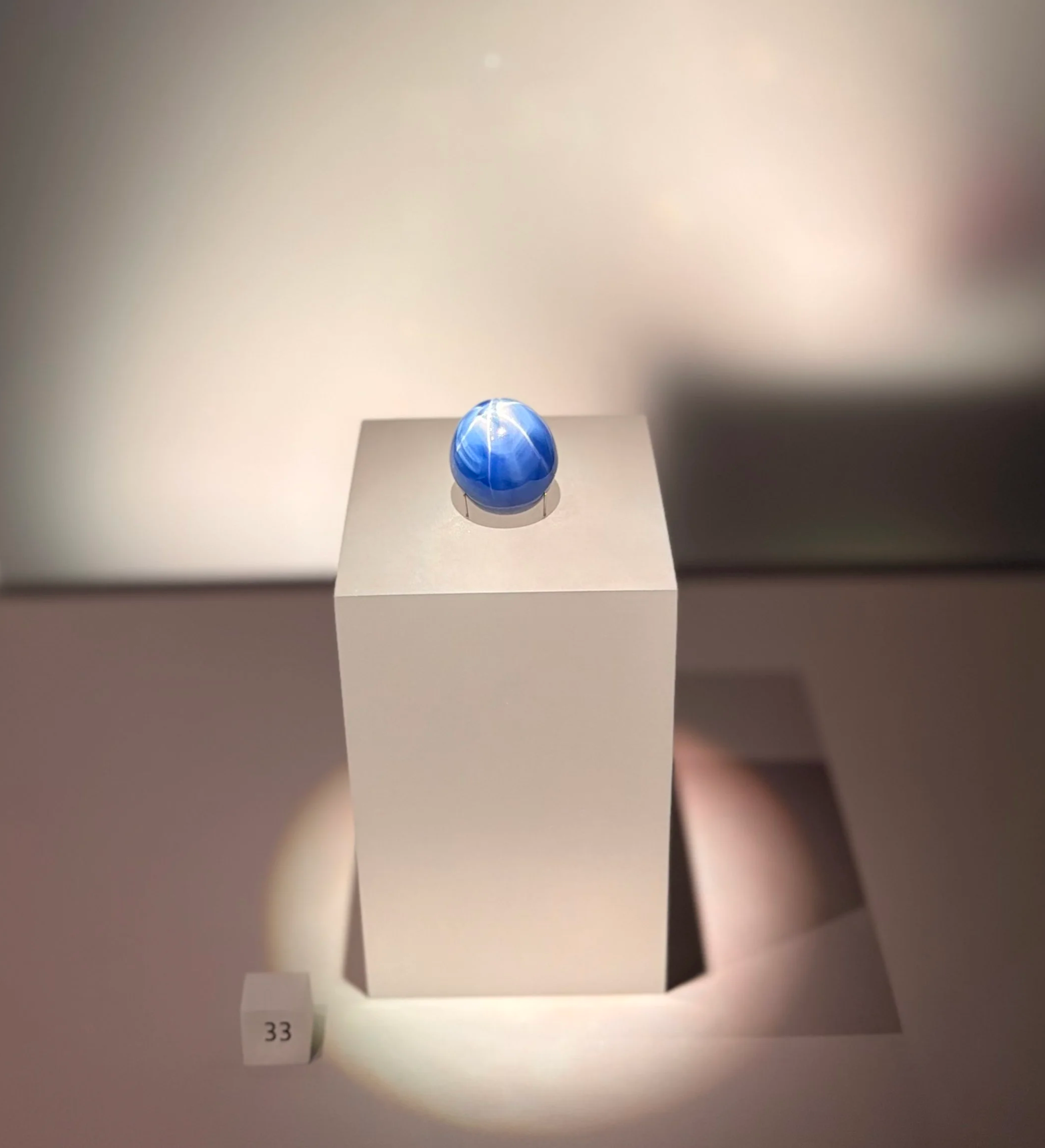
4. Rotunda & Mosaic Ceiling
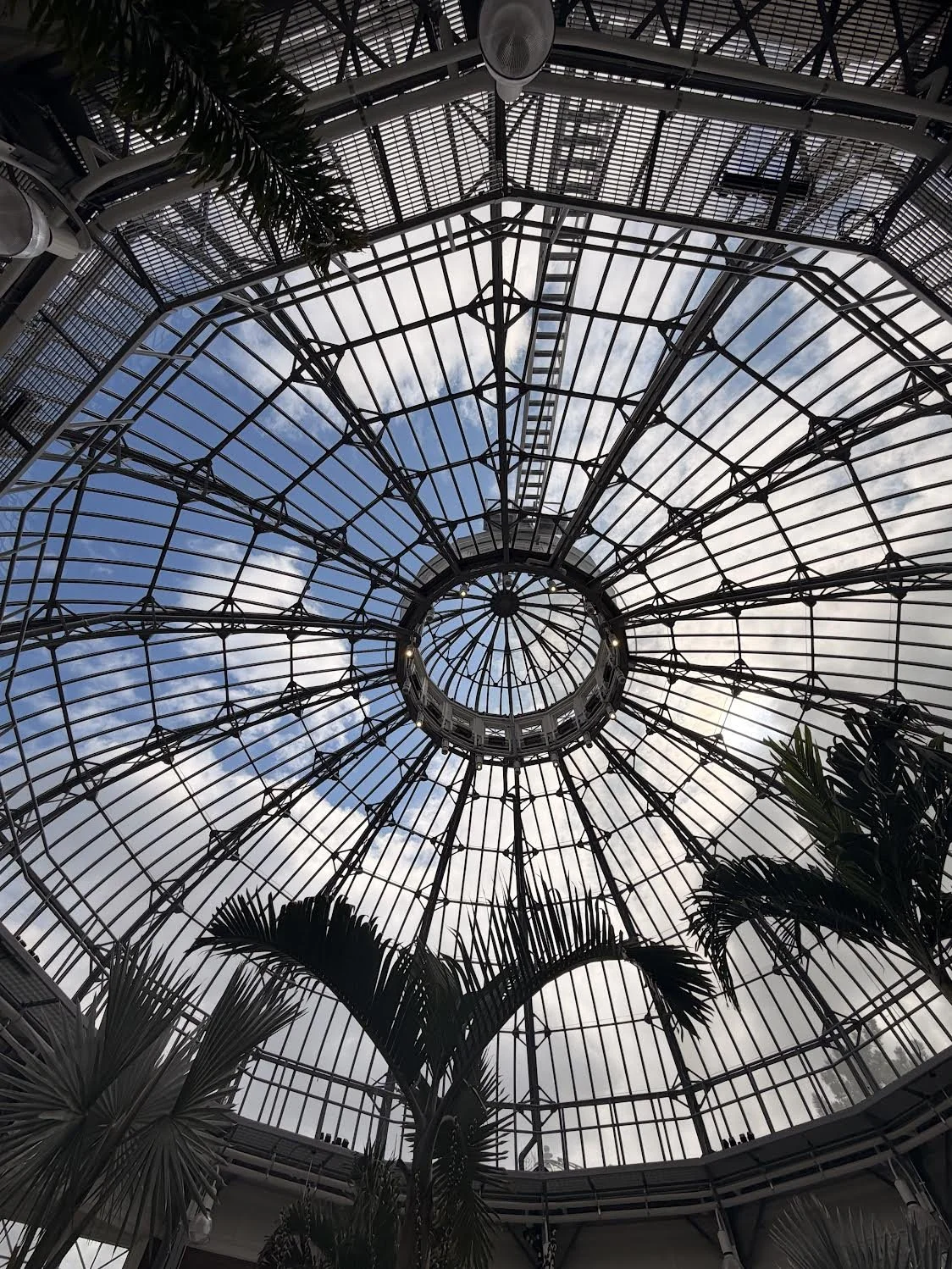
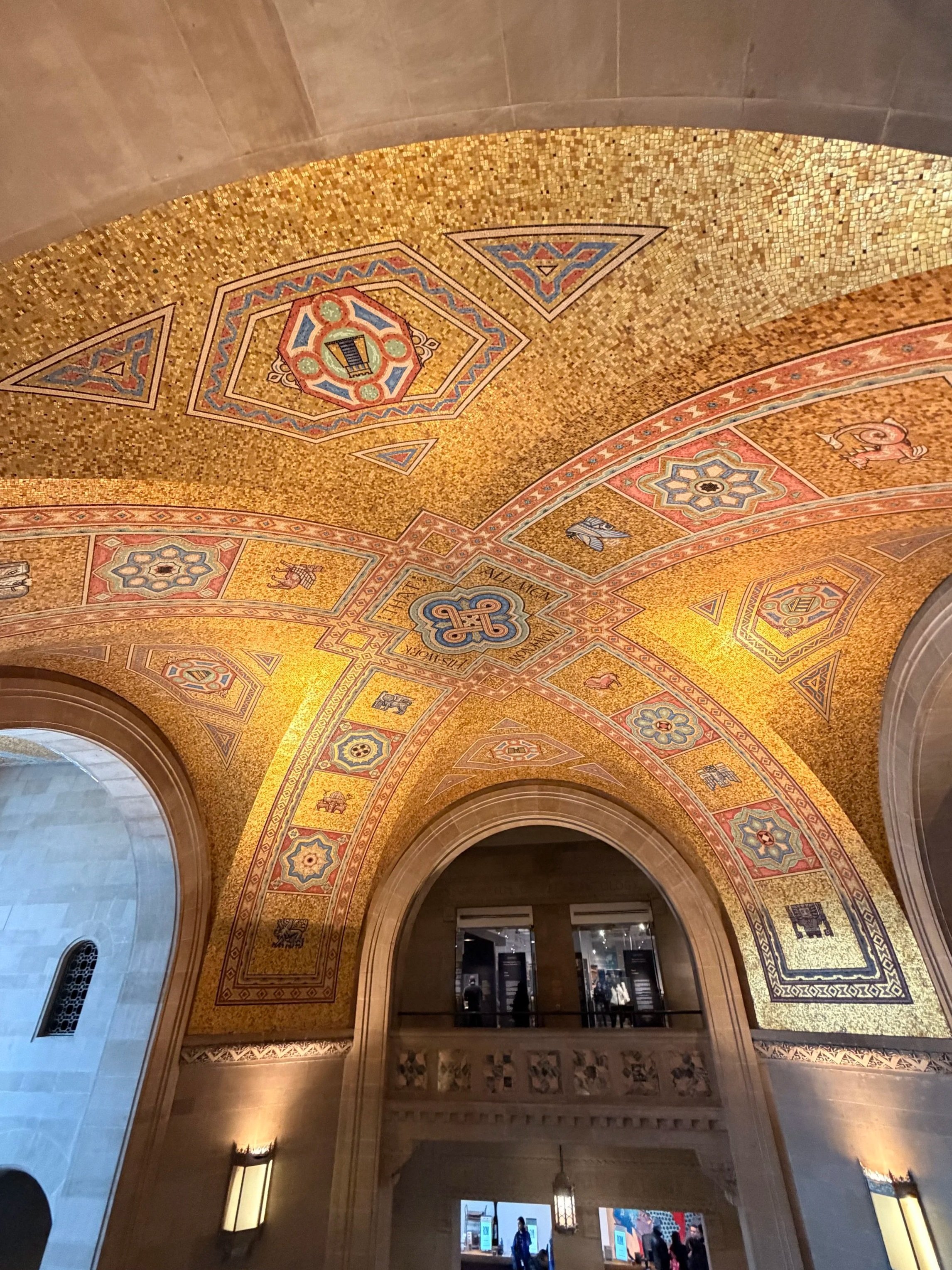
Don’t rush past the Rotunda—it’s one of the most beautiful spaces in the museum. The intricate mosaic dome, made from over a million tiny pieces of glass, reflects global cultural motifs and is a masterpiece in its own right.
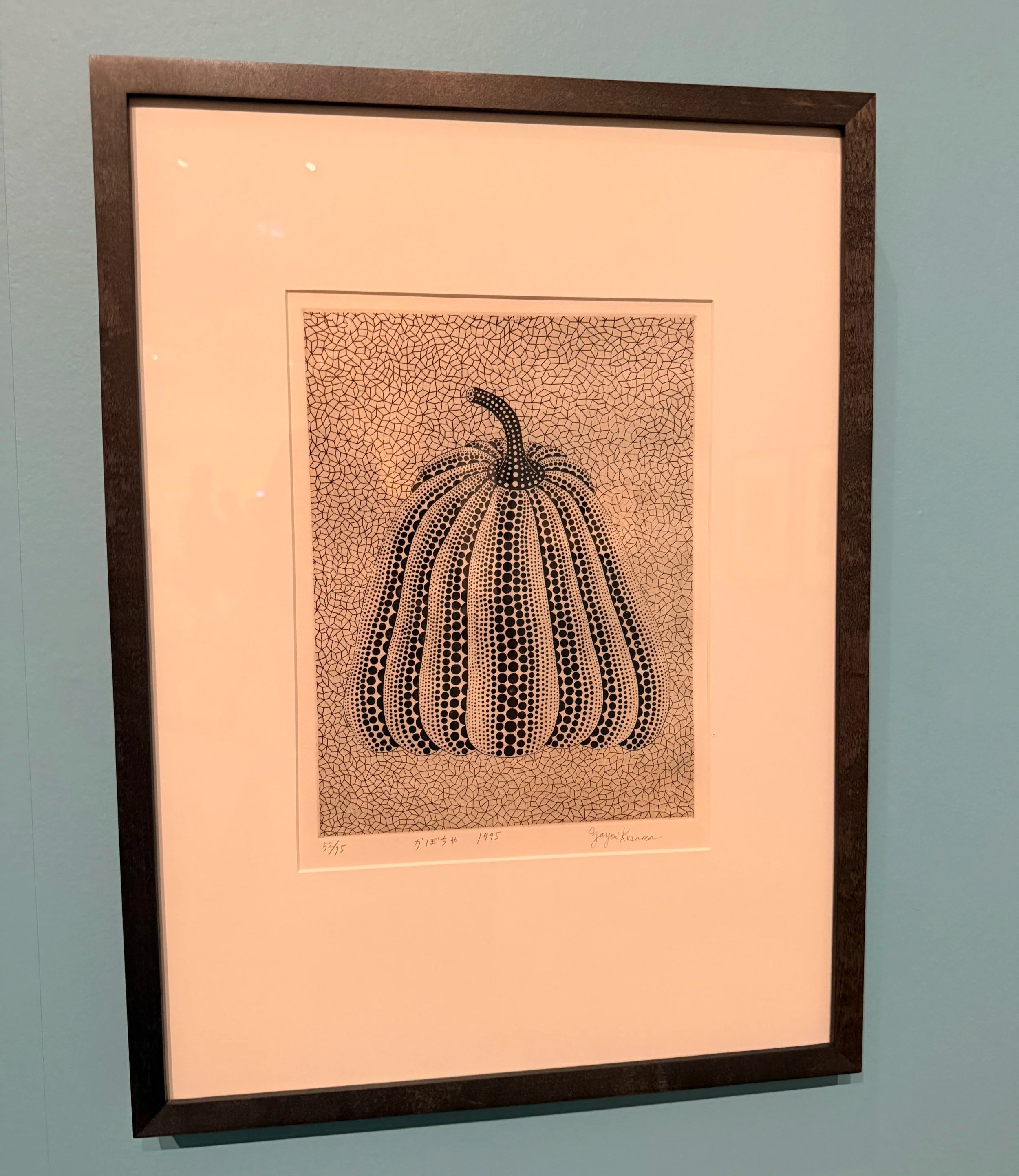
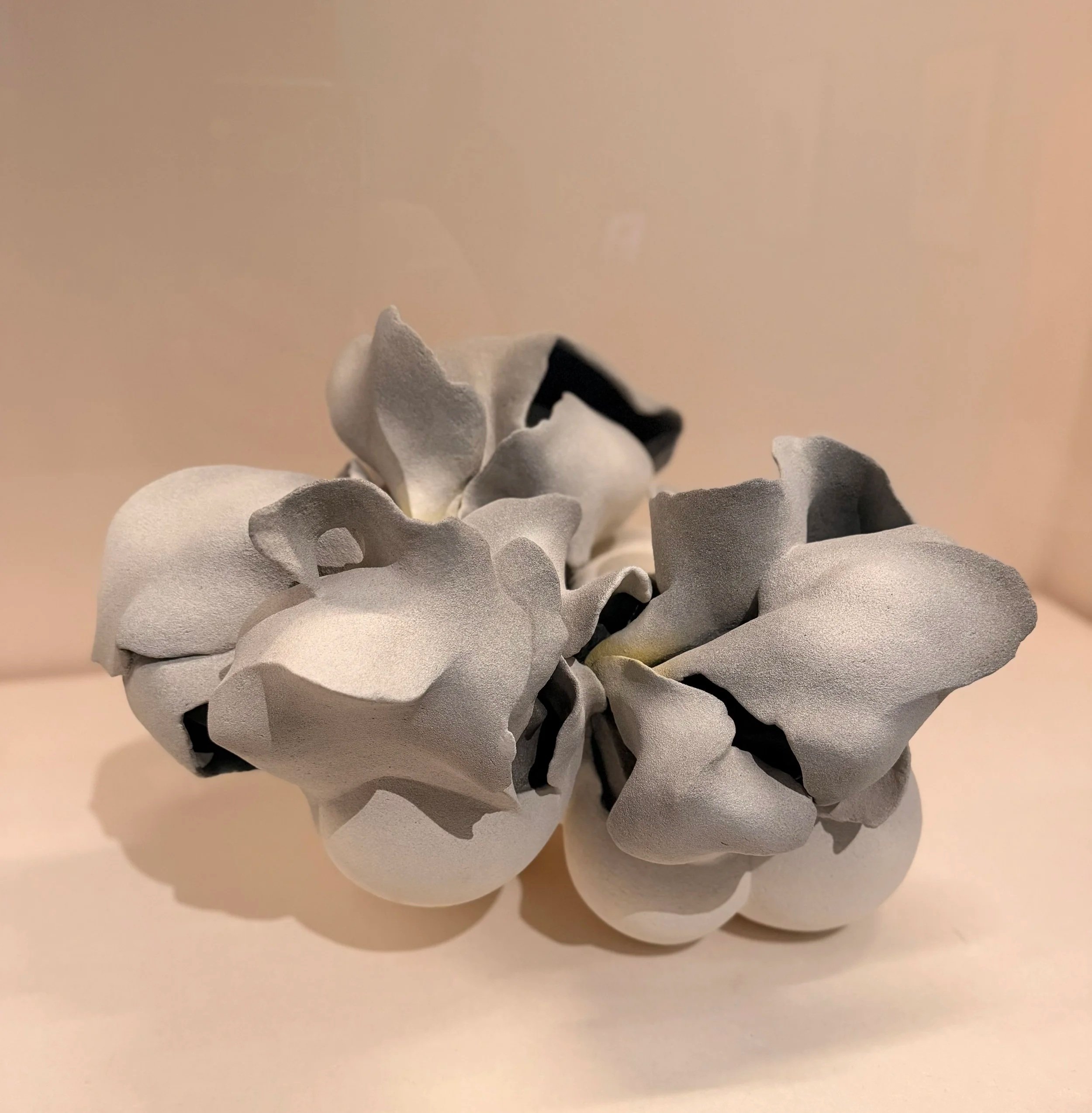
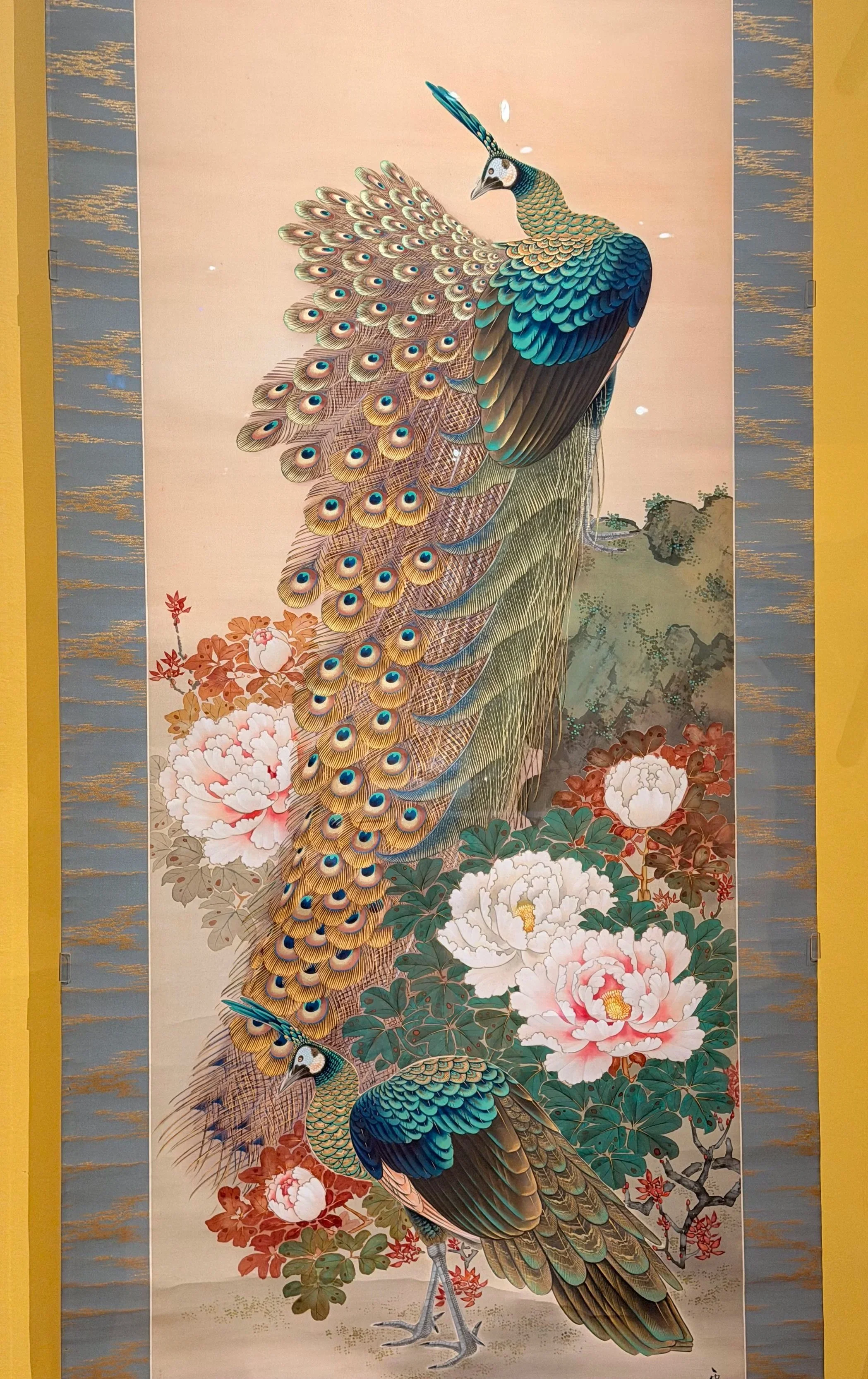
5. Temporary Exhibitions: Shokkan: Material Encounters in Japanese Art
At the Royal Ontario Museum spring 2026 this exhibit explores how touch shapes the experience of Japanese art. Featuring over 80 objects, the exhibition highlights shokkan—a sensory blend of texture, memory, and perception—inviting visitors to engage with art beyond sight alone.
Architectural Highlights
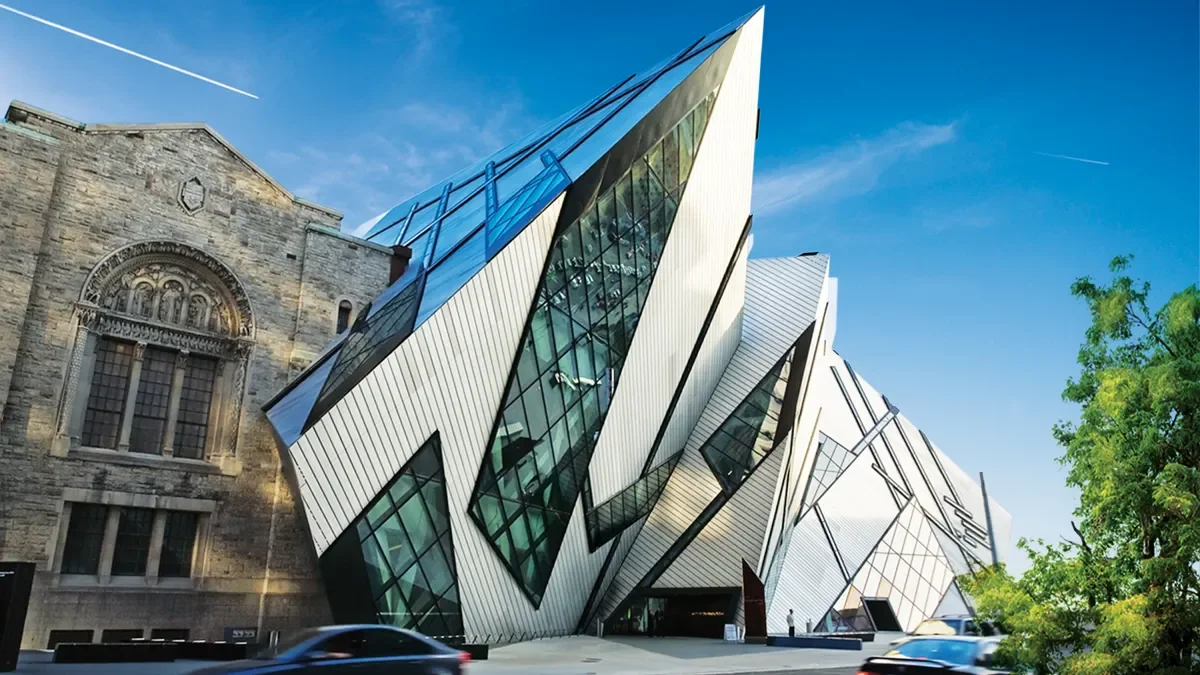
Even before you step inside, the ROM is visually striking. The original building features classic early 20th-century architecture, while the crystal-like extension appears to jut out dramatically into the streetscape.
This architectural contrast has sparked debate over the years—but whether you love it or not, it’s undeniably memorable and has become a defining feature of Toronto’s skyline.
Practical Tips for Visiting
To make the most of your visit, a little planning goes a long way. Here are some insider tips:
1. Go Early (or Late)
The ROM can get busy, especially on weekends and holidays. Arriving right when it opens—or visiting later in the afternoon—can help you avoid peak crowds.
2. Take Advantage of Free Nights
The museum offers free admission on the third Tuesday evening of each month, making it an excellent option for budget-conscious travelers.
3. Prioritize Your Must-Sees
With dozens of galleries, it’s easy to feel overwhelmed. Choose 3–5 key areas you want to explore and build your visit around them.
4. Wear Comfortable Shoes
You’ll be doing a lot of walking—this is not a quick stop. Plan for at least 2–4 hours to explore comfortably.
5. Use the Map
Pick up a map at the entrance or download one in advance. The layout—especially in the Crystal—can feel maze-like.
6. Visit Midweek if Possible
Weekdays tend to be quieter, making for a more relaxed experience.
7. Check for Special Exhibits
Some exhibitions require separate tickets, so it’s worth checking ahead if there’s something specific you want to see.
Food, Coffee & Breaks
Exploring the ROM can be surprisingly tiring, so plan for a break. The museum has cafés on-site, but the surrounding area offers even better options—especially if you want to turn your visit into a full day out.
Exploring the Neighborhood: Yorkville & Bloor Street
The ROM is located along Bloor Street West, right on the edge of two of Toronto’s most vibrant areas: Yorkville and the University of Toronto campus.
Yorkville: Upscale & Stylish
Just steps away from the museum, Yorkville is known for its luxury boutiques, art galleries, and chic cafés. It’s a great place to:
Grab a post-museum brunch or coffee
Window shop high-end brands
Enjoy a relaxed, European-style stroll
The vibe is polished but welcoming, making it ideal for a leisurely afternoon.
University of Toronto & Philosopher’s Walk
On the other side of the museum, you’ll find the historic University of Toronto campus. One of the highlights here is Philosopher’s Walk, a peaceful pedestrian path lined with trees and historic buildings.
It’s the perfect contrast to the energy of Bloor Street—a quiet place to reflect after a museum visit.
Cultural Corridor
The ROM is also part of a larger cultural hub. Within walking distance, you’ll find other major institutions like:
The Bata Shoe Museum
The Gardiner Museum
This makes it easy to turn your visit into a full day of art, culture, and exploration.
How to Get There
The ROM is incredibly accessible:
Subway: Take Line 1 to Museum Station (literally steps away)
Walking: Easily reachable from downtown Toronto
Driving: Parking is available nearby, though public transit is recommended
Its central location makes it one of the easiest attractions to incorporate into any Toronto itinerary.
Who Should Visit?
The beauty of the ROM is its broad appeal. It’s ideal for:
Families (interactive exhibits and dinosaurs are a hit)
Couples (a cultural and visually engaging date idea)
Solo travelers (easy to explore at your own pace)
Academics and curious minds (deep, research-backed collections)
Whether you’re interested in science, history, art, or architecture, there’s something here for you.
Final Thoughts
A visit to the Royal Ontario Museum is more than just a museum stop—it’s an immersive journey through time and across cultures. From ancient civilizations to modern biodiversity challenges, the ROM offers a powerful reminder of both where we come from and where we’re going.
Pair that with its unbeatable location—surrounded by the elegance of Yorkville and the intellectual charm of the University of Toronto—and you have one of the most rewarding cultural experiences in the city.
If you’re planning a trip to Toronto, the ROM isn’t just worth visiting—it’s essential.