Sunday Sips: Veuve Clicquot Yellow Label
Sunday Sips: Veuve Clicquot Yellow Label — A Toast to New Chapters
There is something deeply symbolic about opening a bottle of Champagne to mark a new beginning. The gentle pop of the cork, the cascade of fine bubbles rising in the glass, and that first crisp sip all feel like a celebration of possibility. This week’s Sunday Sips is especially meaningful for us because we’re raising a glass to a new chapter in our lives: moving into a new home in the same beloved town we’ve grown to love.
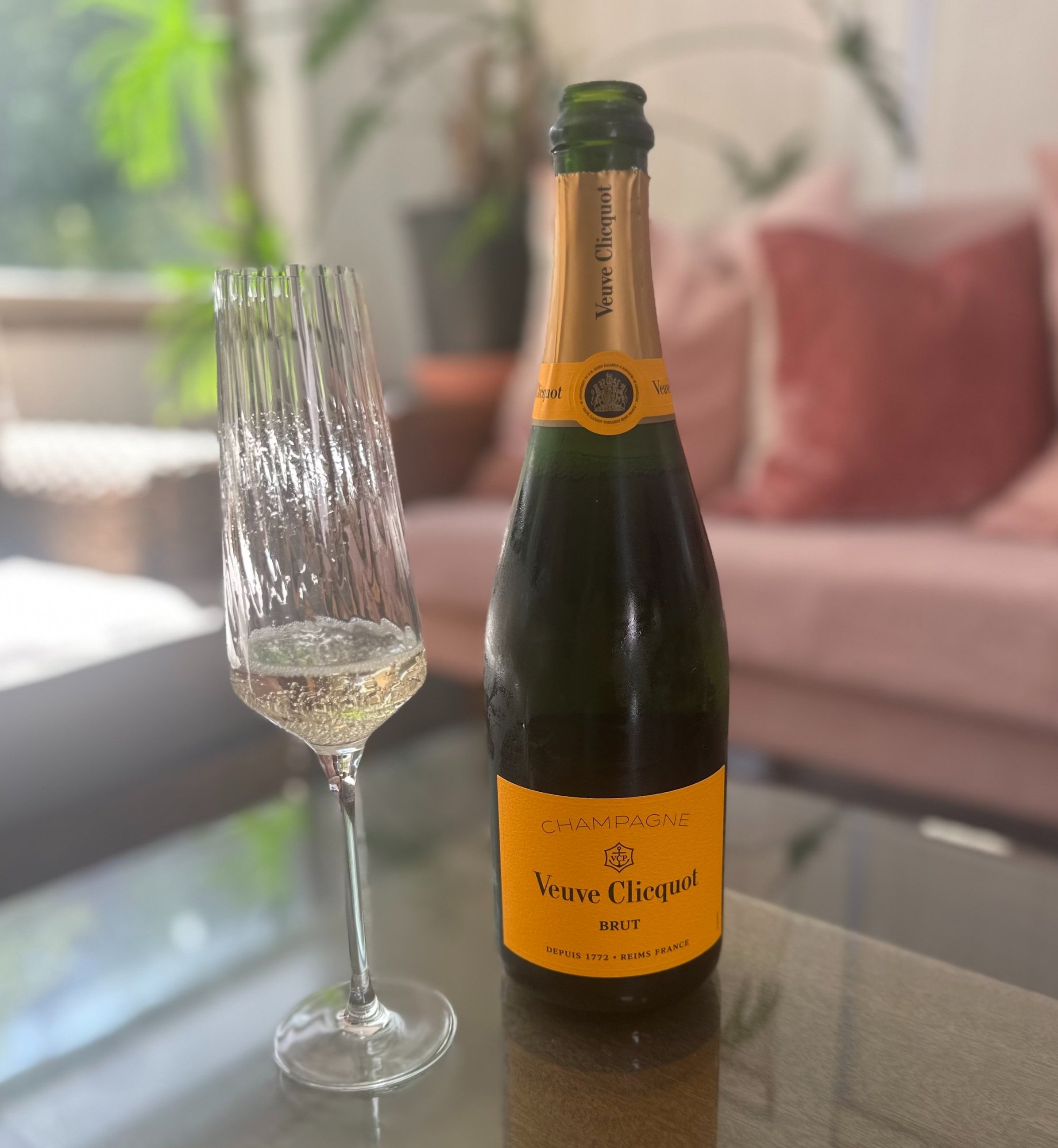
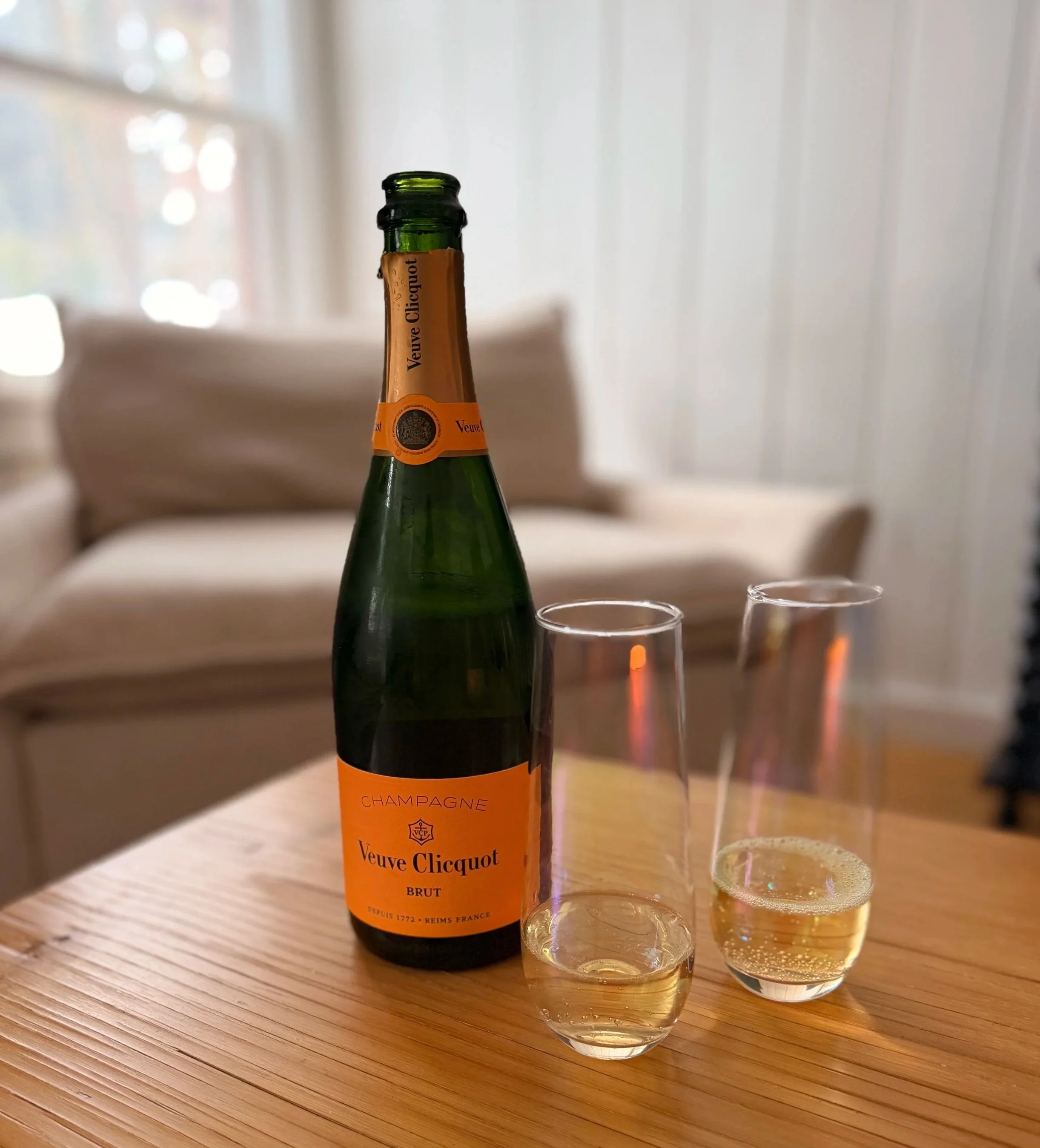
Whenever we start something new—a new home, a new adventure, or a milestone worth savoring—we always begin with a bubbly toast. Champagne has a way of transforming an ordinary moment into a memory, and for this celebration we reached for a bottle that holds a special place in our hearts: Veuve Clicquot Yellow Label Brut.
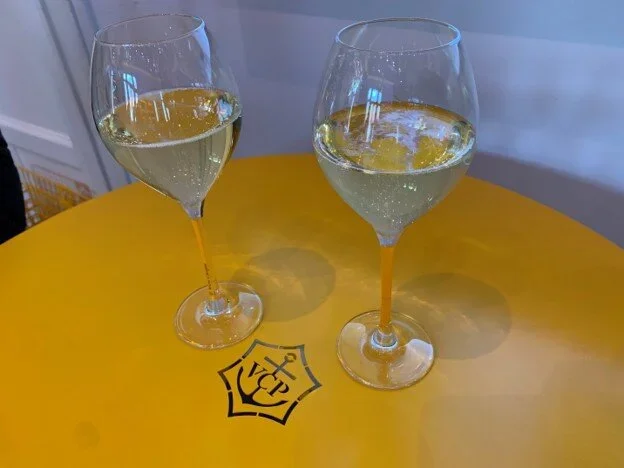
This iconic Champagne is more than just a classic bottle; it’s tied to some of our most treasured travel memories. During our honeymoon in the Champagne region of Champagne, visiting the historic house of Veuve Clicquot was one of the highlights of the trip. Walking through the chalk cellars carved deep beneath Reims, tasting the wines where they are born, and learning about the history of the house gave us a deeper appreciation for every bottle we open today.
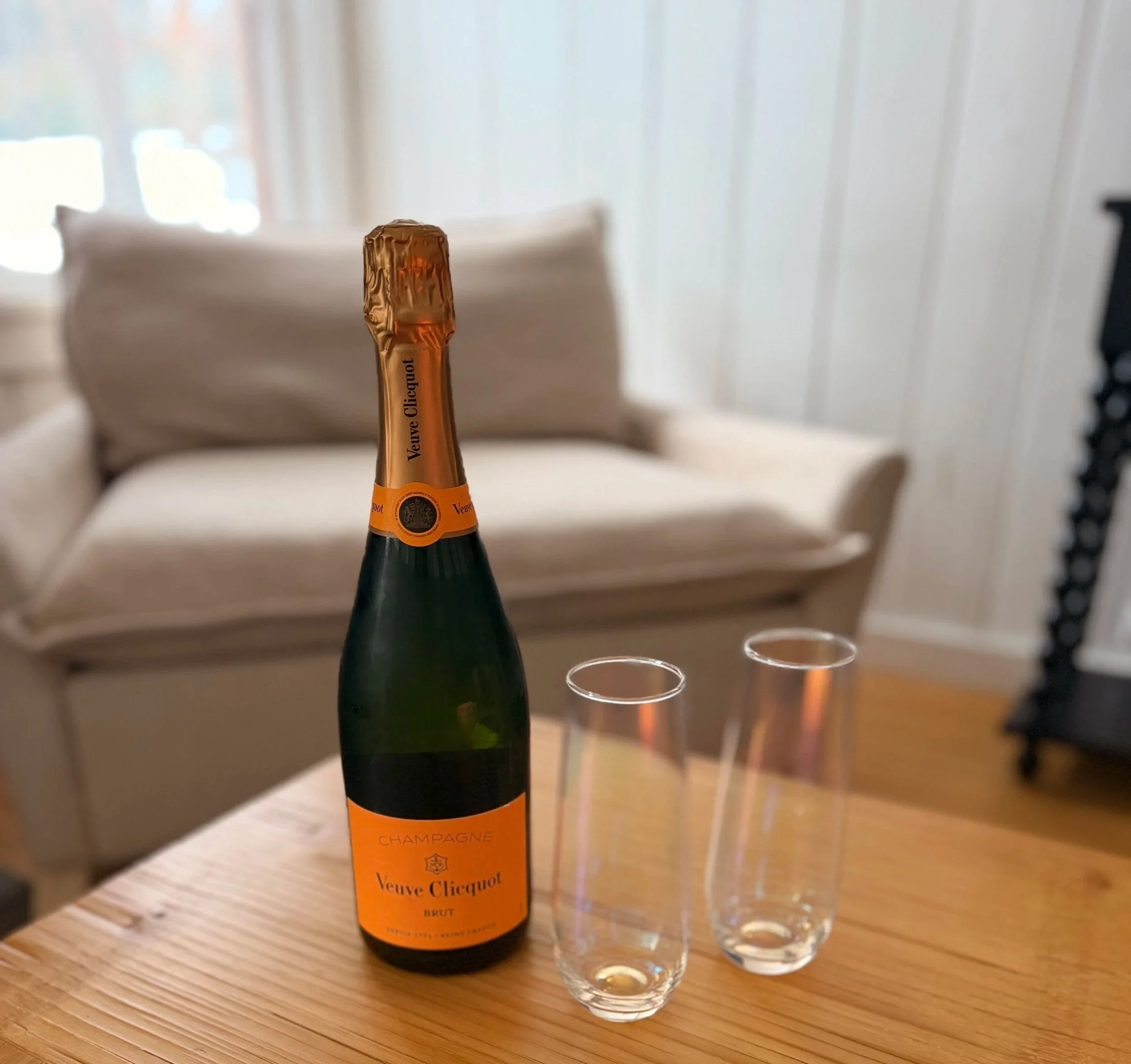
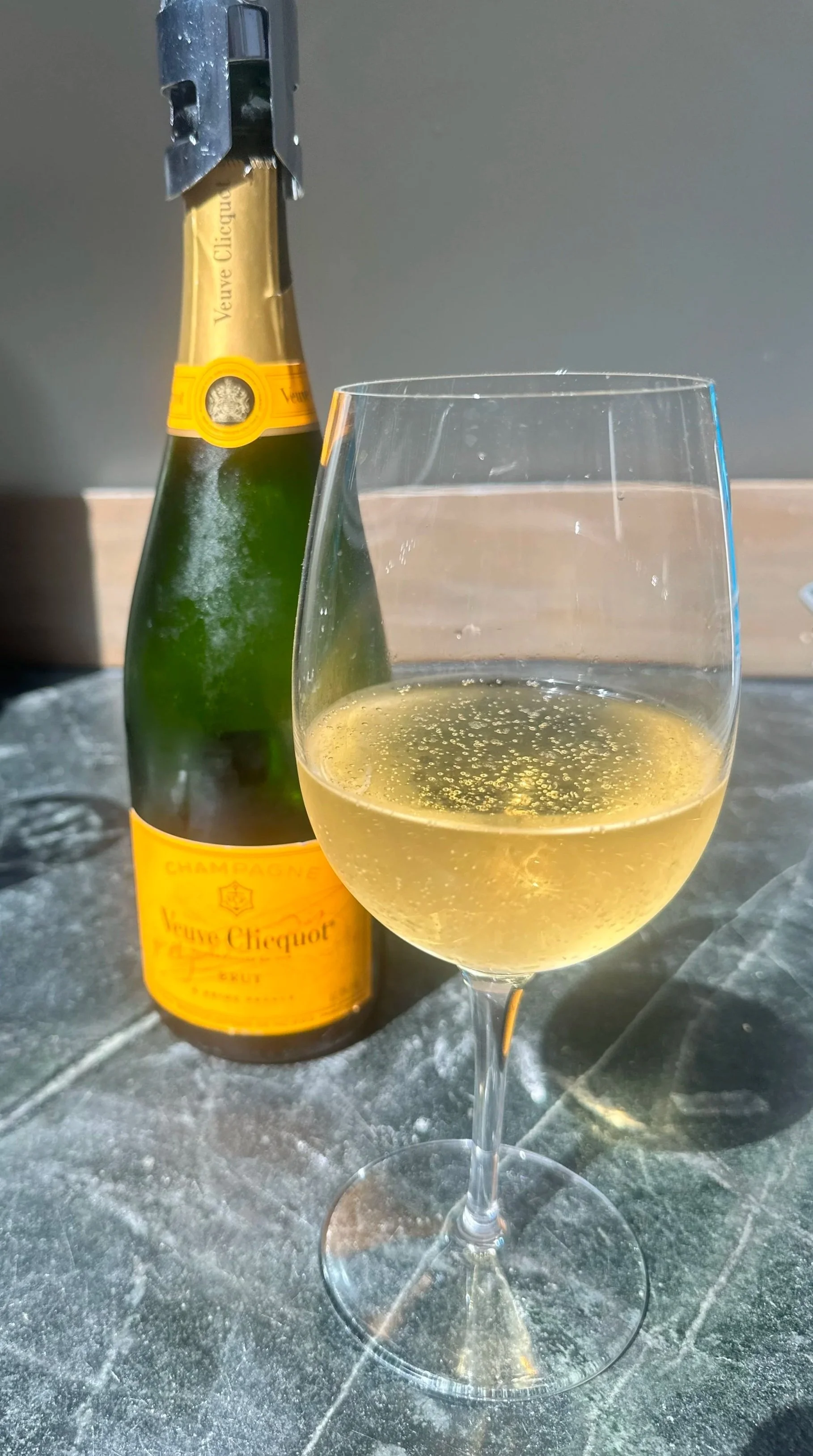
So this Sunday, surrounded by unpacked boxes and the quiet excitement of settling into our new home, we poured two glasses of Yellow Label and toasted to new beginnings.
The Legacy of Veuve Clicquot
Few Champagne houses are as recognizable as Veuve Clicquot. Founded in 1772, the house became legendary under the leadership of Barbe-Nicole Ponsardin, widely known as Madame Clicquot. Widowed at just 27 years old, she took control of the Champagne house in the early 19th century and transformed it into one of the most influential producers in the region.
Madame Clicquot is credited with several innovations that helped shape modern Champagne production. Most famously, she developed the riddling table (the remuage process), which clarified Champagne and allowed for the brilliant, sparkling wine we know today.
Her pioneering spirit earned her the nickname “La Grande Dame of Champagne.” Today, the house remains synonymous with consistency, quality, and celebratory elegance.
And of course, it’s instantly recognizable by its iconic bright yellow label.
What Makes Yellow Label Special
The flagship bottling, Veuve Clicquot Yellow Label Brut, is known for its balanced structure and approachable style. It is crafted from a blend of the three classic Champagne grapes:
Pinot Noir (dominant, adding structure and depth)
Chardonnay (bringing freshness and elegance)
Pinot Meunier (contributing fruitiness and roundness)
The high percentage of Pinot Noir is what gives Yellow Label its signature character. It tends to be fuller-bodied than many other non-vintage Champagnes, making it versatile both for sipping and pairing with food.
The wine also includes reserve wines from previous vintages—sometimes up to 40 percent—which ensures consistency year after year.
Tasting Notes
In the glass, Yellow Label presents a beautiful golden hue with lively, persistent bubbles.
Aromas
Green apple
Pear
Lemon zest
Brioche
Toasted almond
Palate
Crisp citrus
Ripe orchard fruit
Subtle vanilla
Light pastry notes
Clean, dry finish
The result is a Champagne that feels both bright and structured—lively enough for an aperitif but substantial enough to pair with a wide range of dishes.
A Personal Champagne Memory
Traveling through the villages of the Champagne region is an unforgettable experience for anyone who loves wine. Rolling vineyards stretch across the countryside, punctuated by small villages and historic houses that have been producing Champagne for centuries.
Visiting Veuve Clicquot during our honeymoon was especially memorable. Descending into the ancient chalk cellars—known as crayères—felt like stepping into history. These underground tunnels extend for miles beneath Reims, maintaining the perfect cool temperature for aging Champagne.
The tasting made everything come full circle. After learning about the craft, the grapes, and the centuries of tradition, every sip carried deeper meaning.
That experience permanently connected this Champagne to a joyful moment in our lives.
So when we opened a bottle this Sunday to celebrate moving into our new home, it felt like bringing a piece of that honeymoon memory with us.
Is Veuve Clicquot Vegan?
Many people are surprised to learn that not all wine or Champagne is vegan. Some producers use fining agents derived from animal products—such as egg whites, gelatin, or fish bladder (isinglass)—to clarify the wine.
Fortunately, many Champagne houses, including Veuve Clicquot, typically use processes that make their wines suitable for vegan drinkers, though practices can vary by batch.
In general, Champagne that has been clarified through filtration rather than animal-derived fining agents can be considered vegan-friendly.
For those following a plant-based lifestyle, this means you can enjoy Yellow Label with confidence alongside your favorite vegan dishes.
Vegan Pairings for Veuve Clicquot Yellow Label
One of the joys of Champagne is its remarkable versatility with food. The bright acidity and effervescence cut through richness, refresh the palate, and elevate flavors.
If you’re enjoying Veuve Clicquot Yellow Label, here are some exceptional vegan pairings that complement its crisp, citrusy profile.
Avocado and Citrus Salad
A vibrant salad with avocado slices, orange segments, microgreens, and toasted nuts is a beautiful match for Champagne. The creamy avocado contrasts with the wine’s acidity, while citrus notes mirror the bright flavors in the glass.
Drizzle with olive oil, a splash of fresh lemon juice, and flaky sea salt.
Crispy Tempeh “Bacon” Toast
Smoky plant-based tempeh bacon on toasted sourdough with smashed avocado makes an excellent savory pairing. The saltiness and umami flavors balance the wine’s fruit and minerality.
Top with:
sliced tomatoes
microgreens
cracked black pepper
The texture contrast between crispy toast and lively bubbles is especially satisfying.
Roasted Vegetable Tart
A flaky vegan tart filled with caramelized onions, roasted zucchini, cherry tomatoes, and herbs pairs beautifully with the structure of Yellow Label.
Champagne’s acidity cuts through the richness of roasted vegetables while enhancing their natural sweetness.
Lemon and Herb Pasta
A light pasta dish dressed with olive oil, garlic, lemon zest, and fresh herbs echoes the citrus notes of the Champagne.
Add:
sautéed asparagus
peas
toasted pine nuts
This combination feels elegant but easy—perfect for a relaxed Sunday dinner.
Fresh Fruit and Dark Chocolate
For dessert, keep things simple and celebratory.
Serve Champagne alongside:
strawberries
raspberries
orange slices
squares of dark chocolate
The bright fruit highlights the wine’s acidity, while the chocolate brings depth and indulgence.
Why Champagne Is the Perfect Moving-Day Drink
Moving into a new home often involves equal parts excitement and exhaustion. There are boxes everywhere, furniture still waiting to be arranged, and the quiet sense that a fresh chapter has begun.
That’s exactly why Champagne feels so appropriate.
Unlike heavier wines that demand a full meal, Champagne works effortlessly in transitional moments—before dinner, after a long day, or while standing around the kitchen island surrounded by moving boxes.
The bubbles feel festive even when life is still in progress.
And perhaps that’s the beauty of it: Champagne reminds us to celebrate before everything is perfectly settled.
Serving Tips for Veuve Clicquot
To enjoy Veuve Clicquot Yellow Label at its best, a few simple serving tips make all the difference.
Temperature
Serve between 45–50°F (7–10°C). Too cold and the flavors are muted; too warm and the bubbles feel aggressive.
Glassware
While traditional flutes preserve bubbles, many sommeliers prefer a white wine glass for Champagne. The wider bowl allows aromas to develop more fully.
Opening the Bottle
Instead of a loud pop, aim for a gentle sigh. Hold the cork firmly, twist the bottle (not the cork), and let the pressure release slowly.
It feels a little more elegant—and saves precious bubbles.
The Emotional Side of Champagne
Champagne is unique among wines because it carries emotional weight. We reach for it during celebrations—weddings, anniversaries, birthdays, and milestones.
But sometimes the most meaningful Champagne moments are the quiet ones.
A Sunday evening toast.
A memory from a honeymoon.
A new home waiting to be filled with life.
Opening a bottle of Veuve Clicquot Yellow Label this week reminded us how certain wines become woven into our personal stories.
It wasn’t just about the Champagne itself. It was about what it represents: travel, love, new beginnings, and the simple ritual of raising a glass together.
Final Sip
As we settle into this new home and slowly unpack both boxes and memories, it felt only fitting to start the next chapter the way we always do—with bubbles.
And few bottles feel as timeless as Veuve Clicquot Yellow Label.
Its bright citrus notes, elegant structure, and celebratory spirit make it perfect for life’s milestones—big or small. Paired with fresh vegan dishes or simply enjoyed on its own, it’s a reminder that the best moments are meant to be savored.
So whether you’re celebrating a new home, a special memory, or simply the end of a long week, pour yourself a glass, watch the bubbles rise, and toast to whatever new chapter lies ahead.
Because every new beginning deserves a little sparkle. 🥂