Cloud Gate Chicago: A Visitor's Guide to The Bean
No first trip to Chicago feels complete without seeing Cloud Gate, better known as “The Bean.”
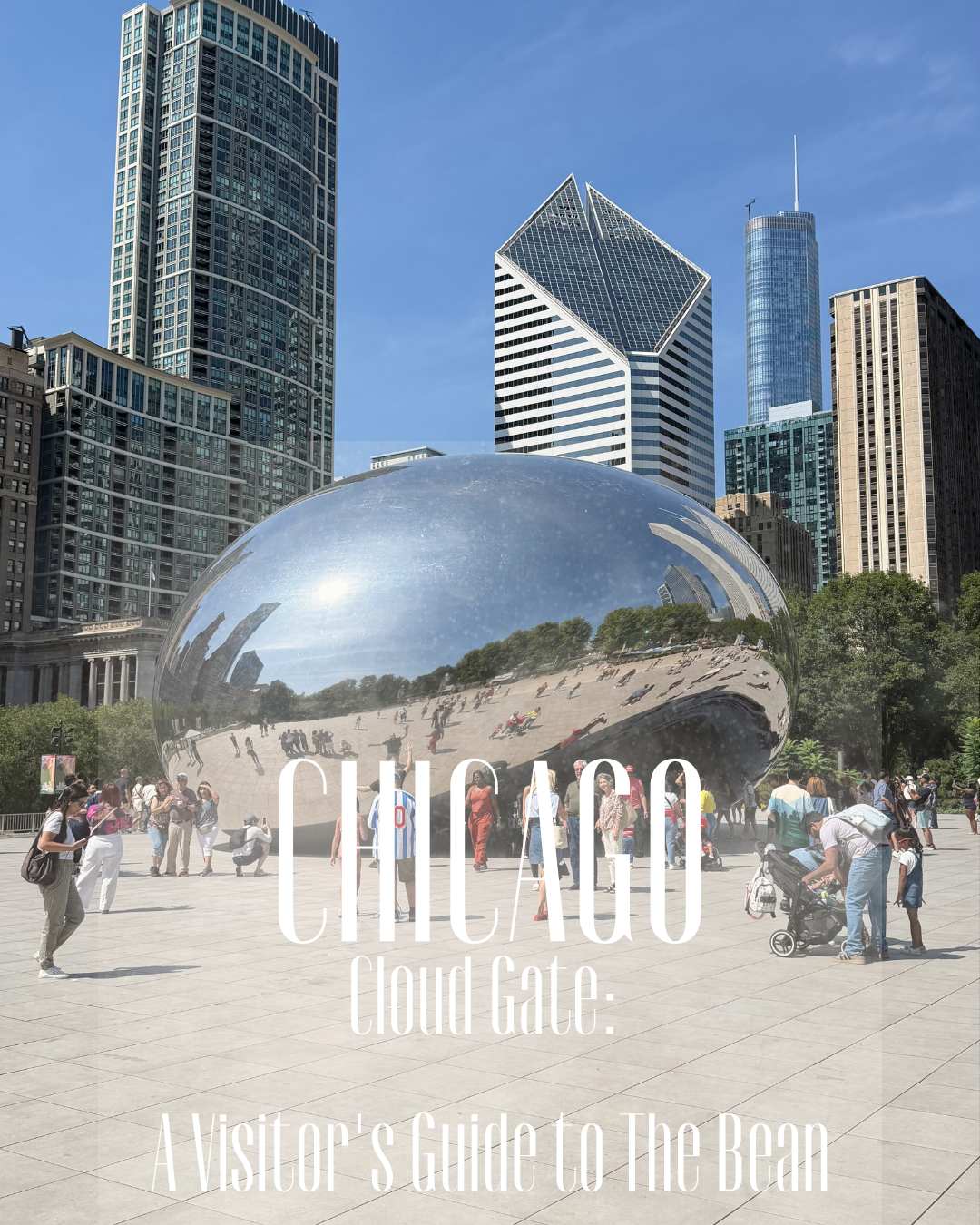
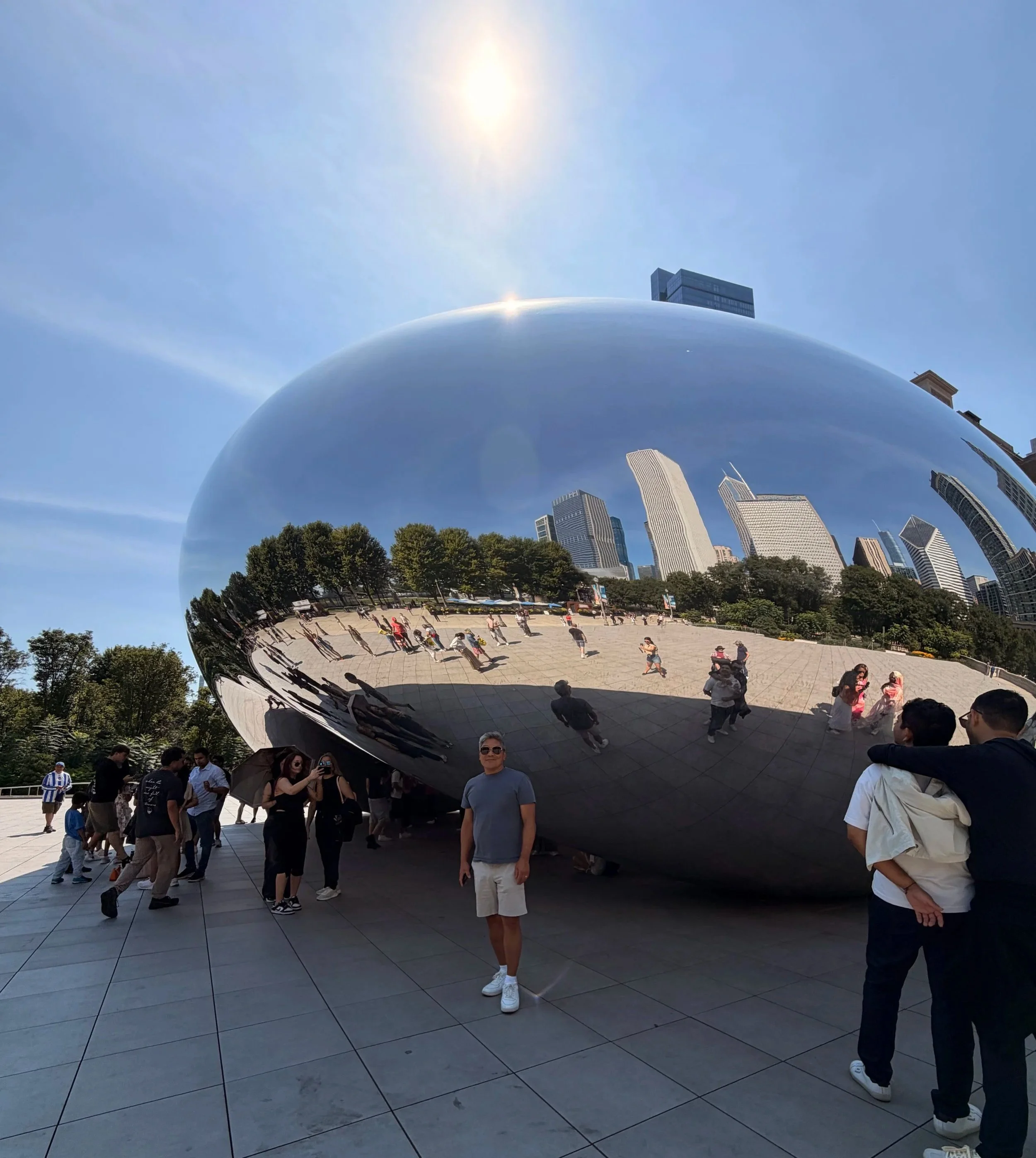
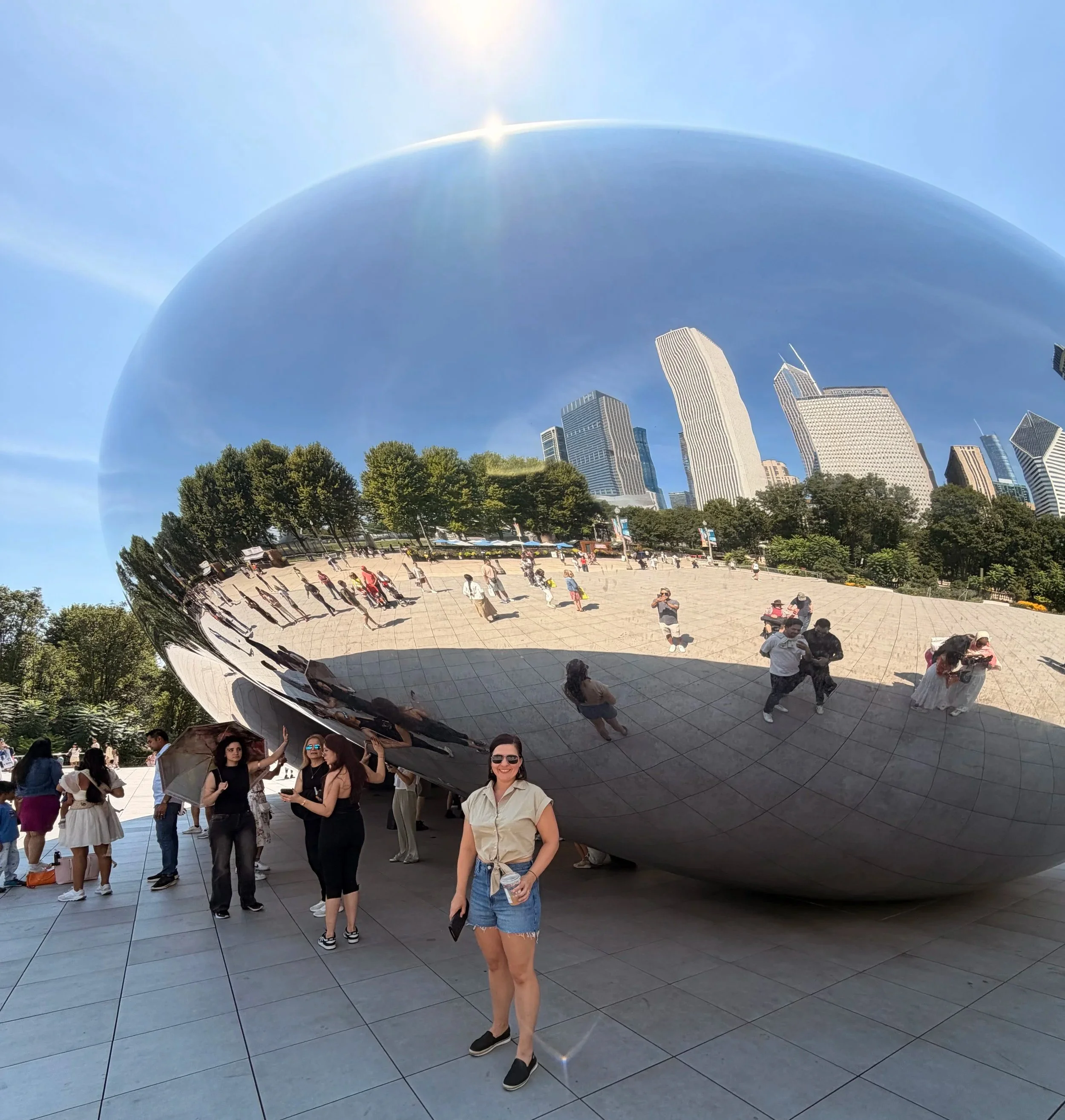
The enormous reflective sculpture has become one of the most recognizable symbols of Chicago, and for good reason. Sitting in the heart of Millennium Park, Cloud Gate reflects the Chicago skyline, the park, and everyone standing around it. It is one of those places that is even more fun in person than it looks in photographs.
During our recent trip to Chicago, we made a point of visiting The Bean again. And even though you've probably seen hundreds of photographs of it, there is something surprisingly entertaining about walking underneath it, watching the reflections change, and trying to get the perfect photograph.
If you're planning a Chicago trip, here's everything you need to know about visiting Cloud Gate.
What Is Cloud Gate?
Cloud Gate is a monumental public sculpture by British-Indian artist Anish Kapoor.
The sculpture was inspired by liquid mercury, which explains its highly polished, mirror-like surface. Rather than simply looking at the sculpture, visitors become part of it. Your reflection, the people around you, the buildings, the sky, and the park all appear distorted across its curved stainless-steel surface.
The sculpture was unveiled in Millennium Park in 2004 and quickly became one of Chicago's most recognizable landmarks.
Its official name is Cloud Gate, but almost everyone calls it The Bean.
And once you see it, it's easy to understand why.
Why Is It Called The Bean?
The nickname came from its shape.
Before the sculpture was completed, people saw early renderings of Kapoor's design and began calling it “The Bean” because of its large, rounded, bean-like form.
The name stuck.
Today, you'll hear both names used interchangeably, but if you're searching for information about visiting it, you'll want to know both Cloud Gate and The Bean.
Where Is The Bean in Chicago?
Cloud Gate is located in Millennium Park in downtown Chicago's Loop, along Michigan Avenue.
The sculpture sits above McCormick Tribune Plaza, between Michigan Avenue and Columbus Drive.
It's incredibly easy to incorporate into a day of sightseeing because so many other Chicago attractions are nearby.
Within the same general area, you can visit:
Crown Fountain
Jay Pritzker Pavilion
Lurie Garden
Chicago Cultural Center
Maggie Daley Park
Chicago Riverwalk
Magnificent Mile
This is one reason I recommend putting Cloud Gate into a larger Millennium Park and downtown Chicago itinerary rather than making a special trip just to see The Bean.
Is Cloud Gate Free?
Yes.
Cloud Gate is free to visit, and there is no ticket or reservation required simply to see the sculpture.
Millennium Park itself is also free and is currently open daily from 6 a.m. to 11 p.m.
That makes The Bean one of the easiest—and most affordable—major attractions to add to a Chicago itinerary.
When Is the Best Time to Visit The Bean?
There isn't one perfect time, but different times of day give you very different experiences.
Early Morning
If you want photographs with fewer people, early morning is your best bet.
You'll have a much easier time getting close to the sculpture and photographing the reflections without dozens of people surrounding you.
Midday
Midday is usually much busier, especially during peak tourist season.
That doesn't necessarily make it a bad time to visit, though. The crowds actually become part of the experience, and the reflections of all those people moving around the sculpture can be pretty fascinating.
Evening
Cloud Gate is particularly beautiful later in the day when the surrounding buildings and sky begin to change color.
The polished surface picks up the lights and architecture around Millennium Park, creating a completely different look.
The Best Part: Seeing Your Reflection
The thing I think people sometimes underestimate about The Bean is how interactive it is.
You don't just stand in front of it and look at a sculpture.
Walk around it.
Get close.
Look at the distorted reflection of the skyline.
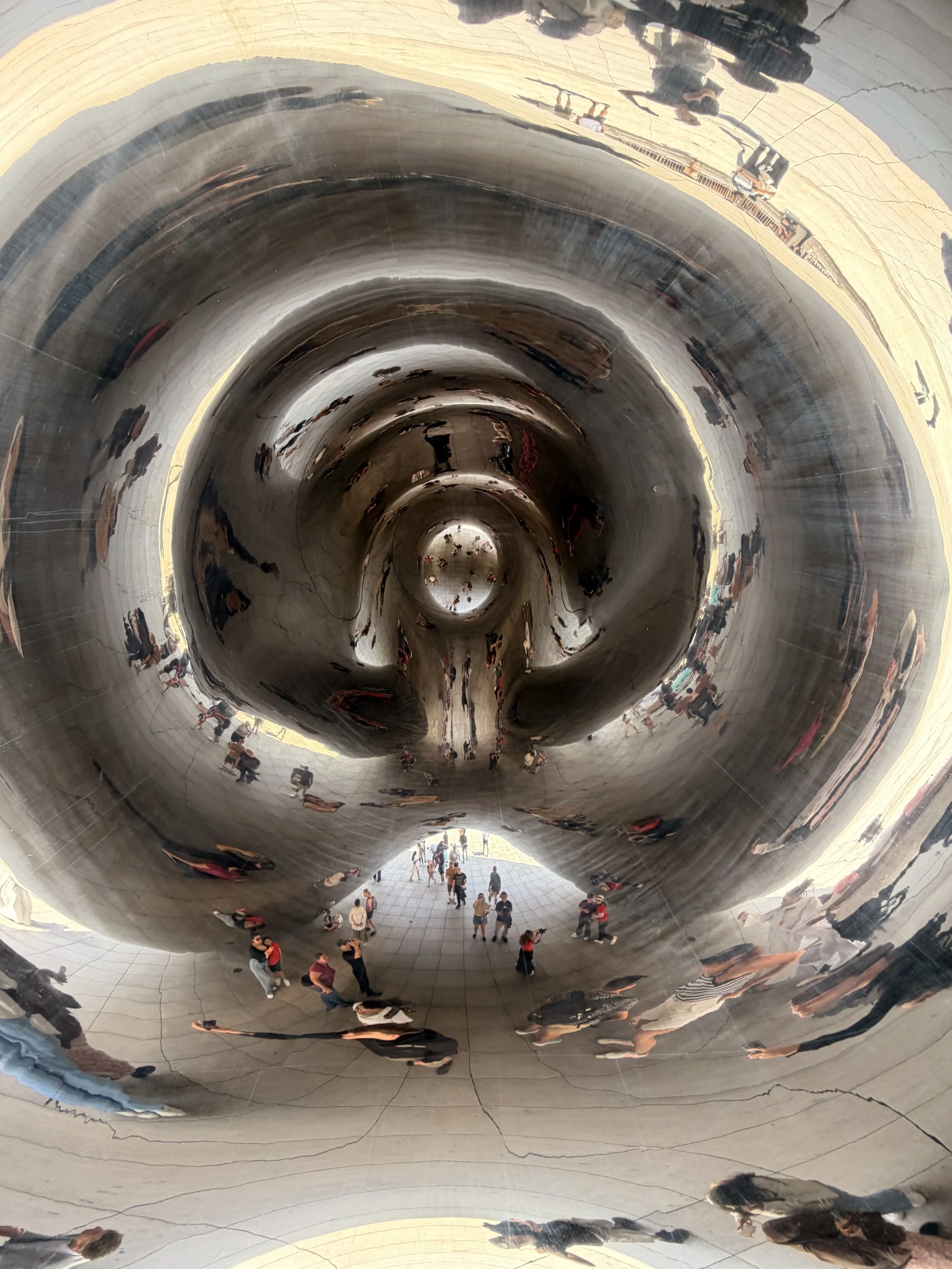
Look underneath it.
Move from one side to the other and watch the reflection change.
The curved underside creates a tunnel-like space that visitors can actually walk beneath, which is part of what inspired the name Cloud Gate.
And, of course, take a selfie.
The Bean is practically designed for it.
How to Get the Best Photos at The Bean
If you're visiting Chicago with your camera or phone, Cloud Gate gives you endless photo opportunities.
Get close
Don't just photograph the entire sculpture from a distance.
Some of the most interesting photographs come from getting close enough to capture the distorted reflections.
Photograph the skyline
Position yourself so that the Chicago skyline appears in the reflection.
This gives you a photograph that is much more distinctly Chicago than a simple portrait in front of the sculpture.
Try the underside
The curved underside creates some of the most unusual perspectives.
Stand underneath Cloud Gate and photograph the people and buildings reflected above you.
Turn the camera around
Some of the best shots aren't of The Bean itself.
Use the reflective surface to photograph the skyline behind you.
Visit more than once
If you're staying in Chicago for several days, don't feel like you need to get your perfect photo on the first visit.
Cloud Gate looks completely different depending on the weather, time of day, season, and number of people around it.
Cloud Gate and Millennium Park
One of the biggest mistakes would be visiting The Bean and immediately leaving Millennium Park.
There's much more to see.
Crown Fountain
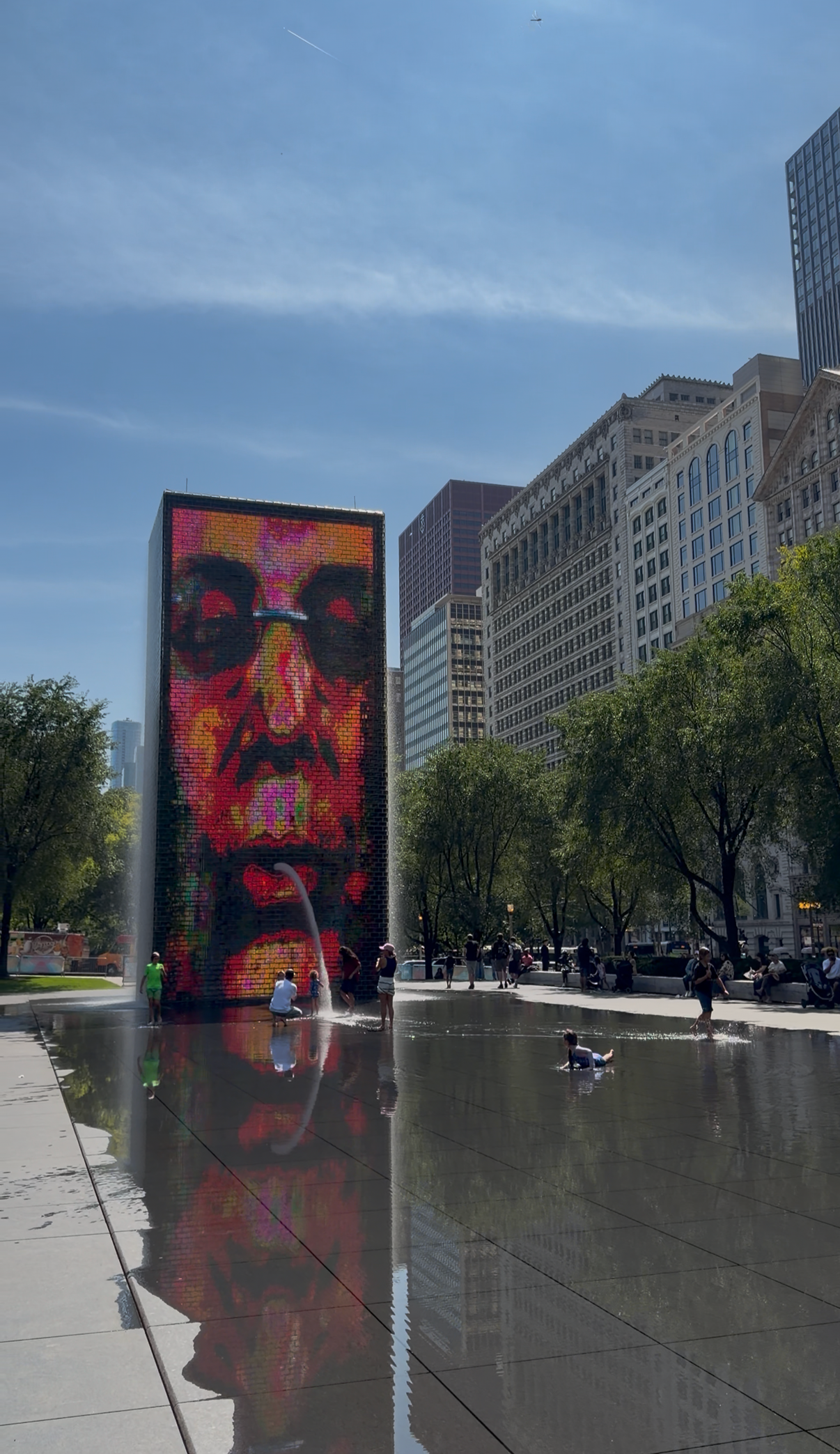
Crown Fountain is one of the most recognizable features of Millennium Park and is particularly fun during warm weather.
The interactive installation features large video displays showing the faces of Chicago residents, along with water elements that turn the area into a popular gathering place.
Jay Pritzker Pavilion
Designed by architect Frank Gehry, the Jay Pritzker Pavilion is the dramatic outdoor concert venue in Millennium Park.
Depending on when you visit Chicago, you may be able to catch a free concert, movie, or other event.
Lurie Garden
If you need a break from downtown crowds, walk over to Lurie Garden.
It's a surprisingly peaceful place surrounded by the city's architecture.
Maggie Daley Park
Cross the BP Pedestrian Bridge and you'll reach Maggie Daley Park, which has playgrounds, climbing areas, skating, and other recreational spaces.
The park is especially fun if you're traveling with children or teenagers.
Millennium Park is designed as an accessible public space, and the park provides accessible entrances and other amenities, including complimentary wheelchairs available on a first-come, first-served basis.
What to Do Near The Bean
Cloud Gate is ideally located for combining several Chicago attractions into one day.
Visit the Art Institute of Chicago
The Art Institute of Chicago is immediately south of Millennium Park and is one of the city's absolute must-visits.
If you love art, I would give yourself several hours here.
We recently visited and spent time with some of the museum's most famous works, along with some of its more contemporary and lesser-known galleries.
You can read our Art Institute of Chicago visitor's guide for our recommendations on what to see.
Take a Chicago Architecture River Cruise
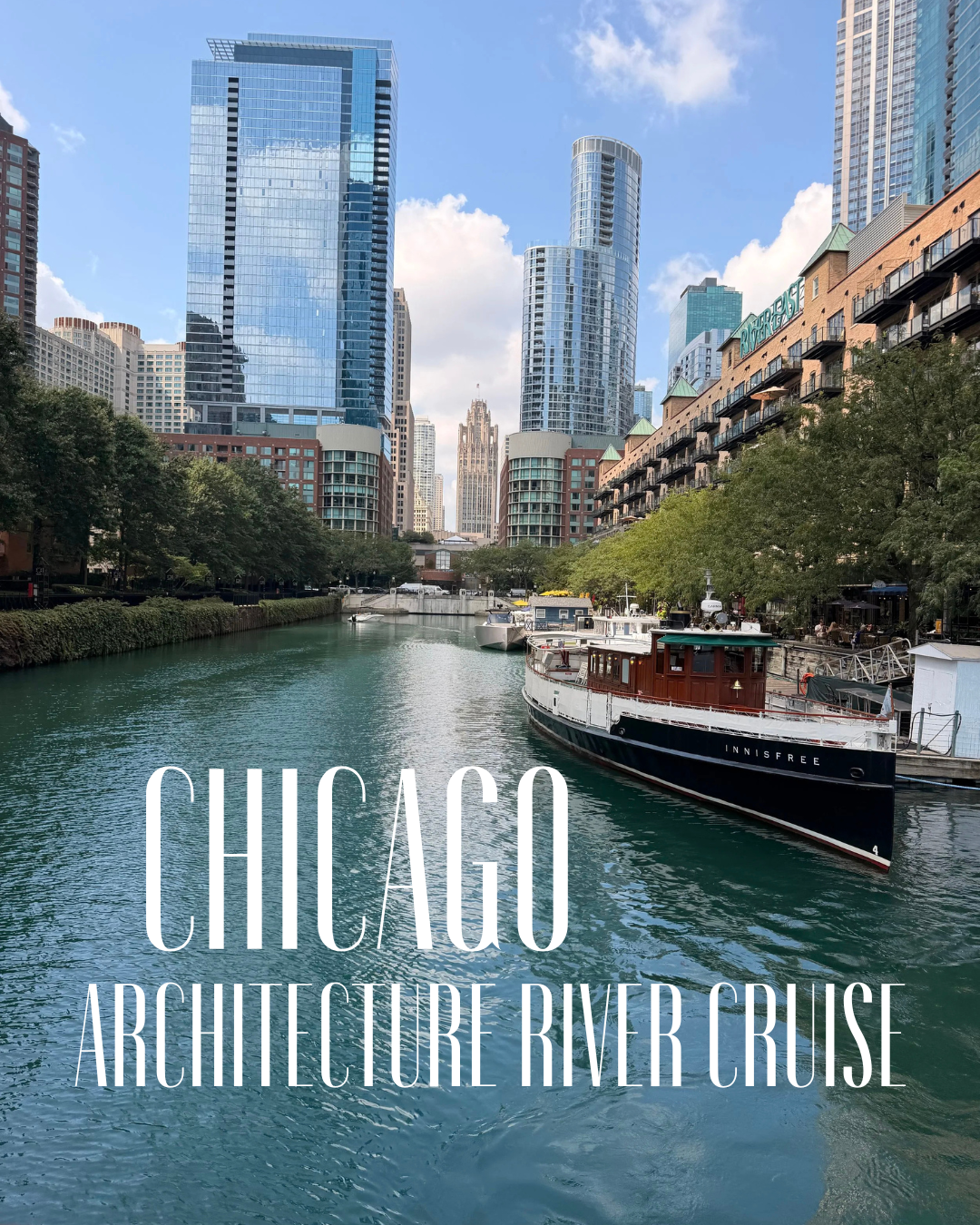
After visiting Millennium Park, head toward the Chicago River and take an architecture cruise.
It's one of my favorite ways to understand Chicago's architecture because you get to see the buildings from an entirely different perspective.
We've included our experience in our Chicago Architecture River Cruise guide.
Visit the Starbucks Reserve Roastery
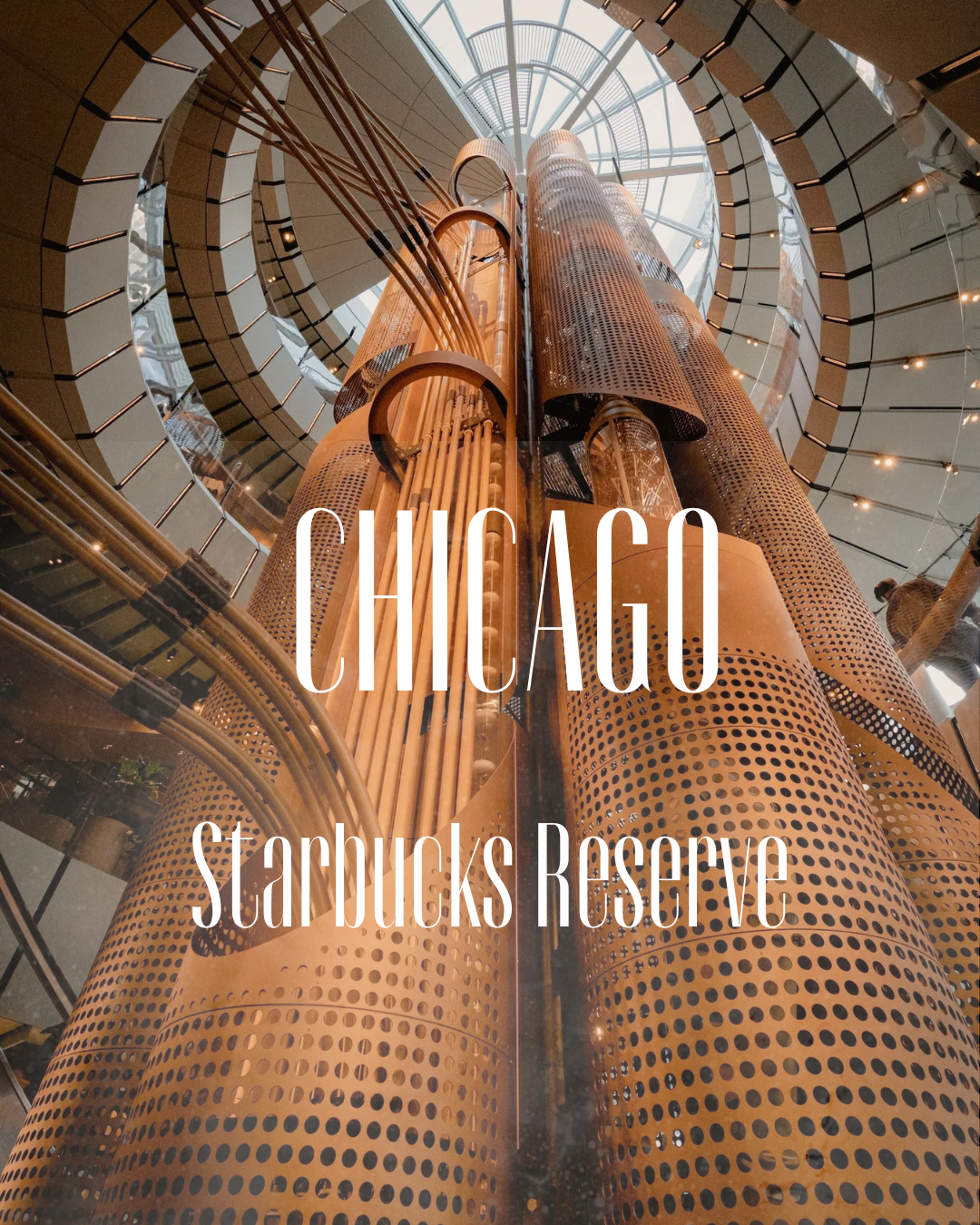
If you need a coffee break, the Starbucks Reserve Roastery on Michigan Avenue is an easy addition to your day.
It's much more than a regular Starbucks, with multiple floors, specialty coffee, food, cocktails, and Chicago souvenirs.
On our most recent visit, we went with my niece, a former Starbucks Black Apron barista, and tried the Whiskey Barrel-Aged Cold Brew.
Explore the Magnificent Mile
Cloud Gate is also within easy reach of the Magnificent Mile, making it simple to combine sightseeing with shopping, restaurants, and coffee stops.
Is The Bean Worth Visiting?
Absolutely.
Could you visit Chicago without seeing Cloud Gate?
Of course.
But if this is your first trip to Chicago, I wouldn't skip it.
The Bean is one of those attractions that has become so photographed and so familiar that you might wonder whether it is actually worth seeing in person.
It is.
The combination of the sculpture, the reflections, the skyline, and the energy of Millennium Park makes it feel different when you're standing underneath it.
And because it's free, accessible, centrally located, and surrounded by so many other attractions, there's really very little reason not to stop by.
Cloud Gate Chicago: Quick Visitor Guide
What: Cloud Gate, also known as The Bean
Artist: Anish Kapoor
Where: Millennium Park, Chicago Loop
Admission: Free
Reservations: Not required
Best for: First-time visitors, photographers, families, art lovers, and anyone looking for an iconic Chicago experience
Best time for fewer crowds: Early morning
Best photo opportunity: Underneath and around the sculpture with the Chicago skyline reflected in its surface
Time needed: About 30 minutes to an hour
Nearby: Art Institute of Chicago, Crown Fountain, Jay Pritzker Pavilion, Lurie Garden, Maggie Daley Park, Chicago Cultural Center, Magnificent Mile
Final Thoughts
Cloud Gate may be one of the most photographed places in Chicago, but there's a reason it has become such an iconic part of the city.
It's beautiful, interactive, completely free, and surrounded by some of the best things to do in downtown Chicago.
And don't just walk up, take one photo, and leave.
Walk around it. Look underneath it. Watch the skyline bend across the surface. Take a few ridiculous selfies. Photograph the reflections.
That's really the fun of The Bean.
And when you're finished, you can easily continue exploring Millennium Park, visit the Art Institute, walk toward the Chicago River, or head up Michigan Avenue for coffee and shopping.
Cloud Gate isn't just a photo stop—it's one of those quintessential Chicago experiences that belongs on your itinerary.