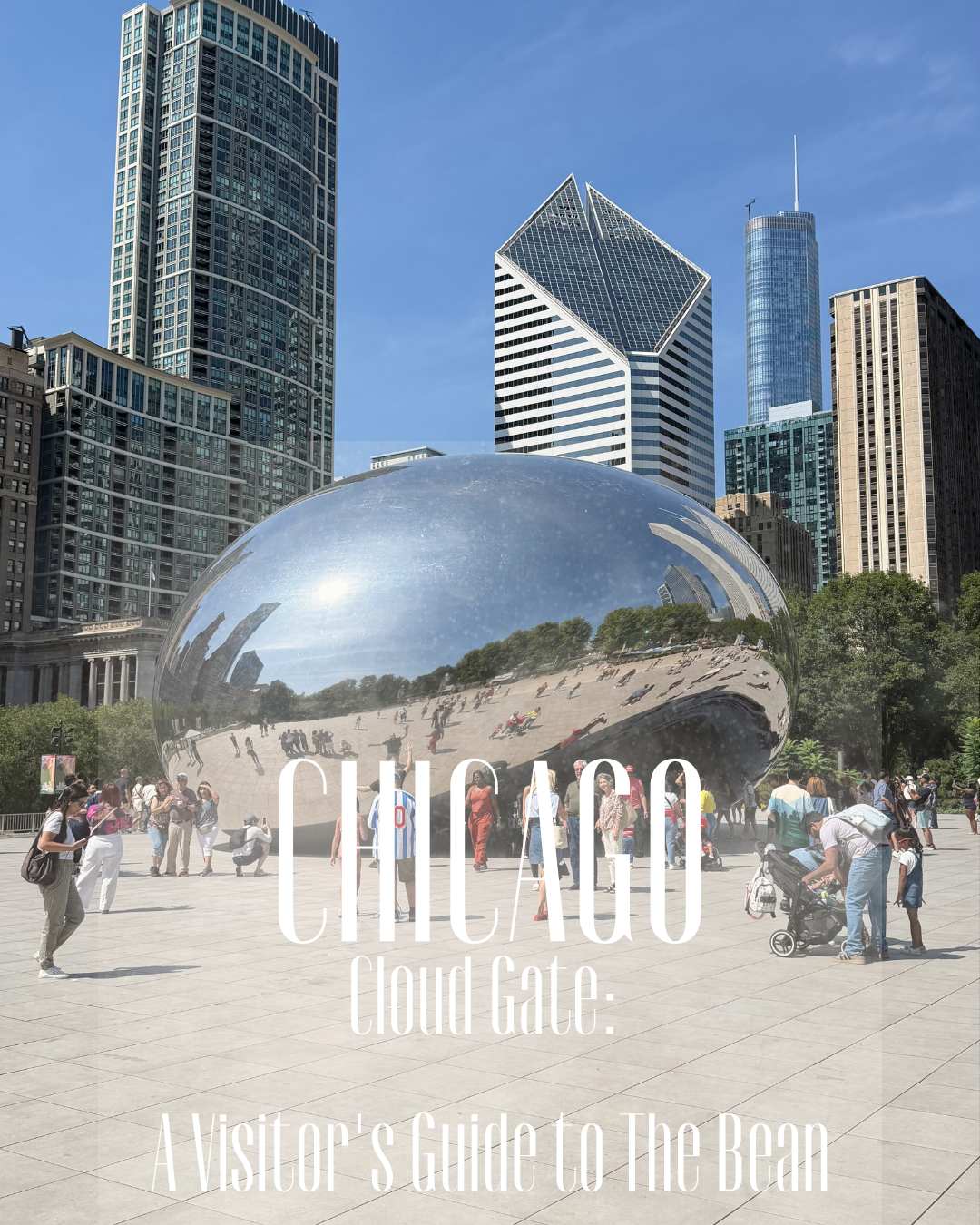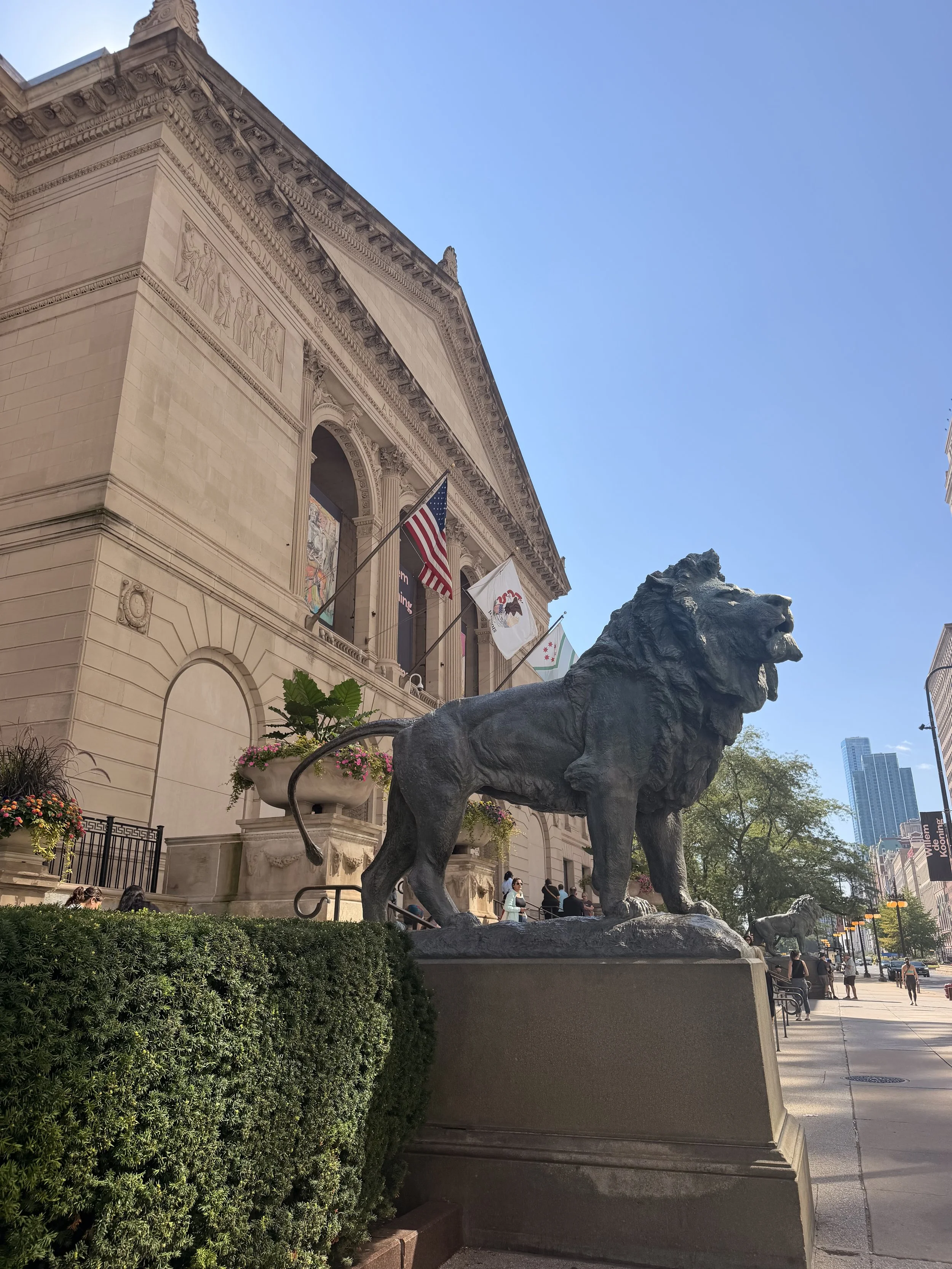
Visitors Guide The Art Institute of Chicago
The Art Institute of Chicago
Address | 111 S Michigan Ave, Chicago, IL 60603
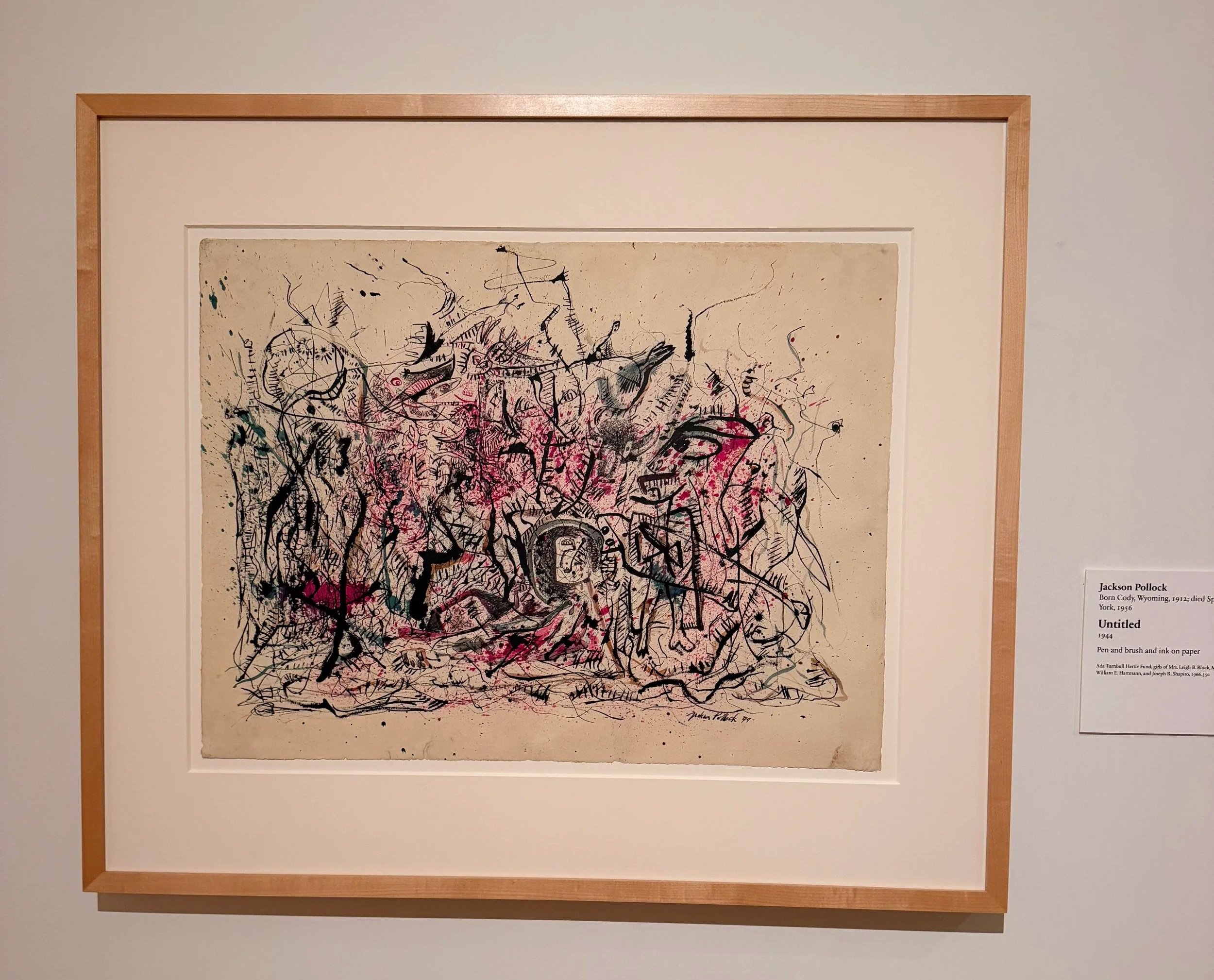
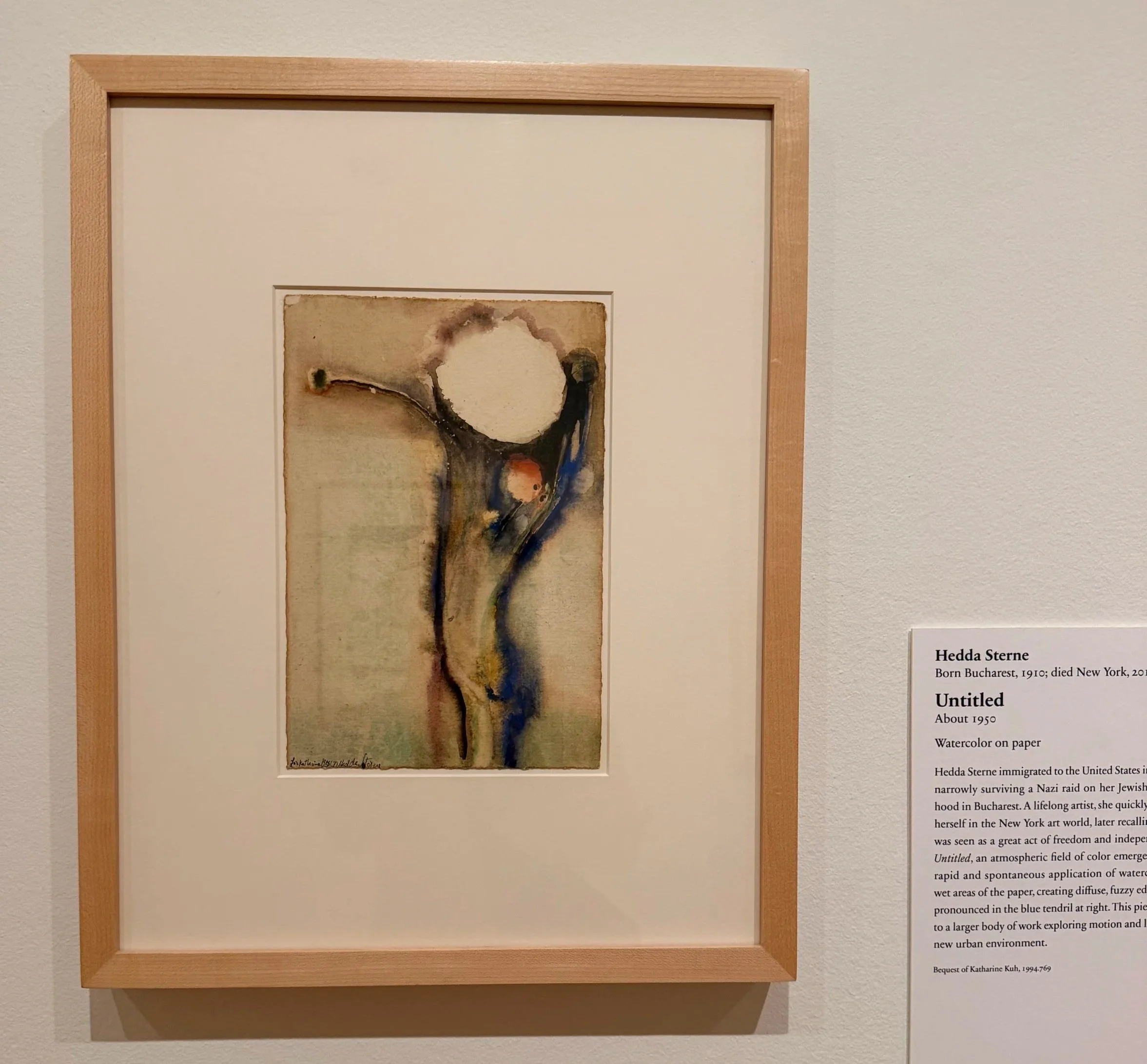
During our time in Chicago, several people encouraged us to make a visit to the Art Institute of Chicago—and we’re so glad we listened. Located in the heart of the city, the museum is an incredible place to spend a few hours exploring its impressive and extensive collection. From iconic masterpieces and European paintings to modern art, sculpture, decorative arts, and fascinating temporary exhibitions—Willem de Kooning was on exhibit during our visit—there is something to capture your attention around every corner. Whether you’re a longtime art lover or simply looking for a memorable cultural experience in Chicago, the Art Institute is well worth adding to your itinerary.
Preparing for Your Art Institute of Chicago Visit
Purchase tickets in advance — This is especially helpful during weekends, holidays, and busy travel periods. You can also purchase tickets on site, but advance purchase will save you time in a line.
Give yourself plenty of time — The collection is extensive, so plan on spending at least 3-4 hours, or longer if you want to explore at a leisurely pace.
Check current exhibitions — Look at what’s on view before your visit so you can prioritize special exhibitions or must-see works.
Wear comfortable shoes — You’ll be doing plenty of walking through the galleries.
Plan your route — The museum is large, so having a few galleries or works you especially want to see can help you make the most of your time.
Check the museum’s current hours and admission information before heading out.
Allow time for the museum shop — It’s a great place to browse for art books, gifts, and Chicago souvenirs.
Permanent Collection Highlights
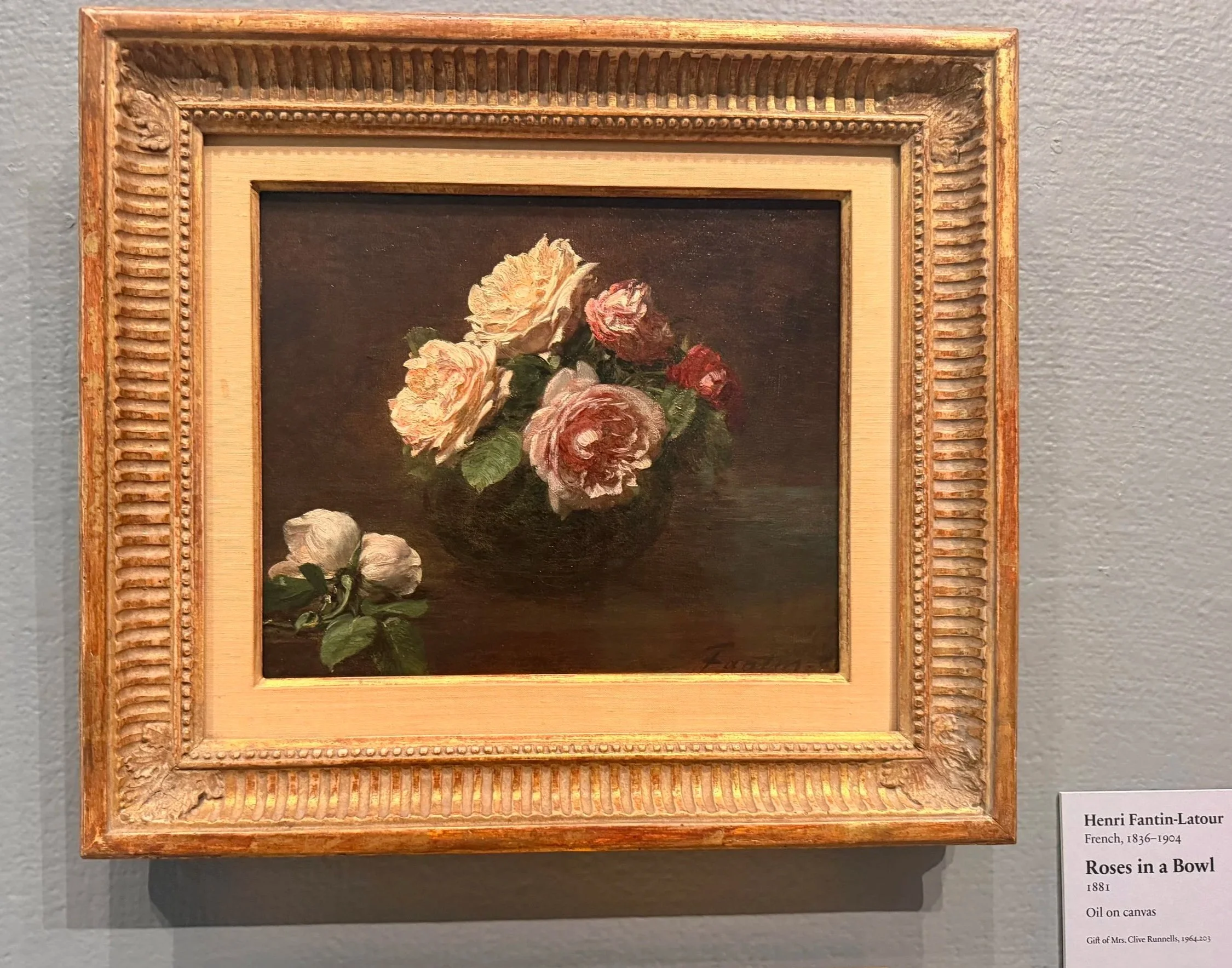
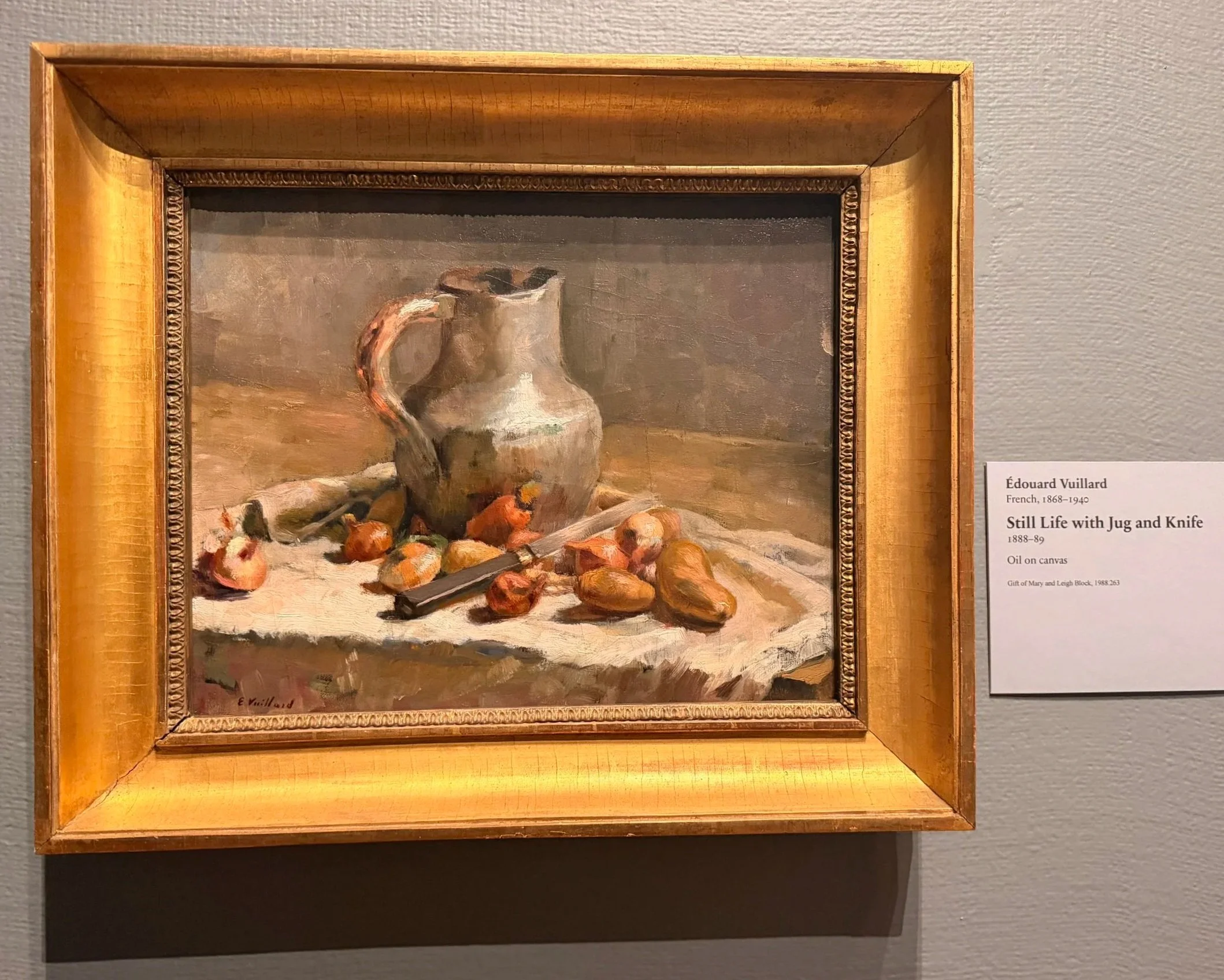
One of the best things about the Art Institute of Chicago is the sheer variety of its permanent collection. With works spanning centuries, cultures, and artistic movements, you can easily spend hours moving from one gallery to the next. While there is far more to see than we could cover in a single visit, these are some of the standout attractions we especially recommend adding to your list.
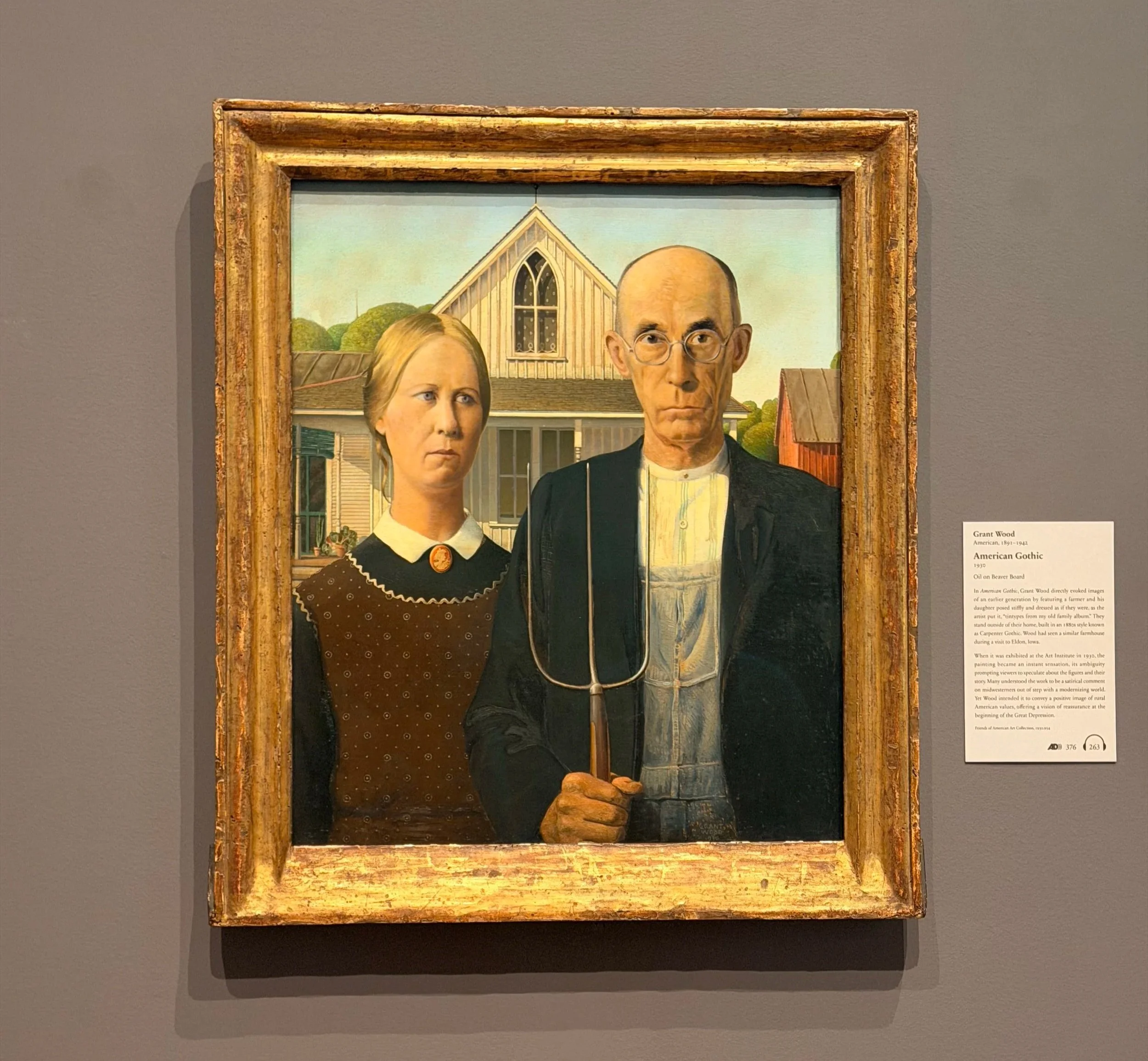
American Gothic by Grant Wood — One of the museum’s most recognizable works and an iconic piece of American art.
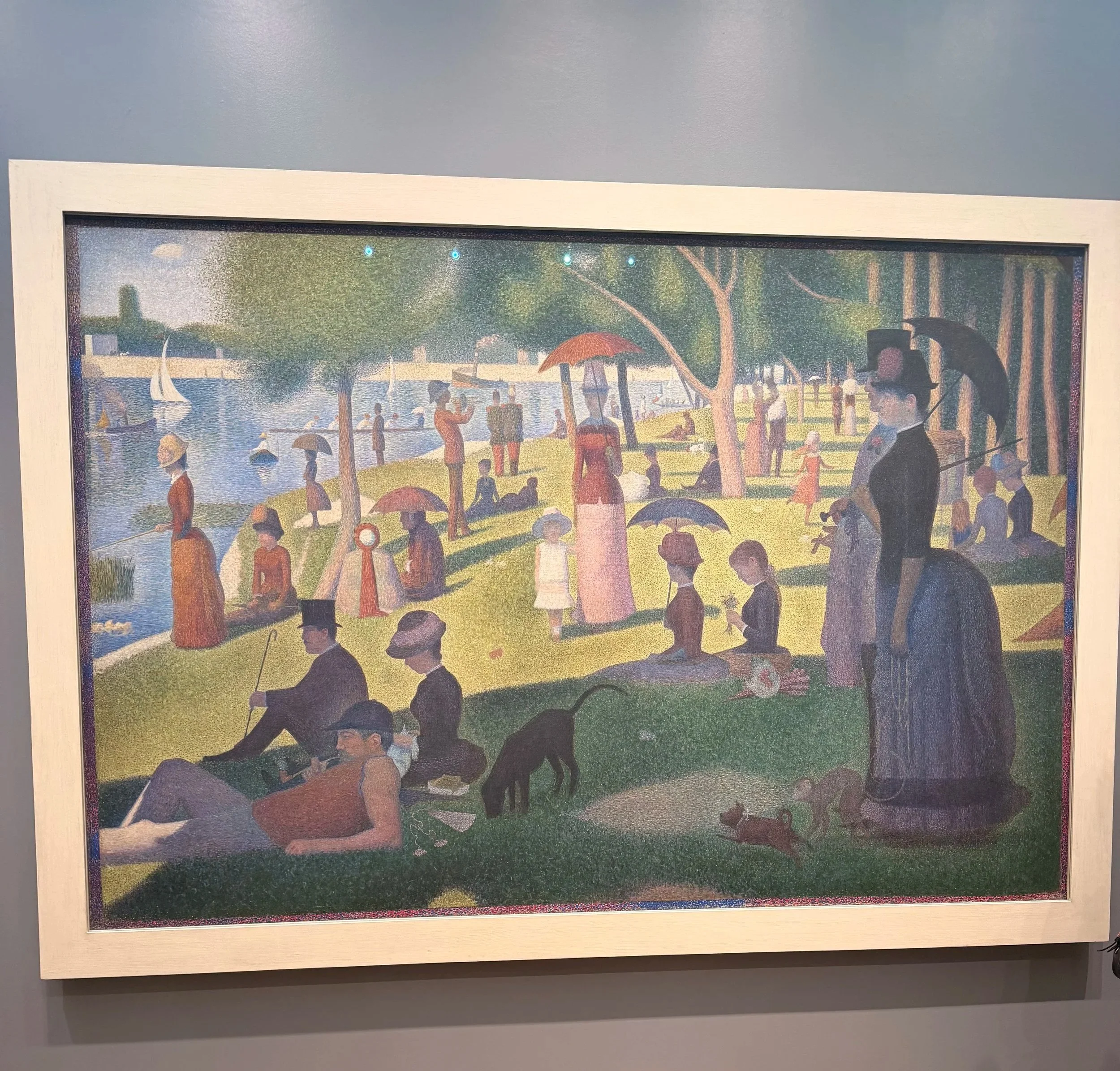
A Sunday on La Grande Jatte—1884 by Georges Seurat — A monumental example of Pointillism and one of the museum’s signature works.
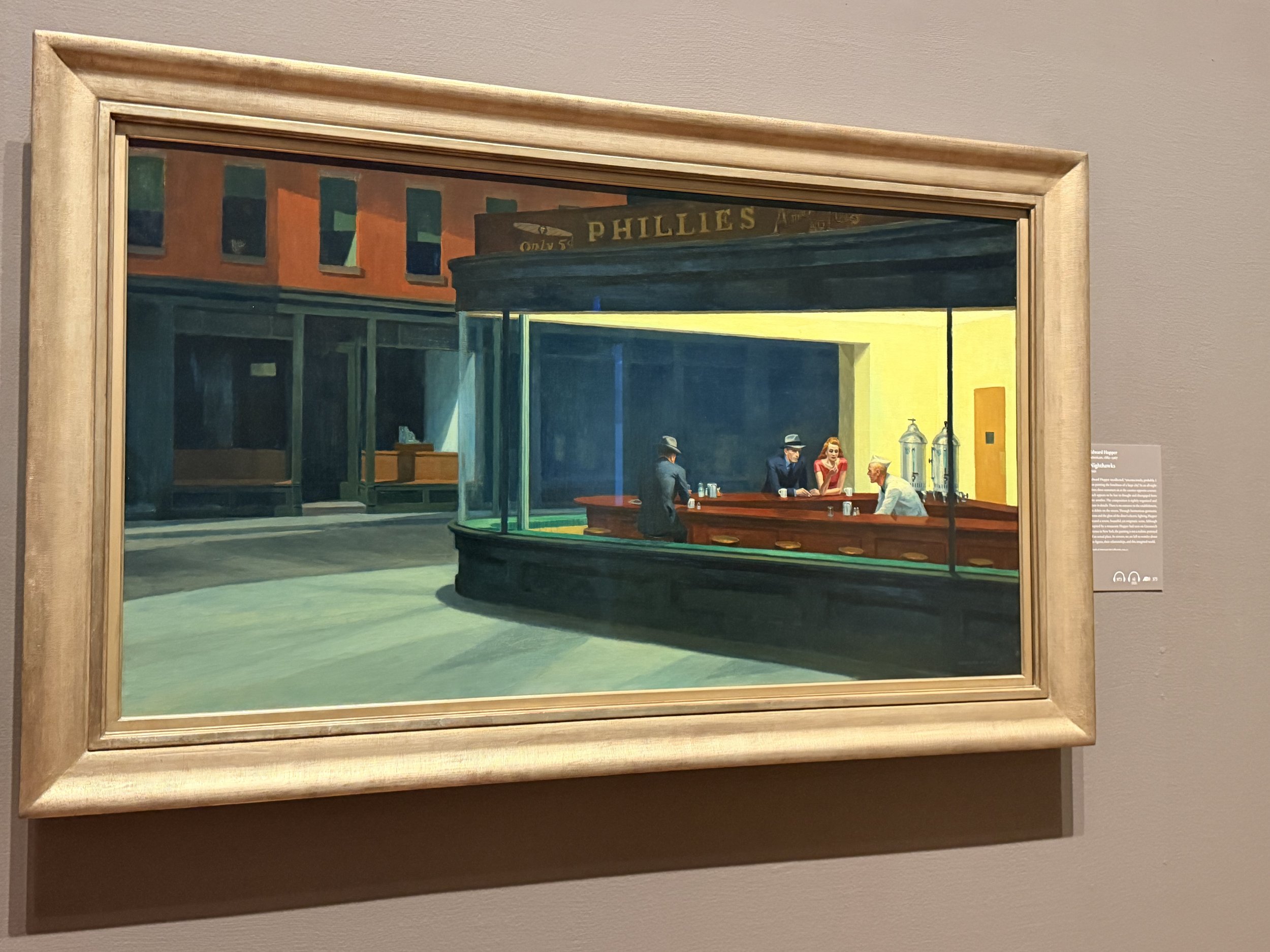
Nighthawks by Edward Hopper — Hopper’s famous nighttime diner scene is another must-see.
The Old Guitarist by Pablo Picasso — A striking work from Picasso’s Blue Period.
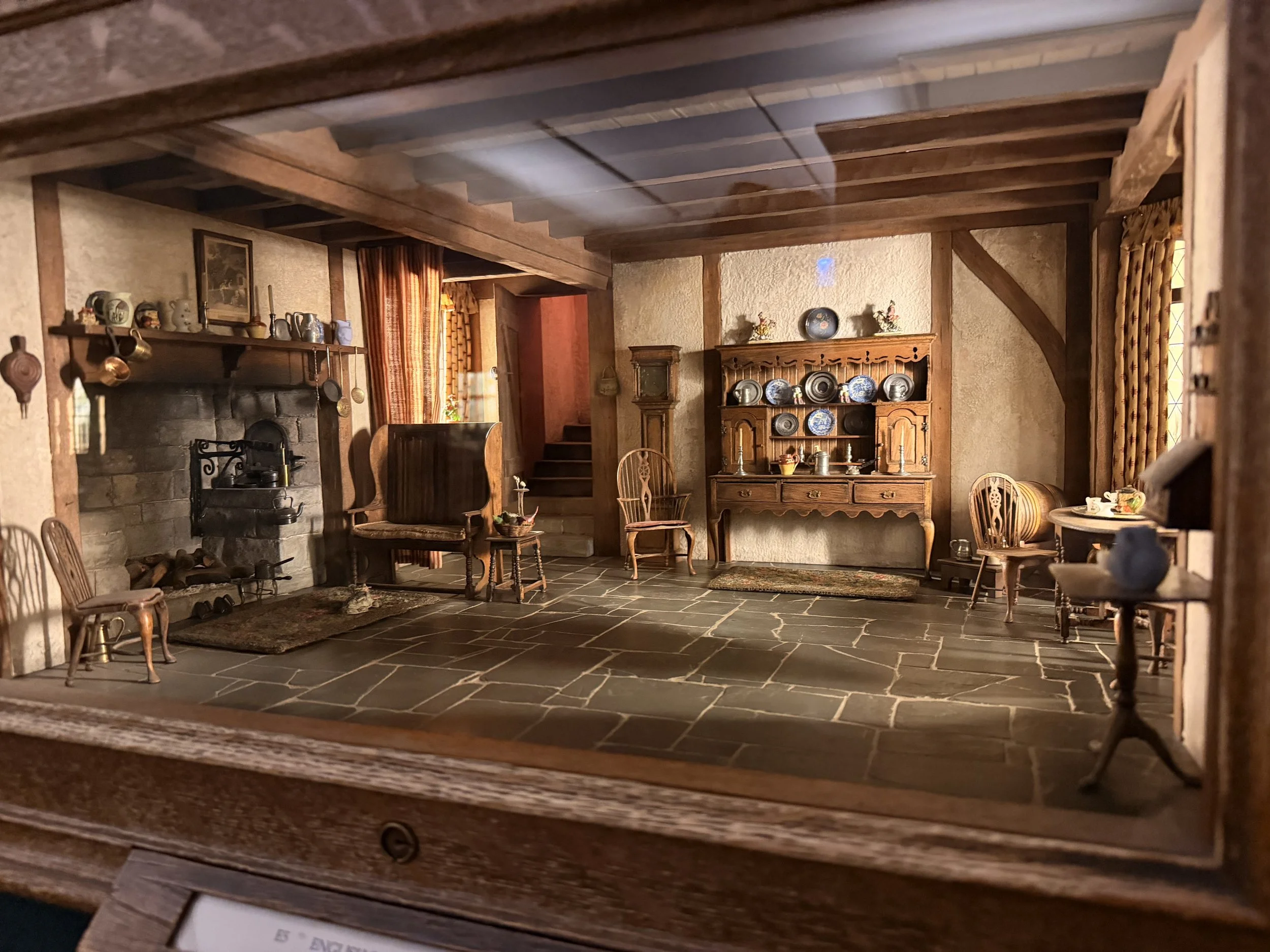
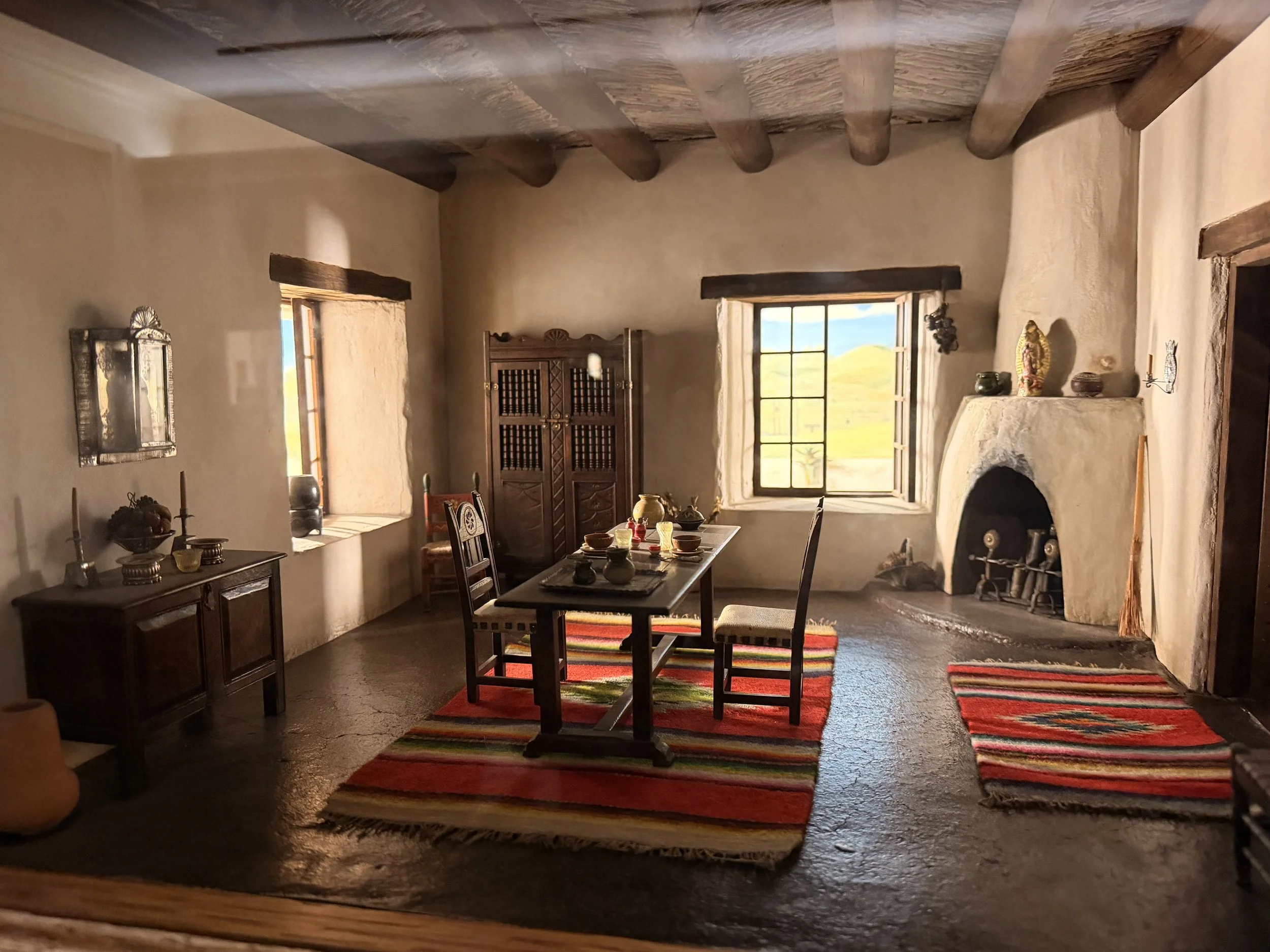
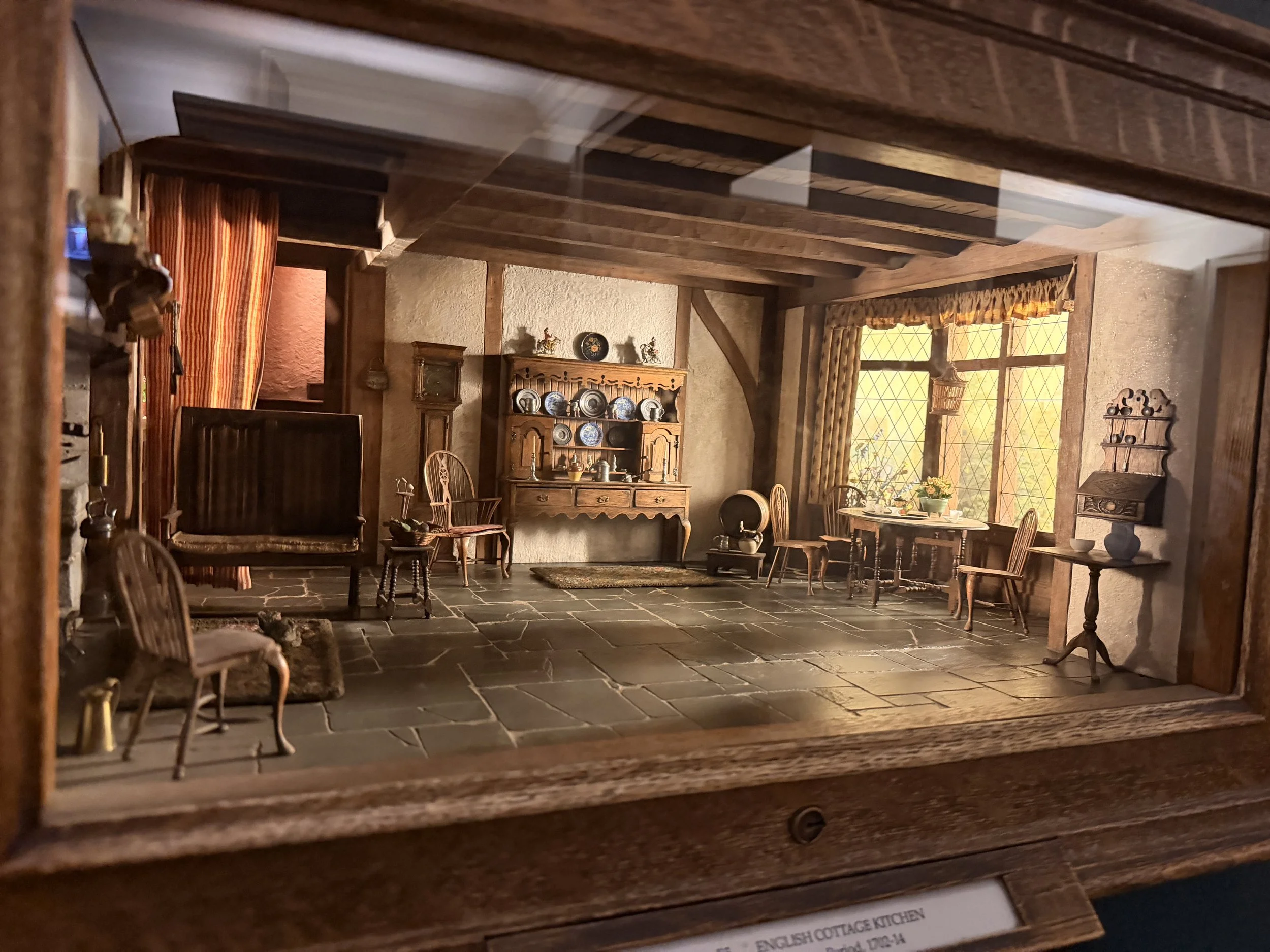
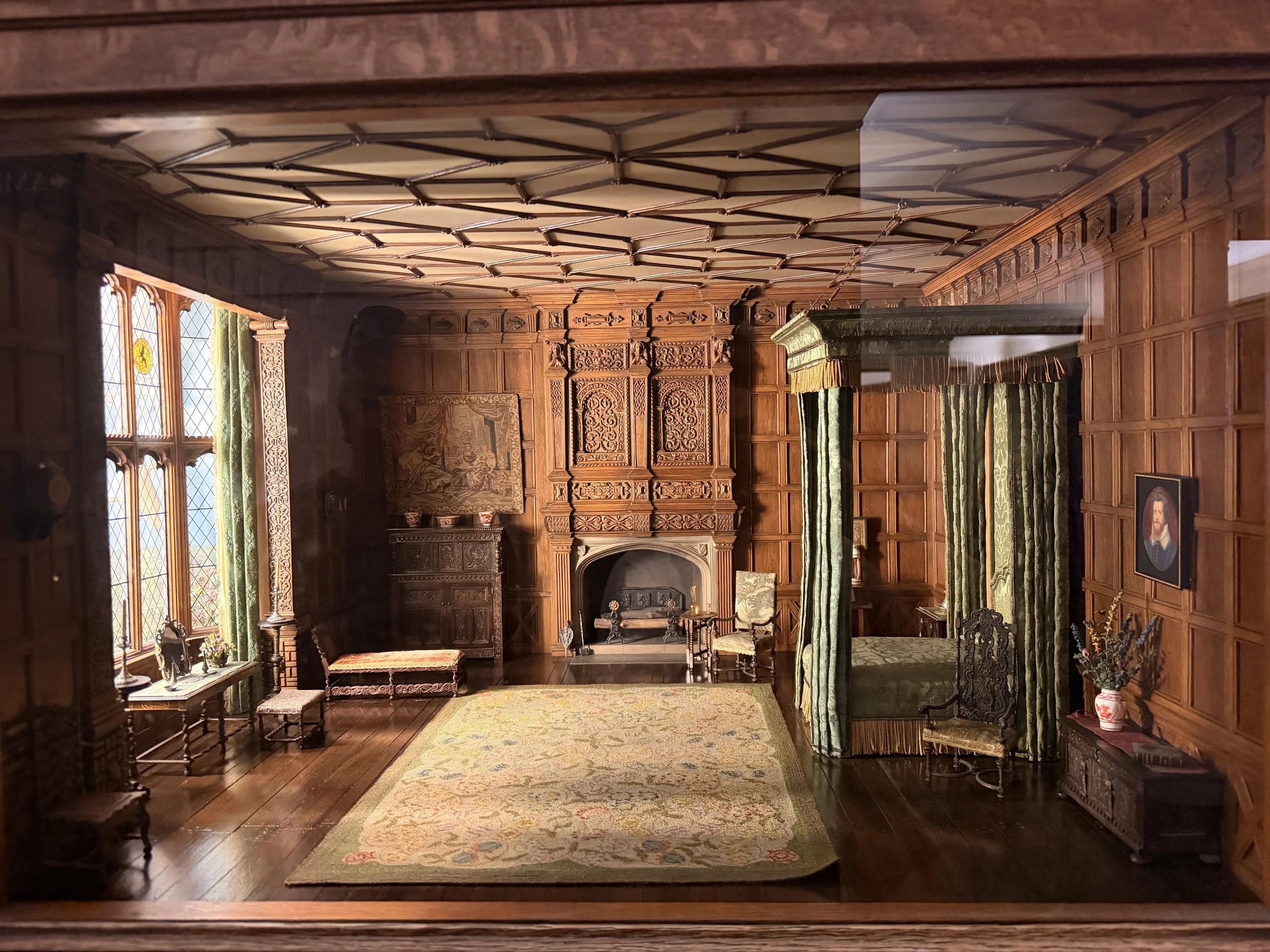
The Thorne Miniature Rooms — A longtime visitor favorite featuring exquisitely detailed miniature interiors representing European and American rooms from different periods.
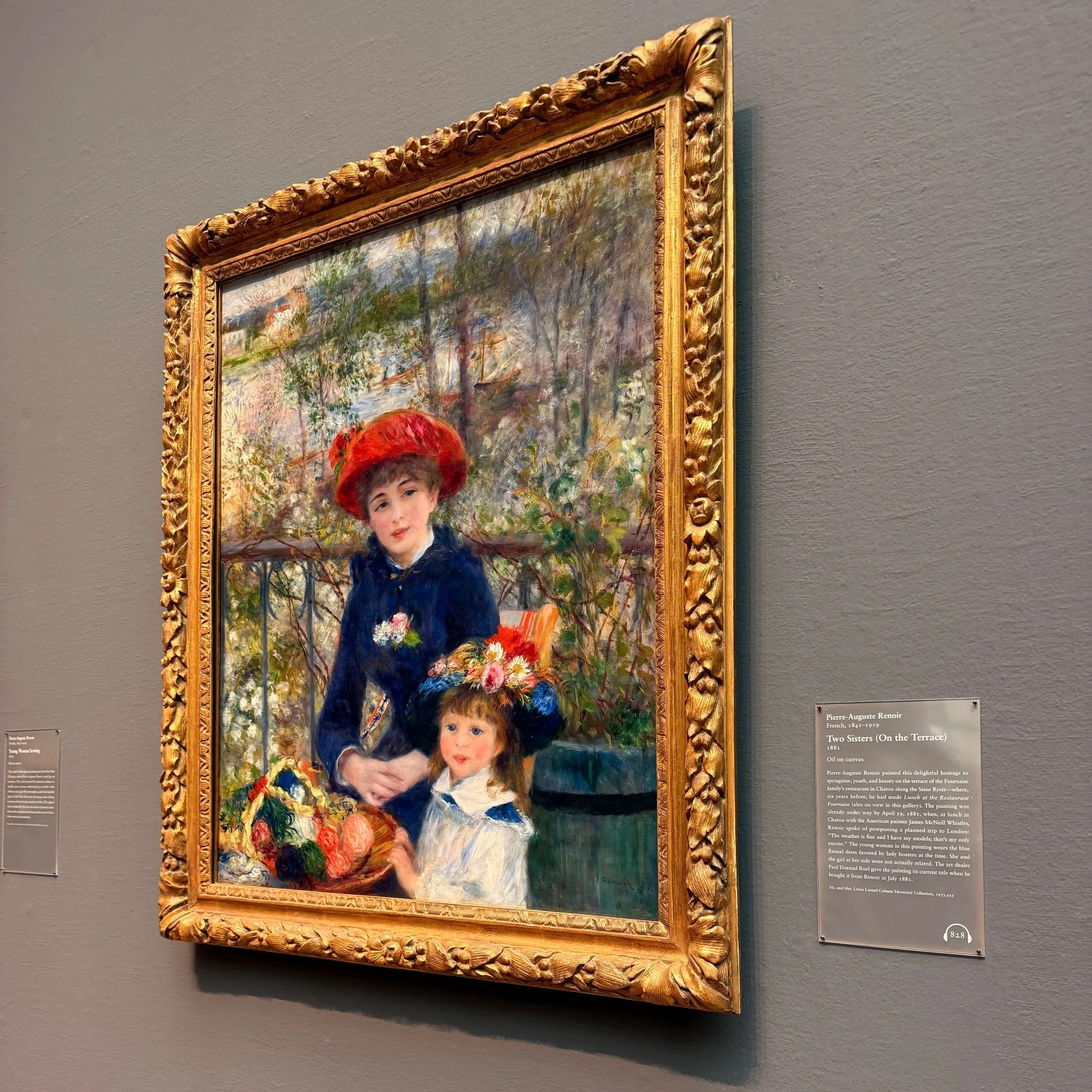
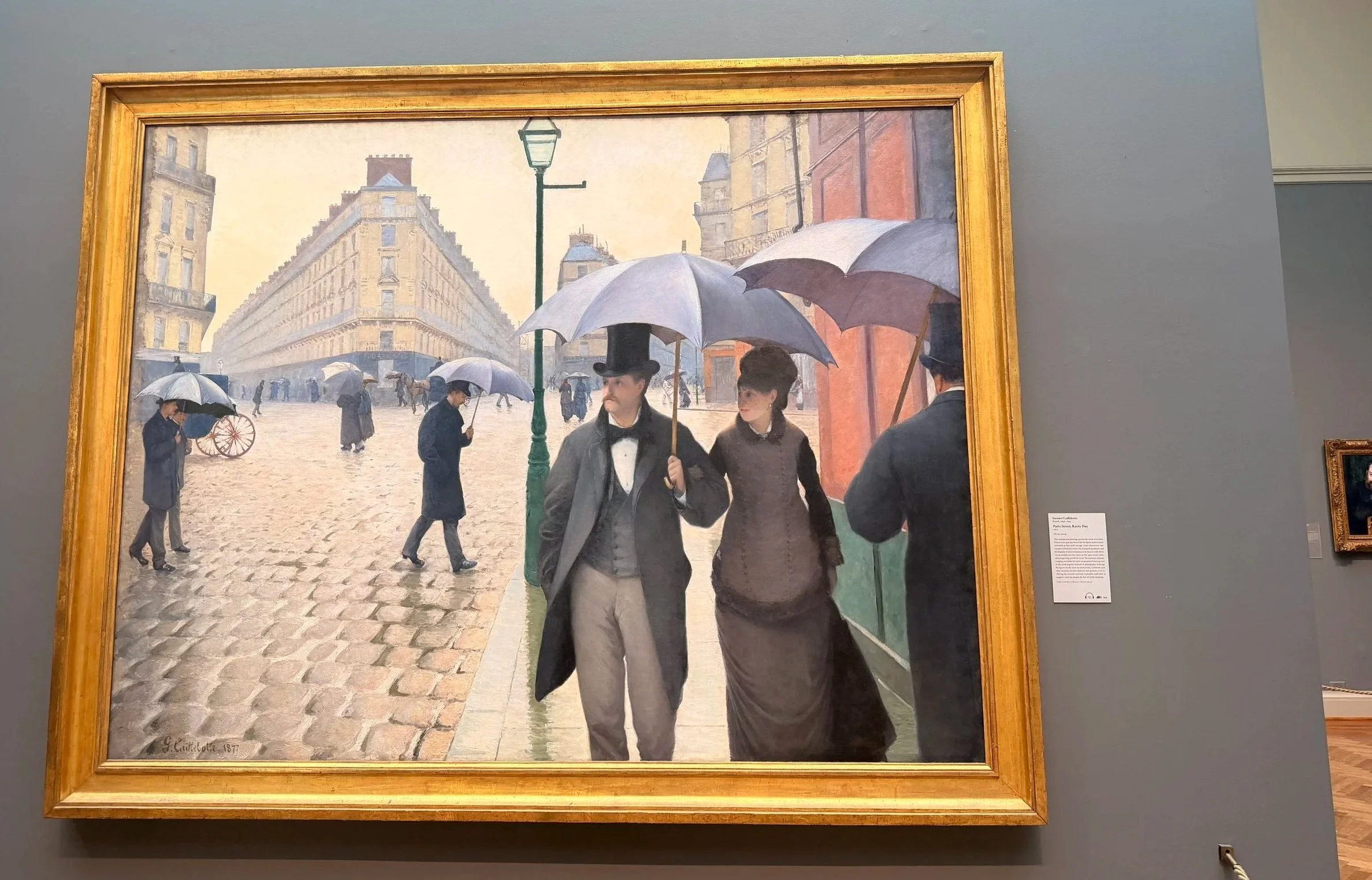
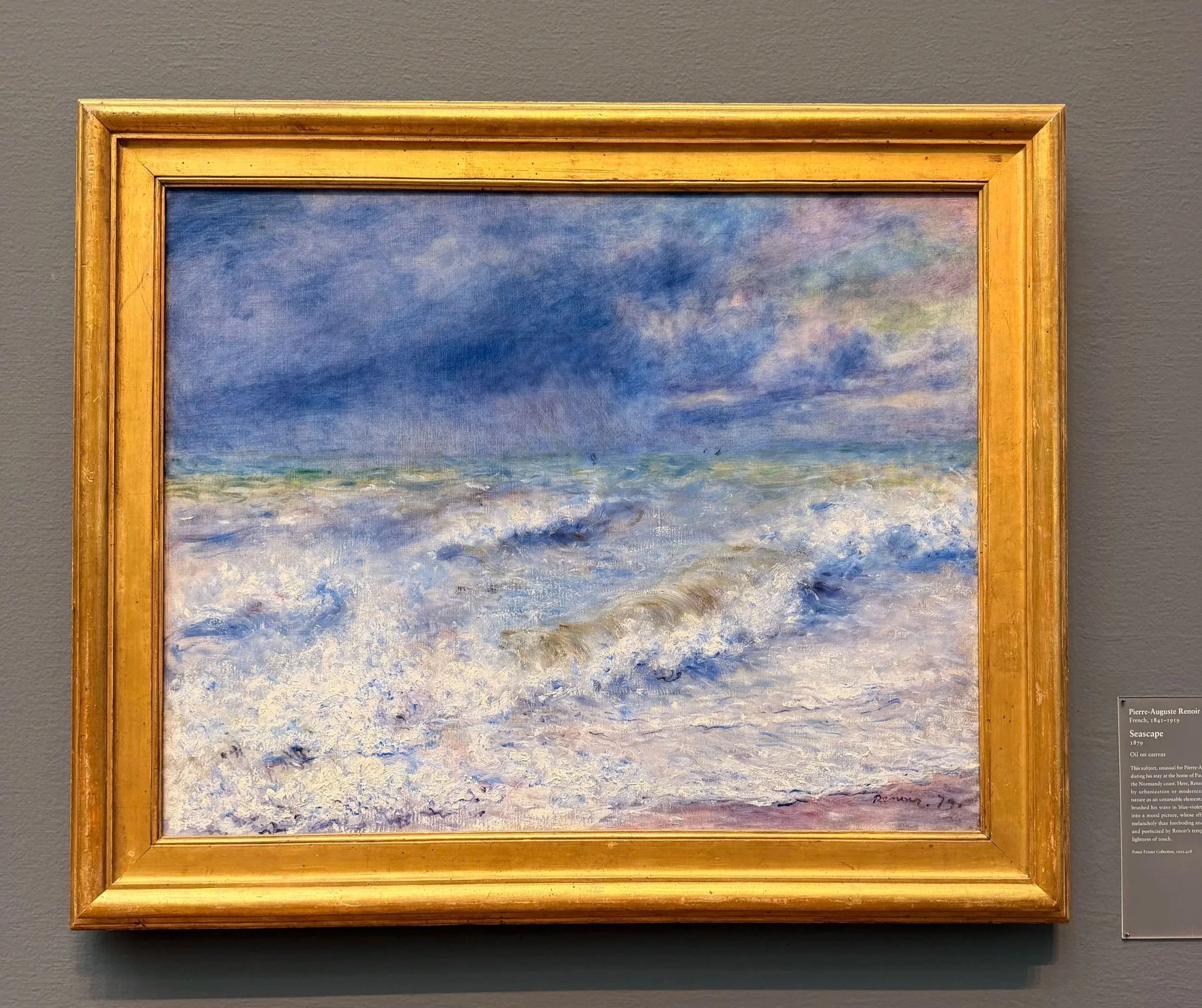
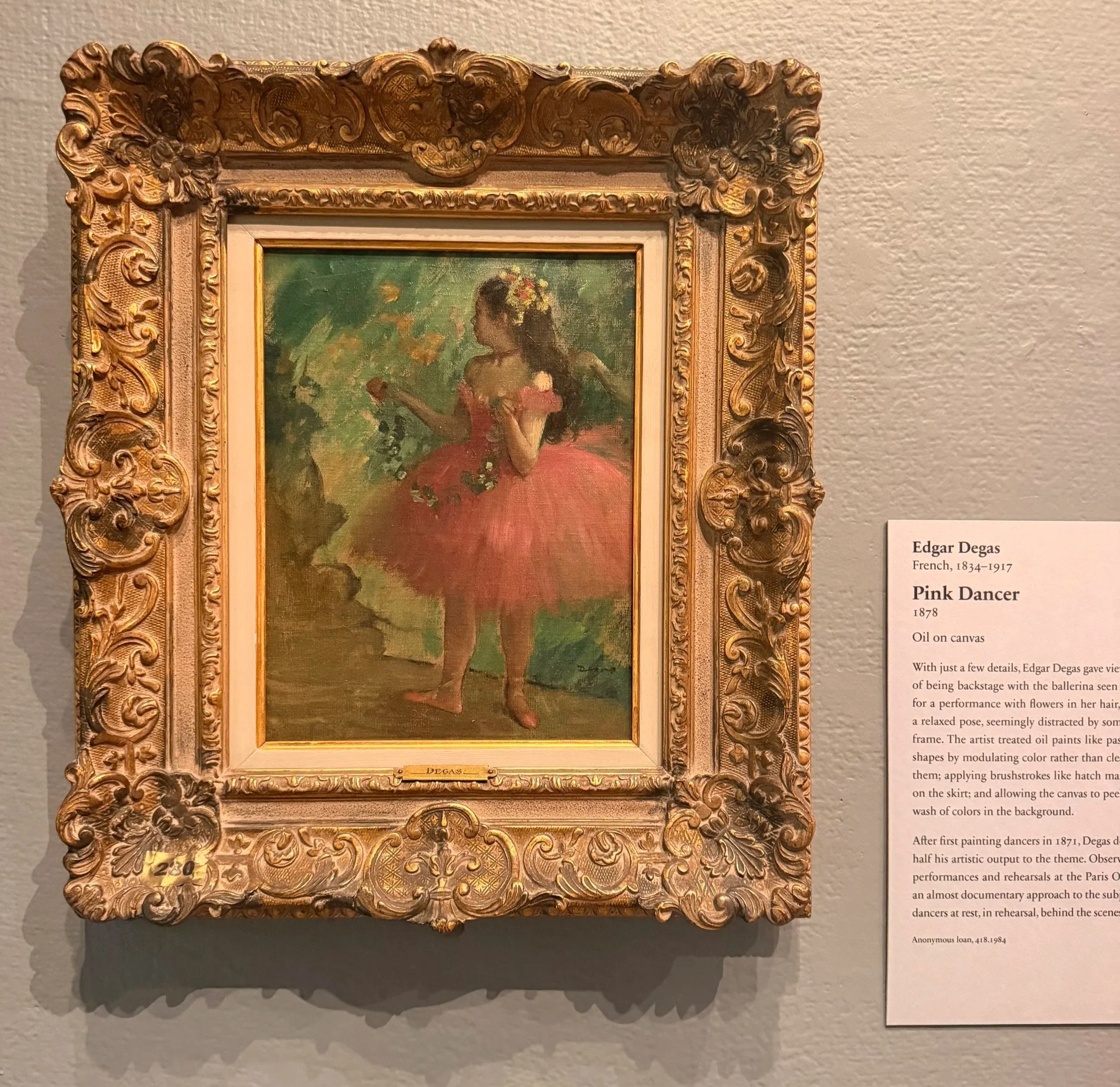
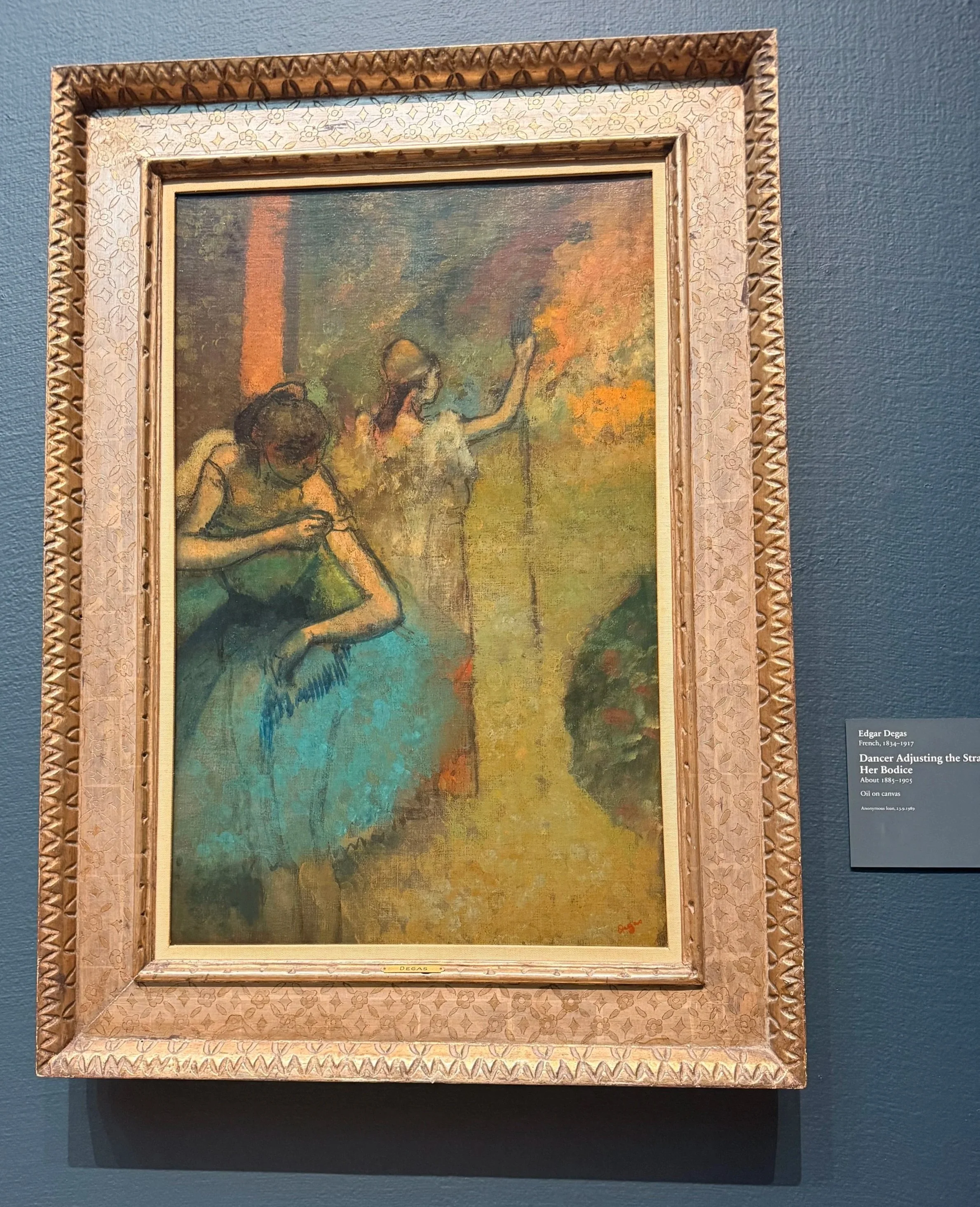
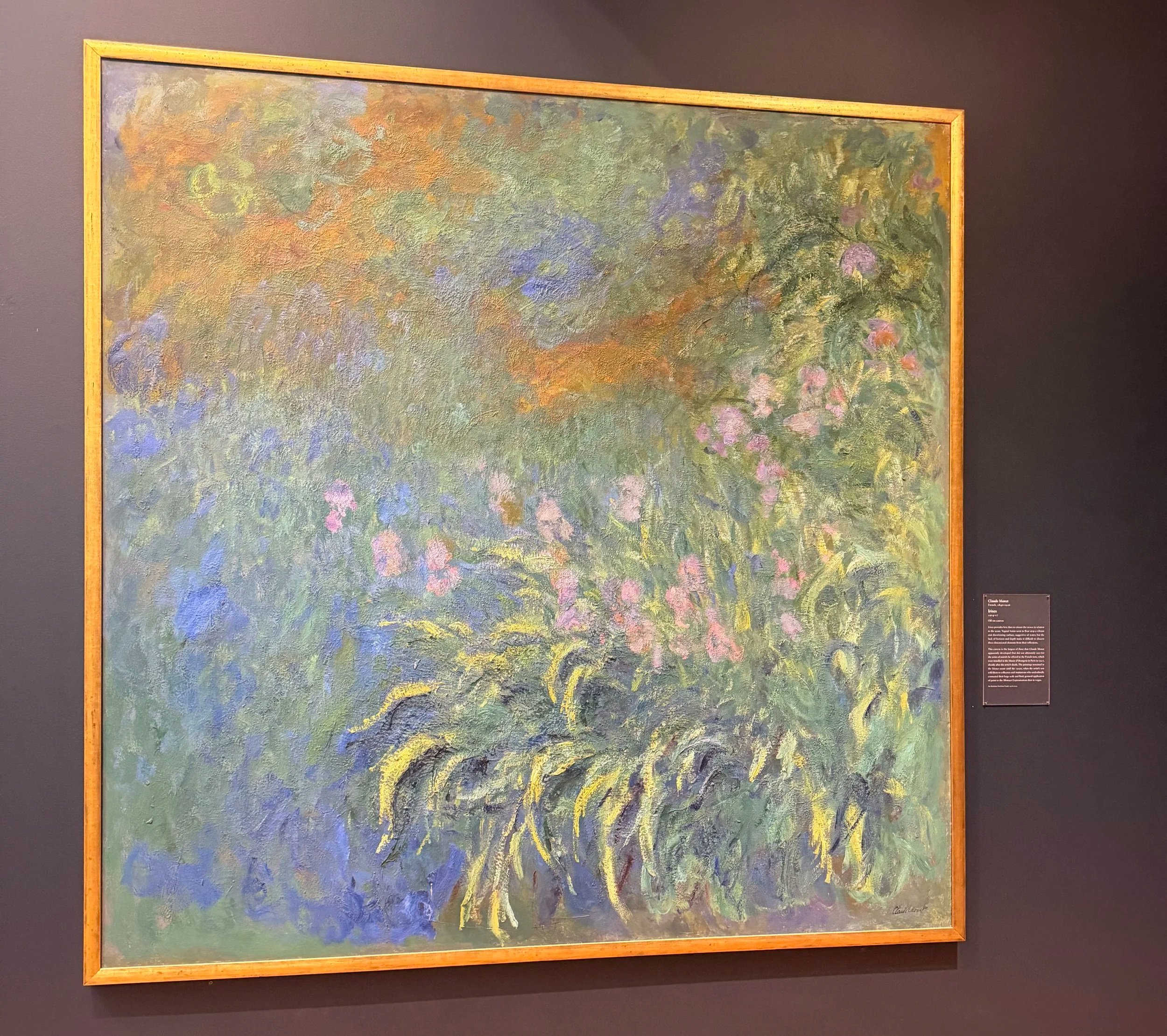
Water Lilies by Claude Monet — Part of the Art Institute’s exceptional Impressionist collection, which includes major works by Monet, Renoir, Degas, and other masters.
Impressionist and Post-Impressionist galleries — Spend time exploring works by artists including Monet, Renoir, Caillebotte, Pissarro, and others.
American Art — A wonderful collection spanning important periods in American painting and sculpture, including works beyond the famous American Gothic.
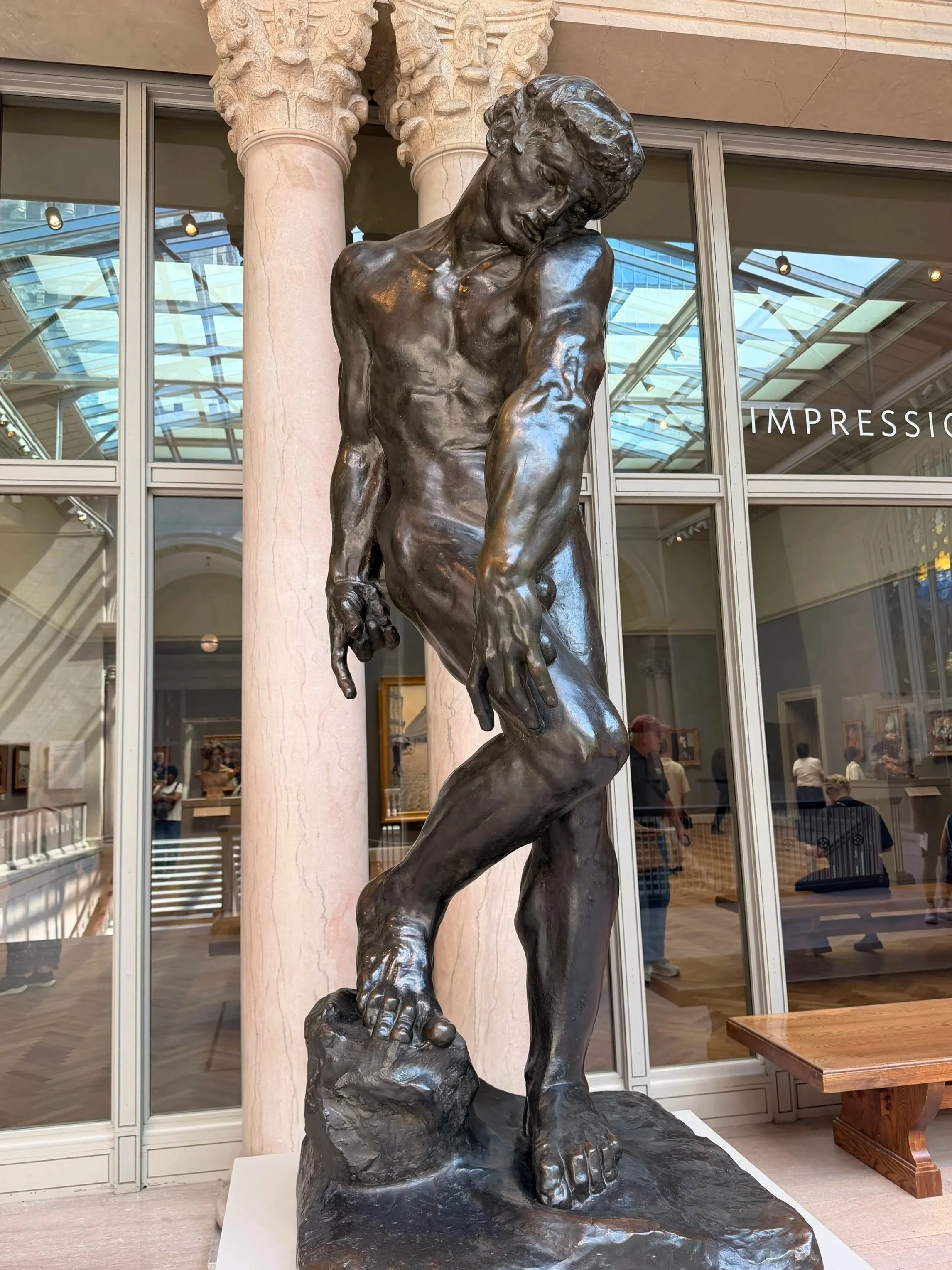
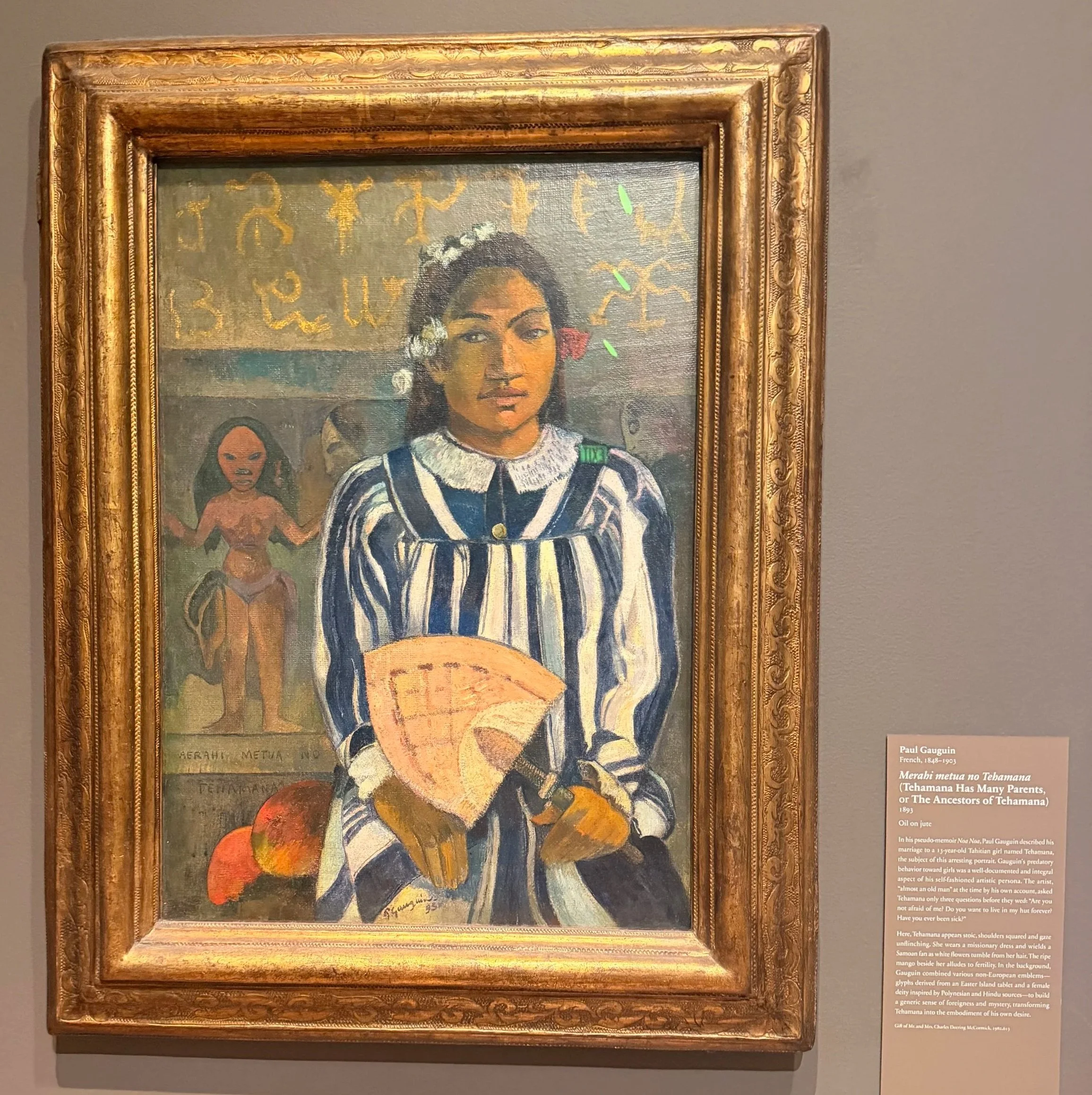
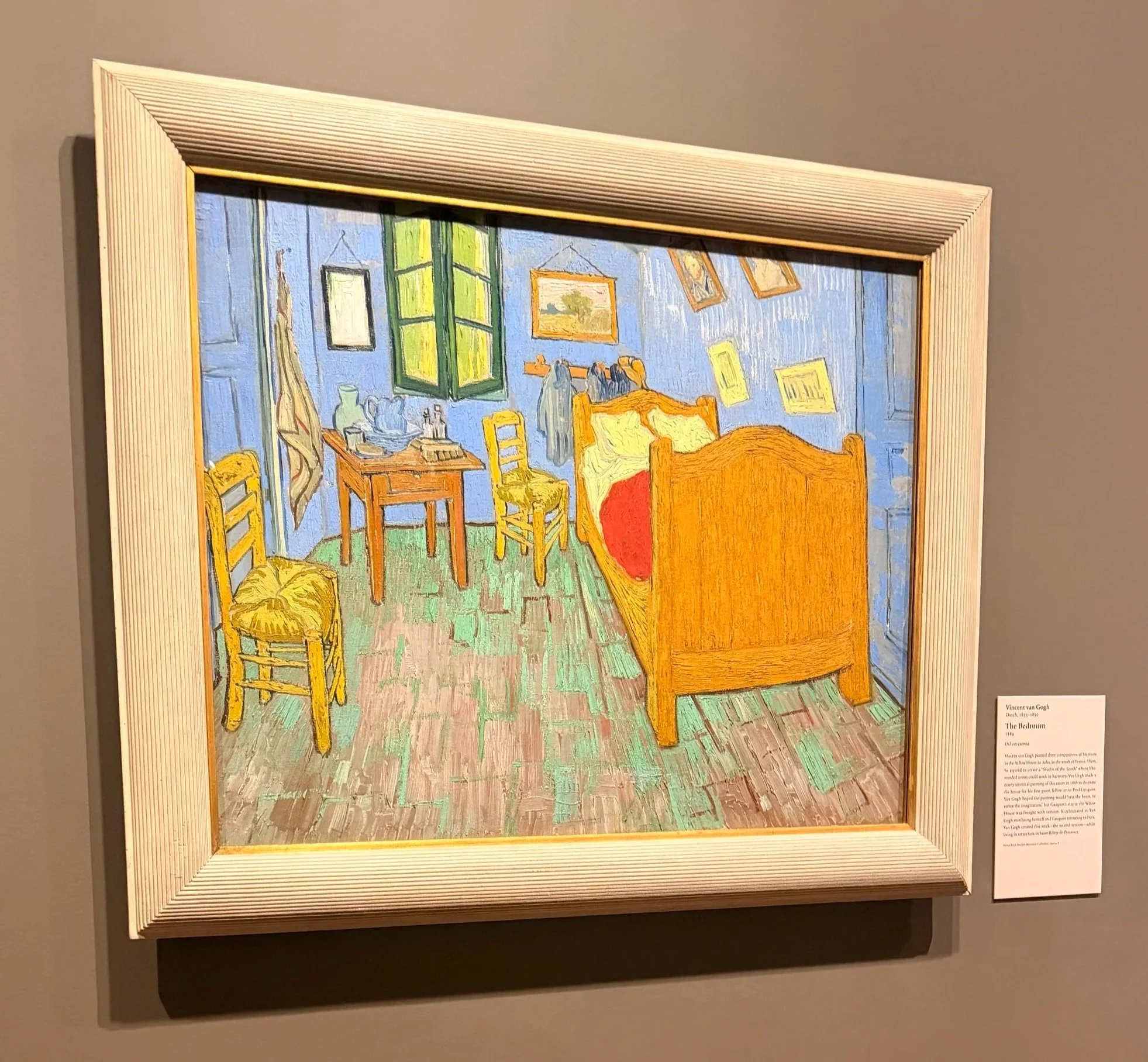
European Painting and Sculpture — Explore masterpieces ranging from Renaissance and Baroque works to 19th- and early 20th-century European art.
Modern and Contemporary Art — The collection continues into the 20th and 21st centuries, offering a completely different experience from the museum’s historic galleries.
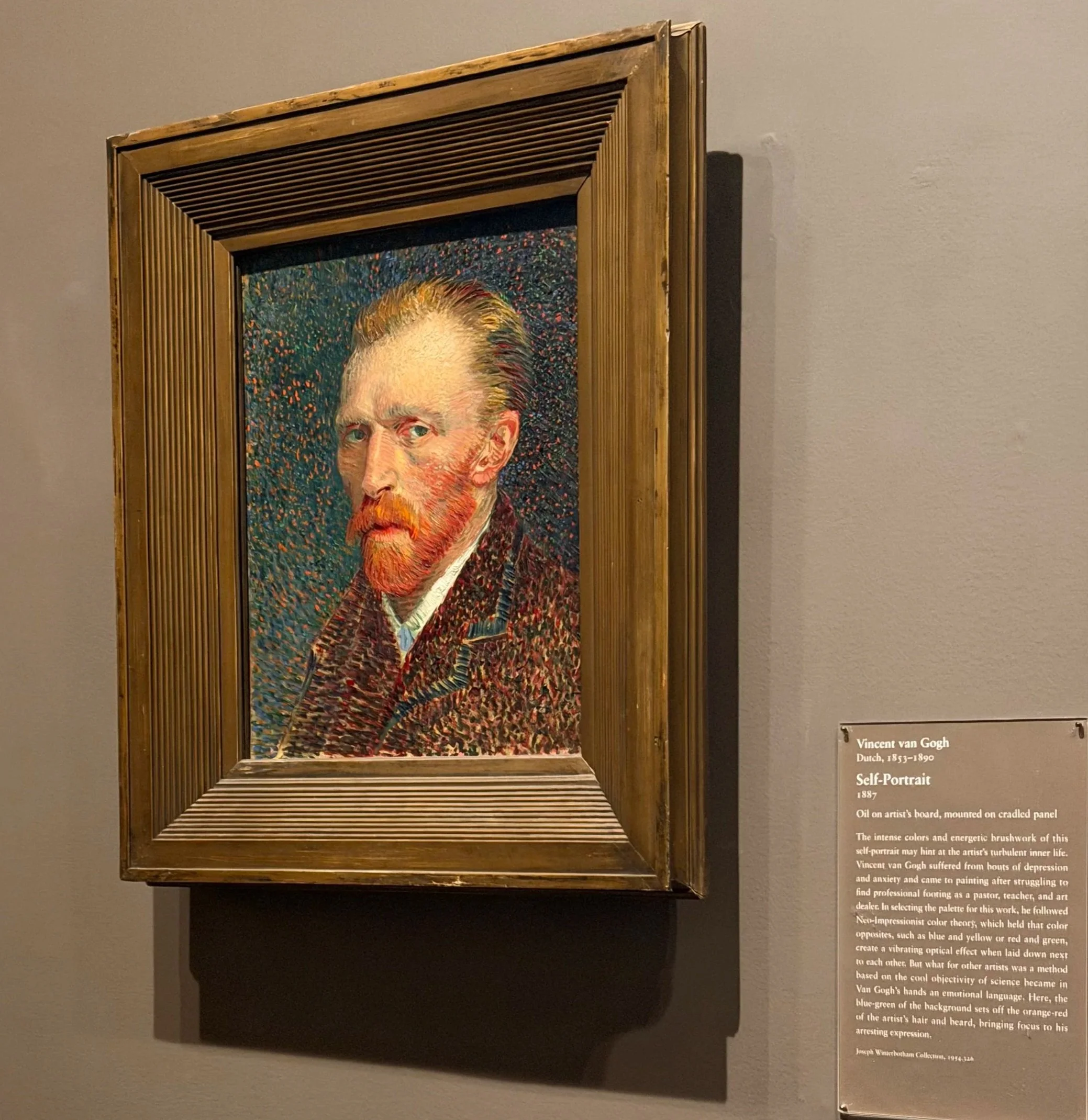
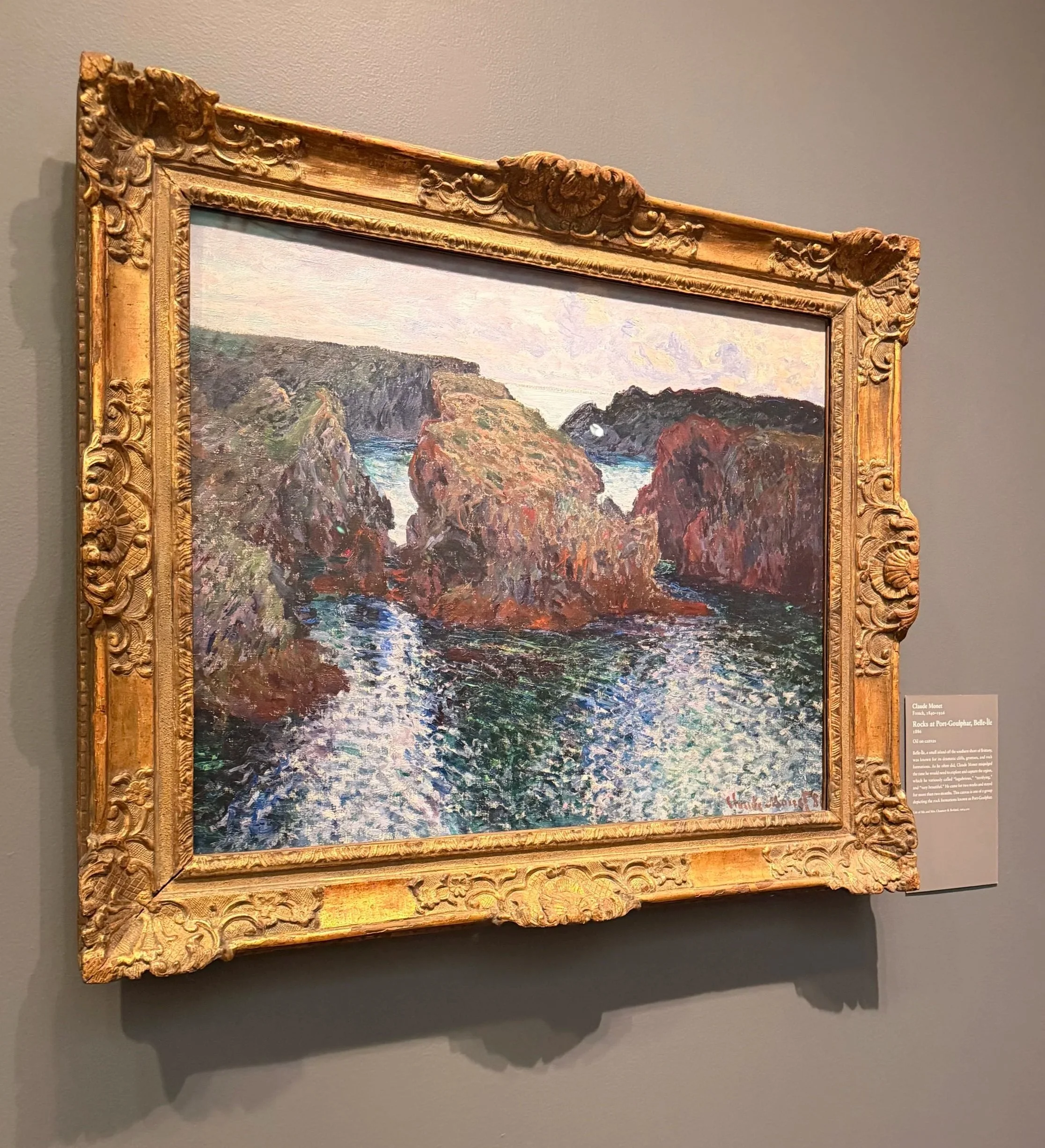
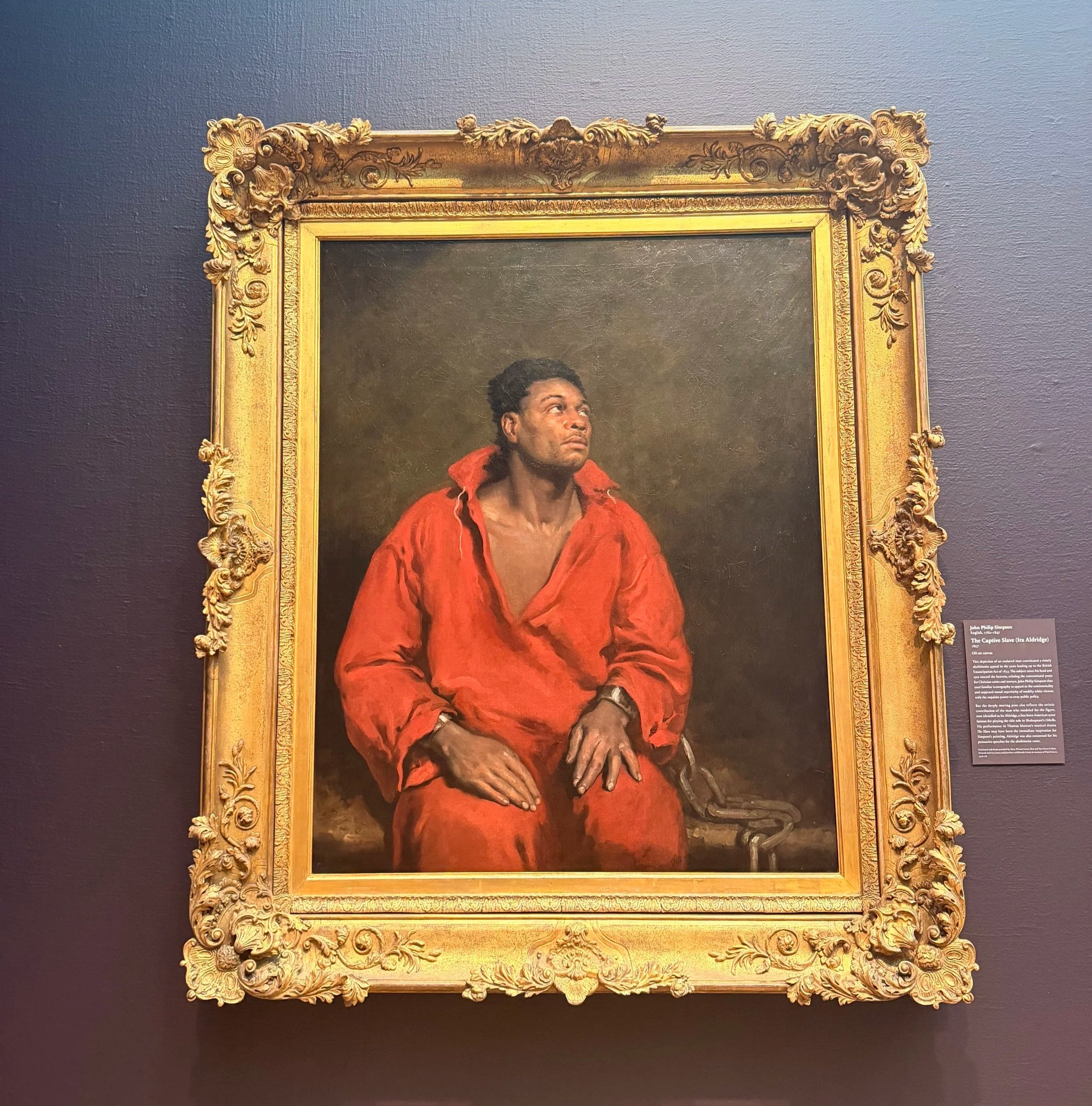
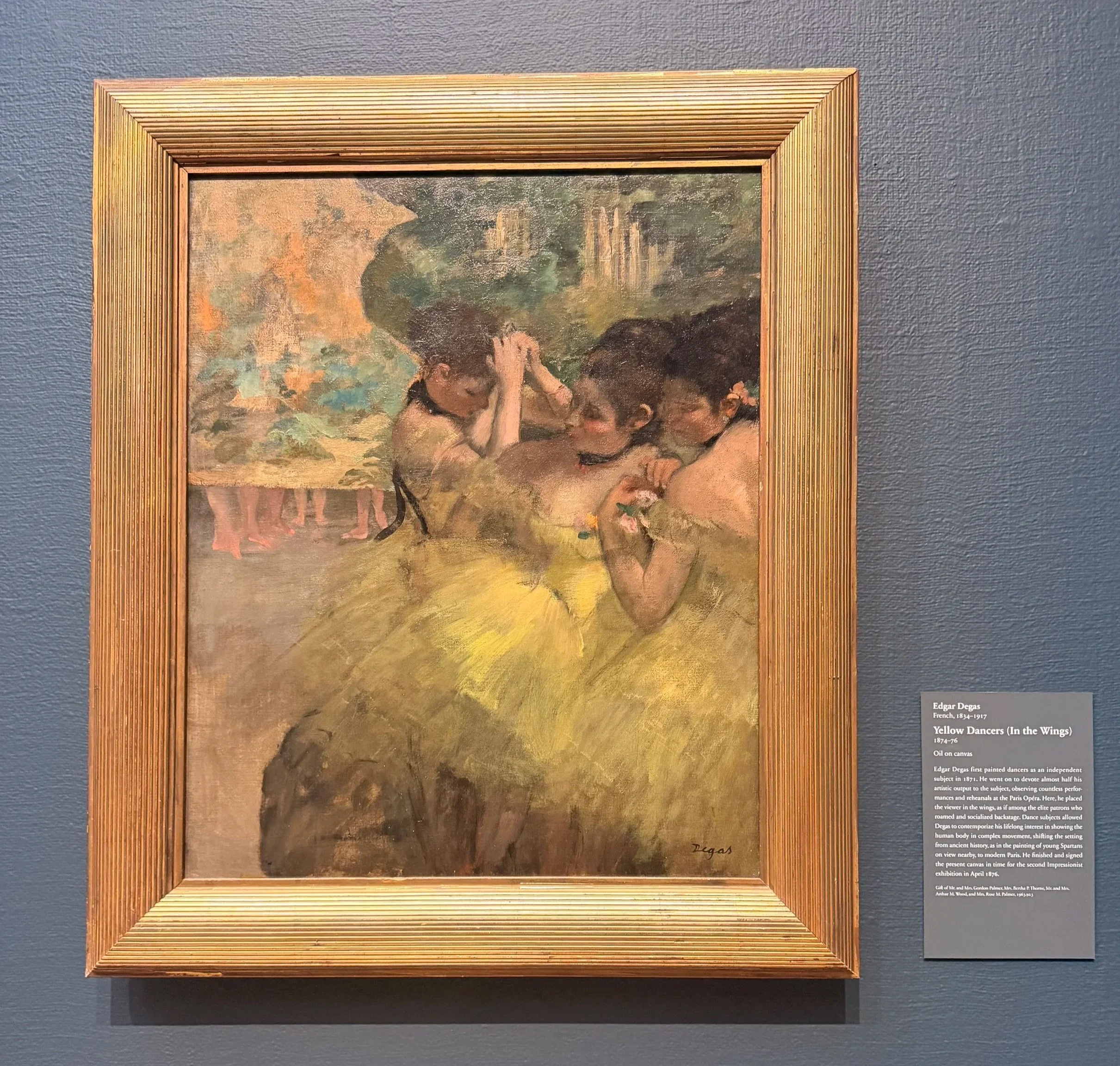
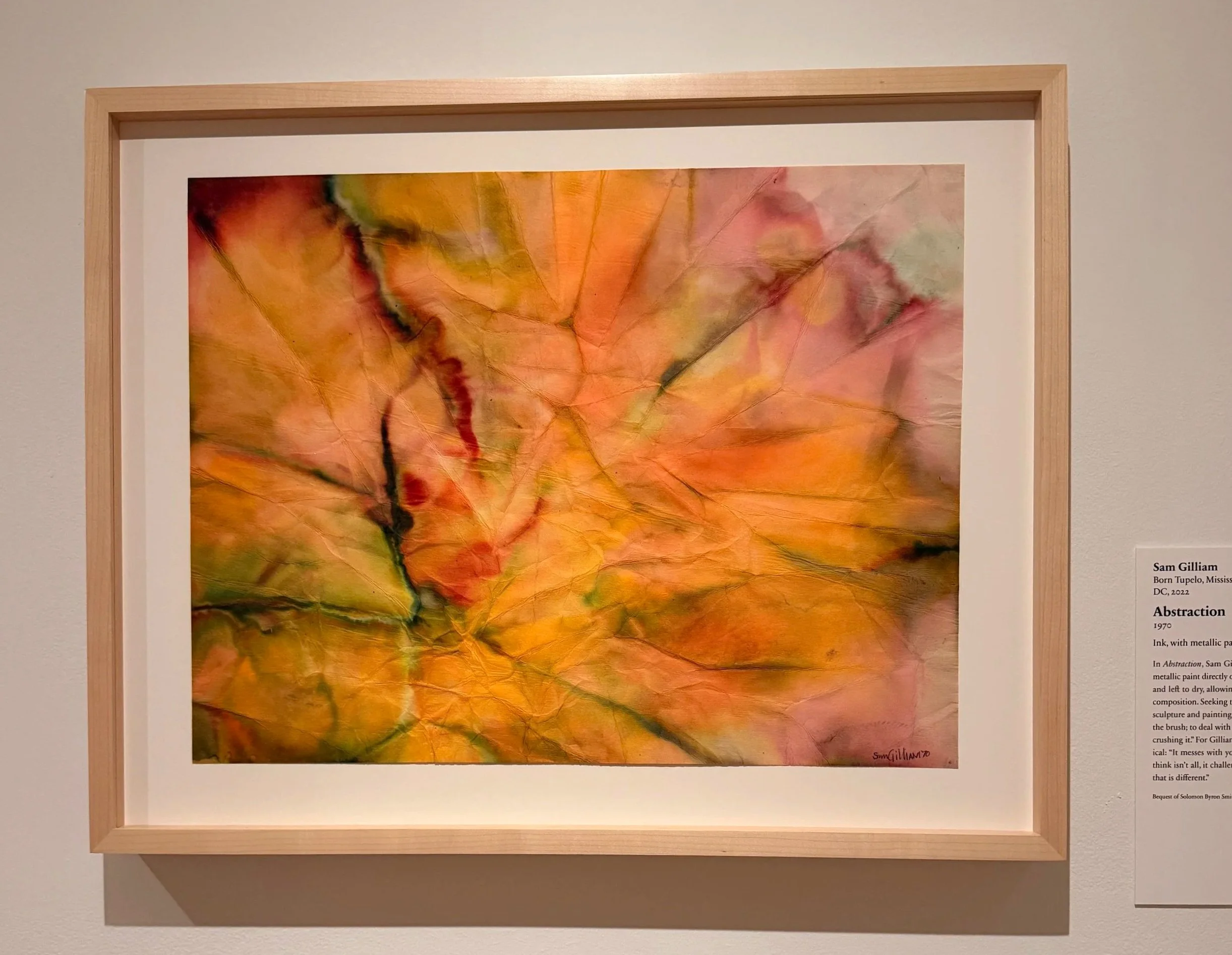
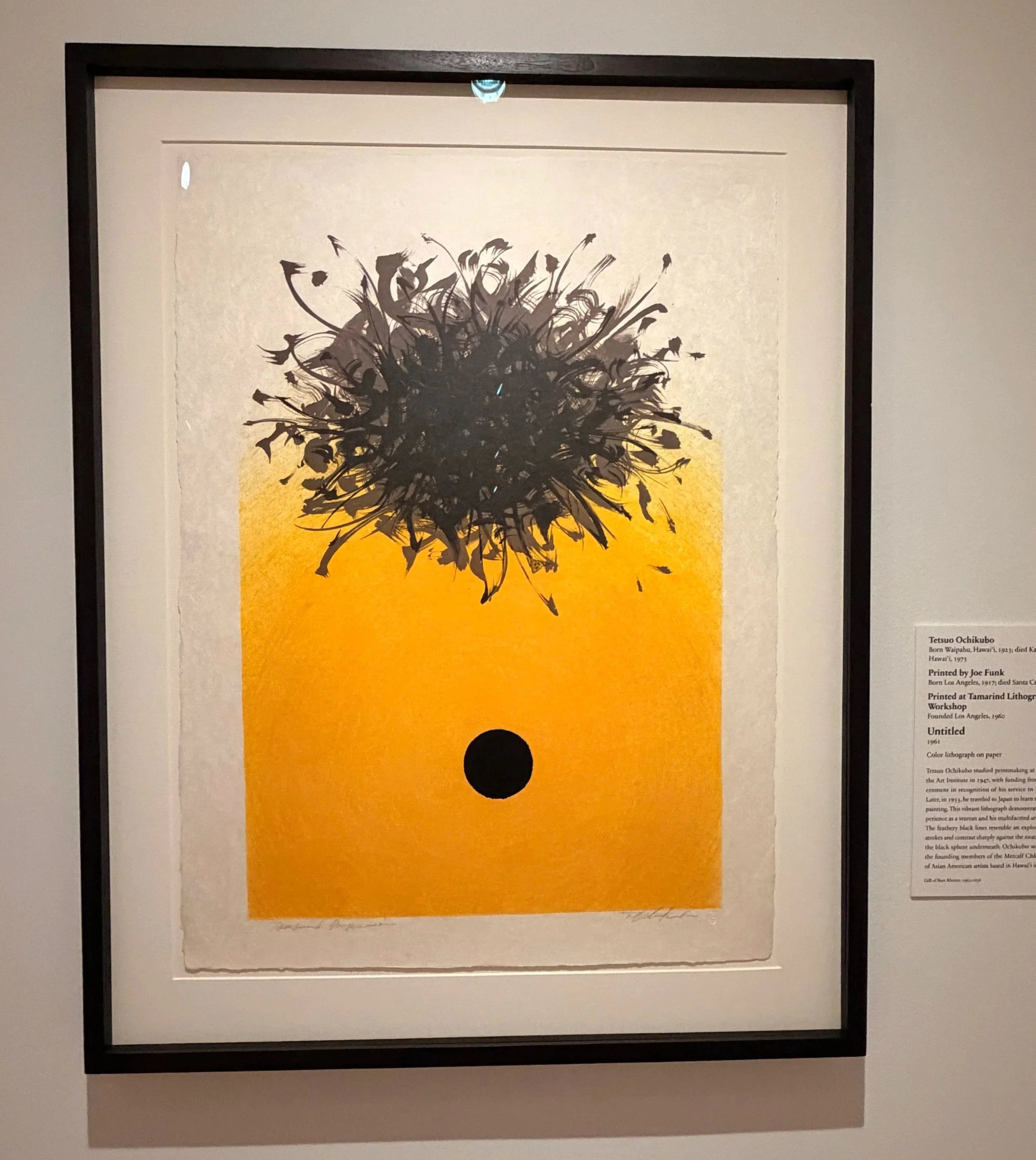
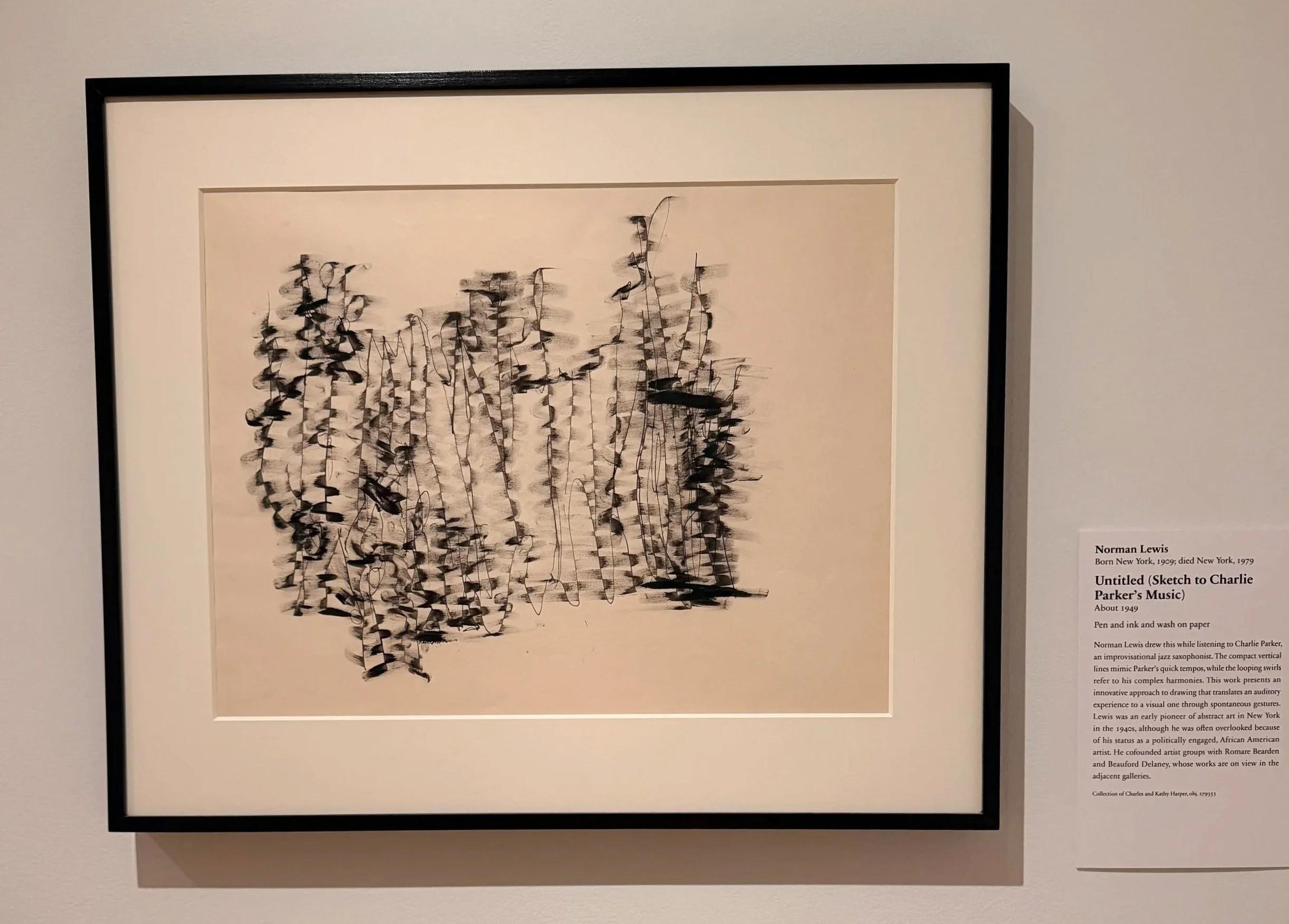
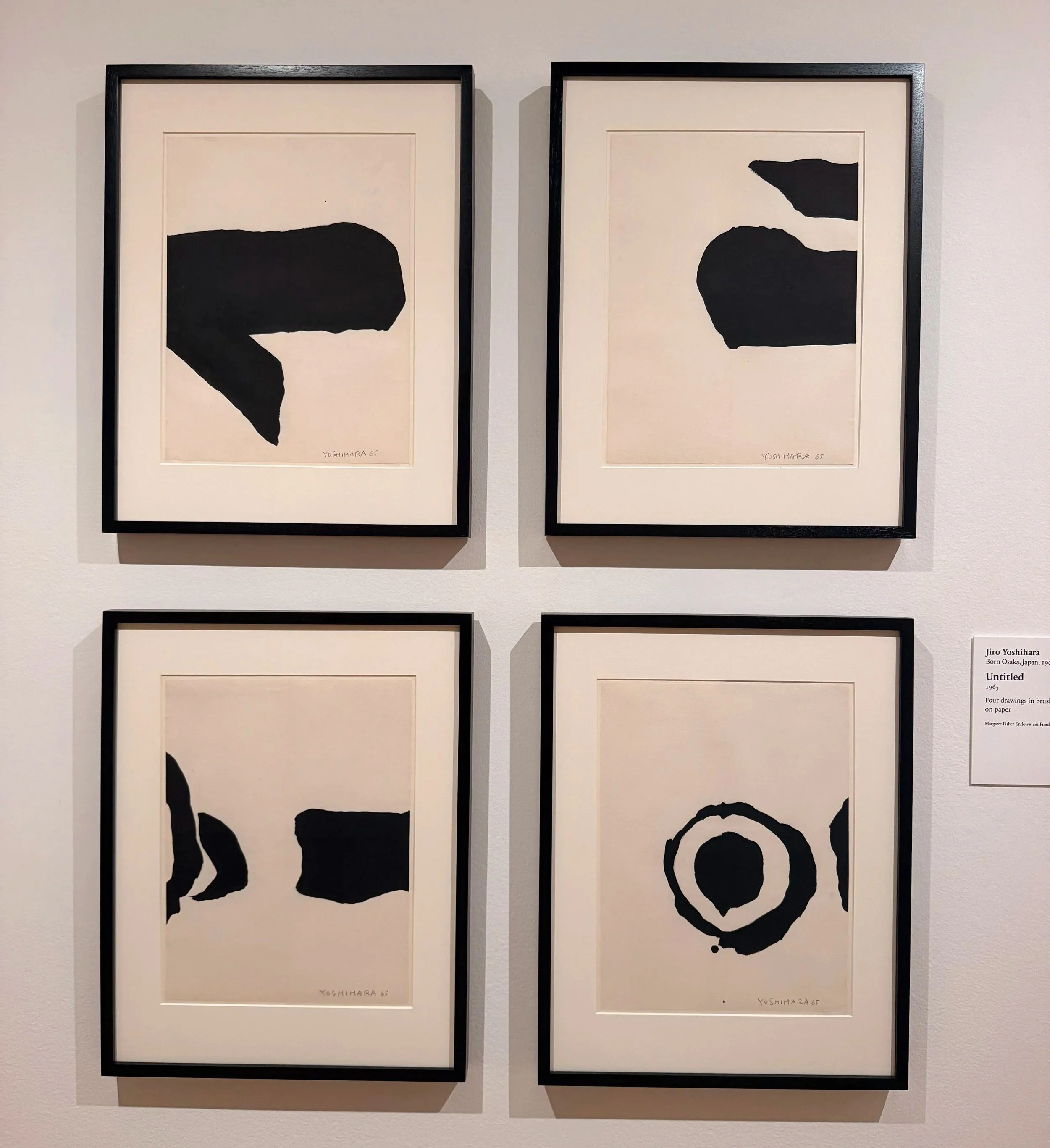

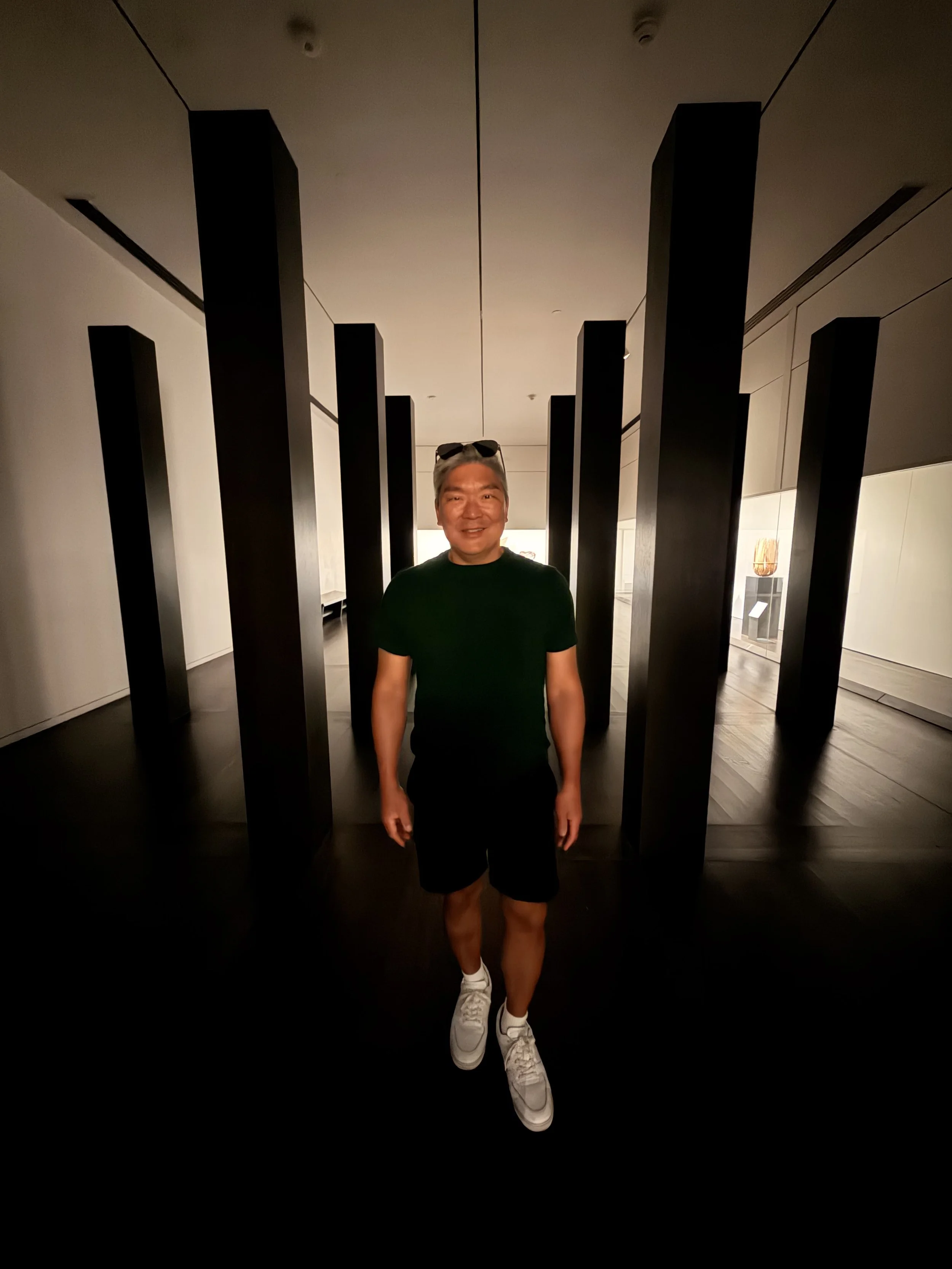
The Ando Gallery
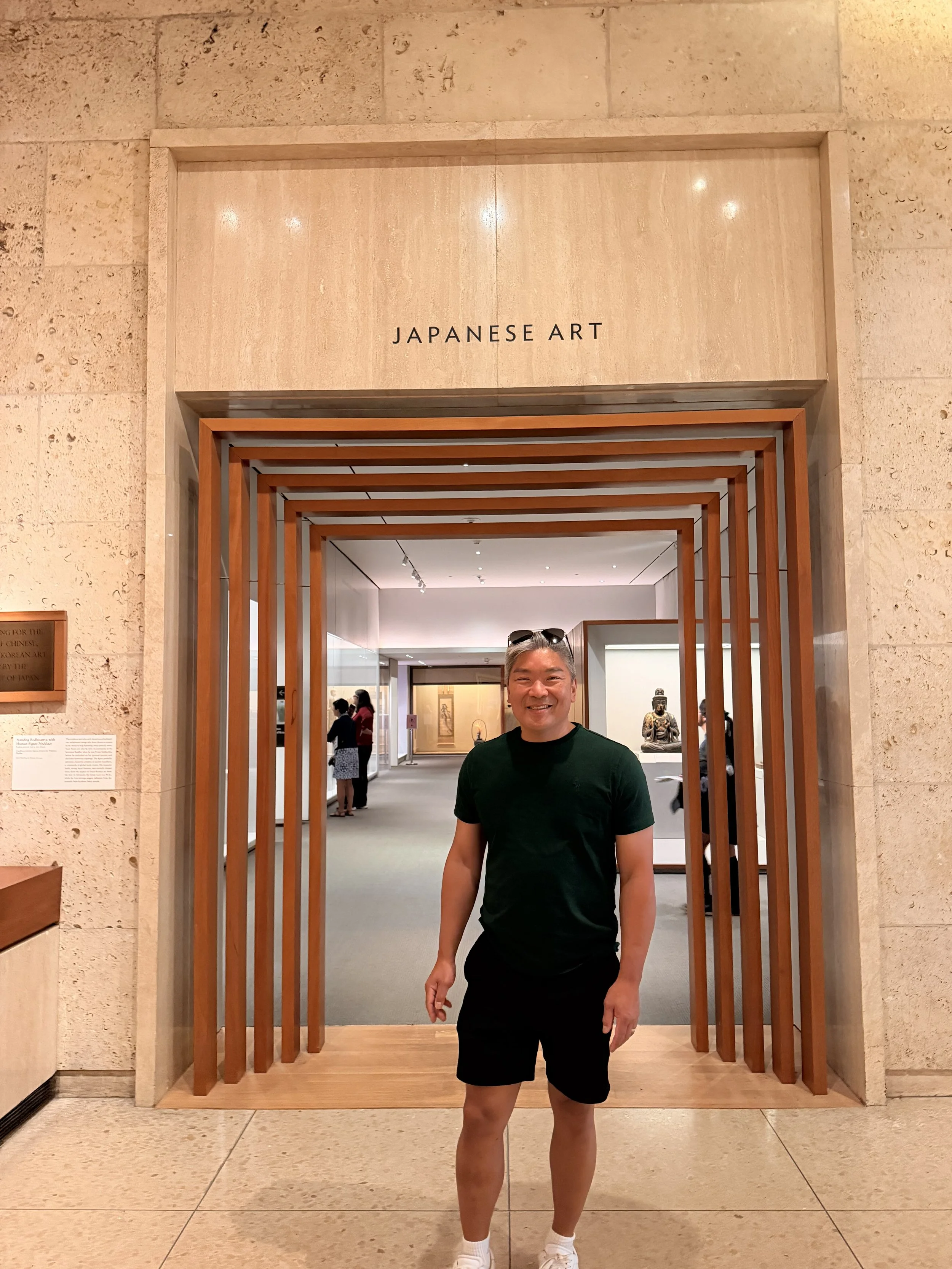
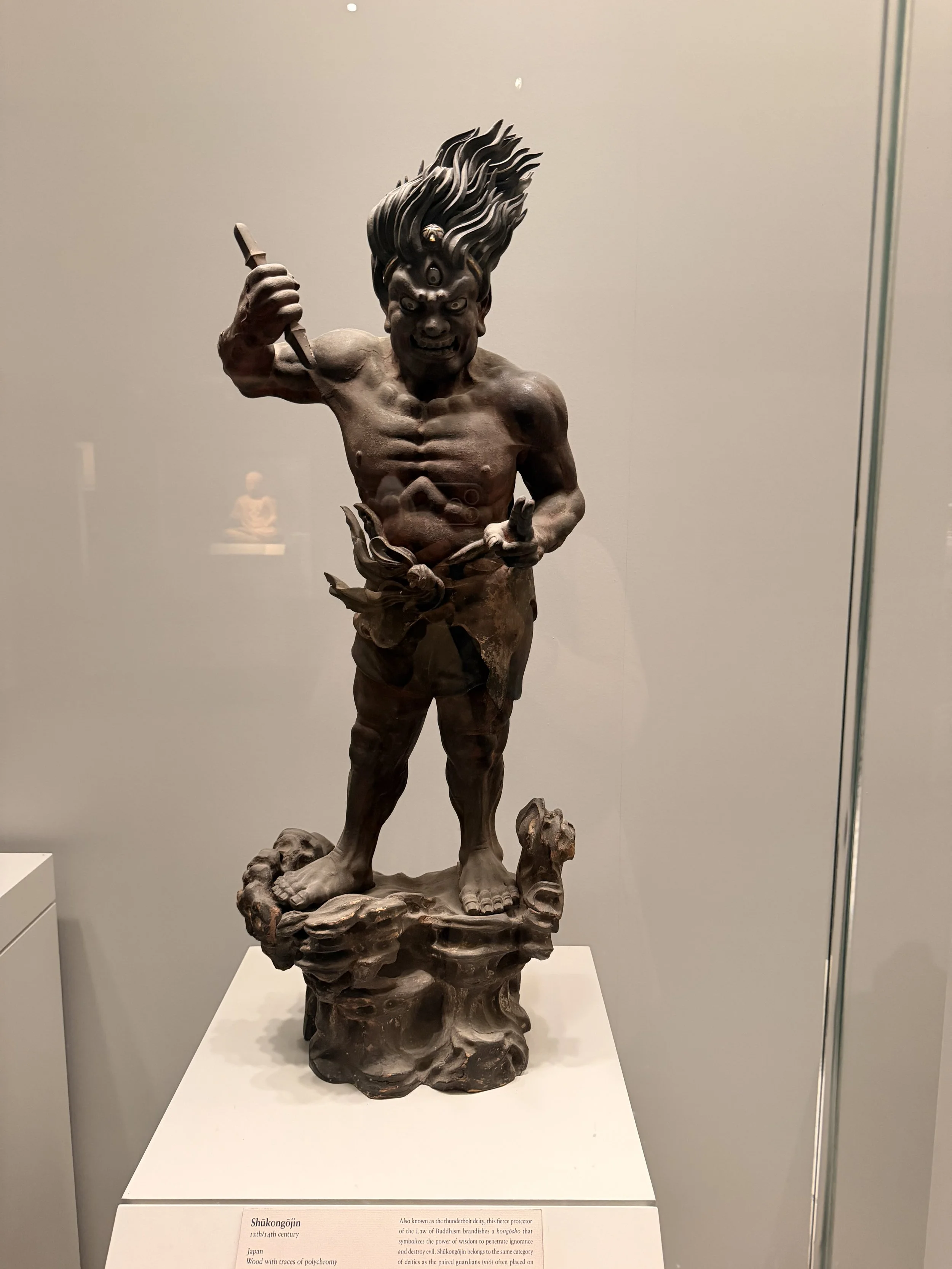
One of the spaces that really stood out to us was the Ando Gallery, designed by renowned Japanese architect Tadao Ando. Entering the gallery feels like stepping into a completely different atmosphere—quiet, minimalist, and almost meditative. Sixteen dark wooden pillars create a striking forest-like arrangement, framing the Japanese screens displayed beyond them. The simplicity of the architecture allows the artwork to take center stage while creating a sense of calm that feels surprisingly removed from the energy of downtown Chicago. It’s easy to walk past a gallery without realizing how special the space itself is, so we were especially glad we took the time to enter the Ando Gallery. It was absolutely worth stopping for a few quiet moments.
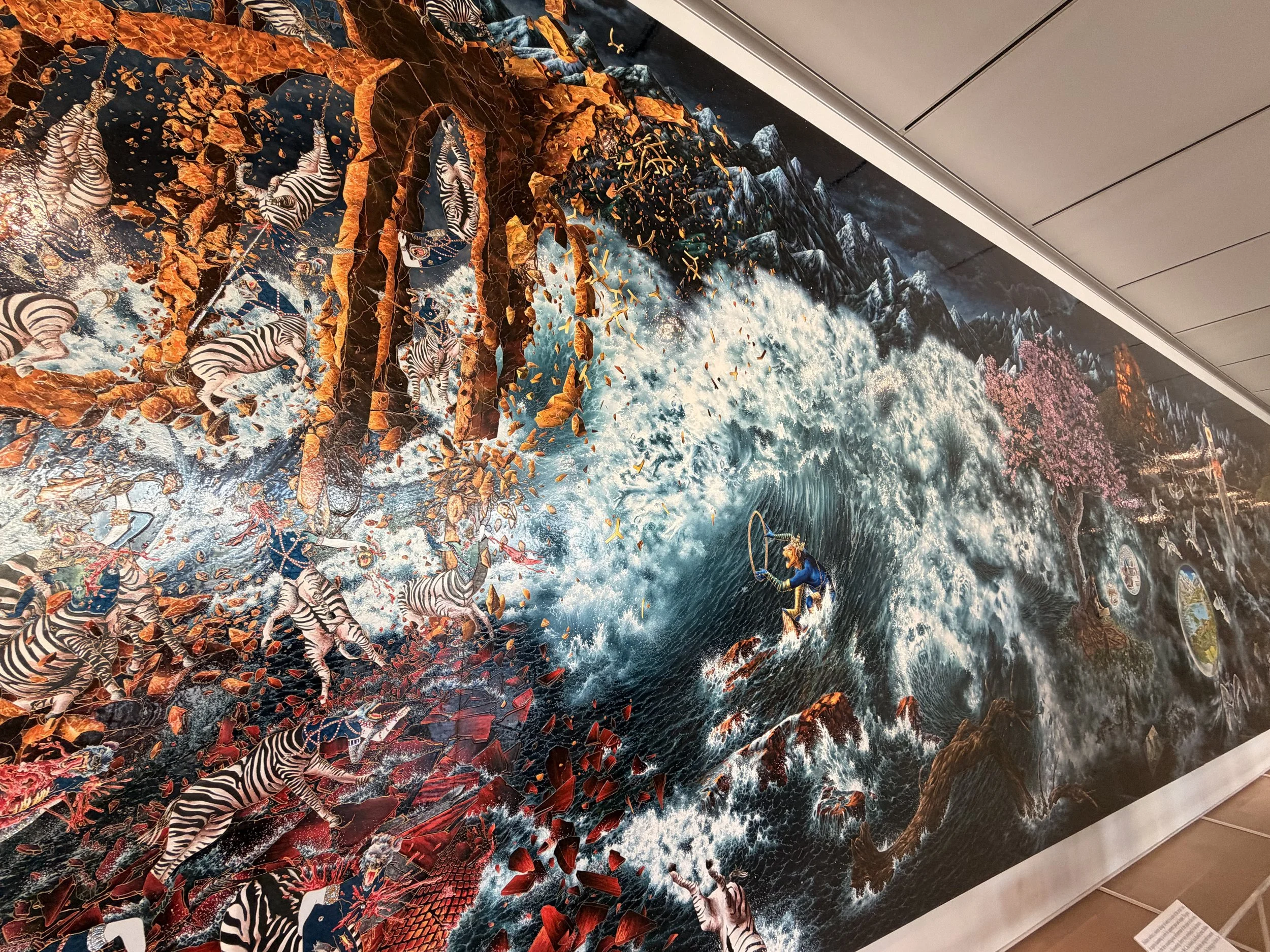
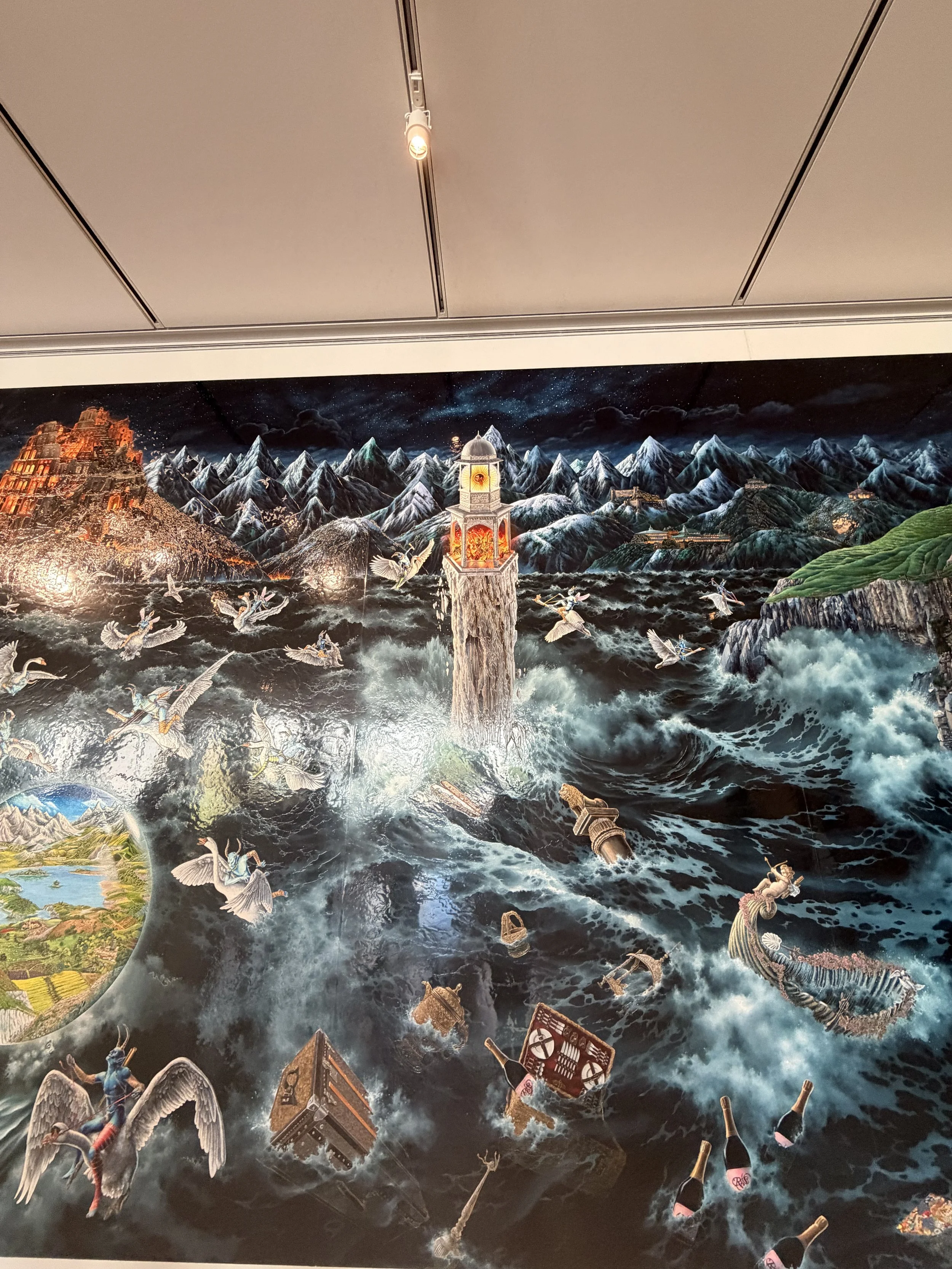
Raqib Shaw: Paradise Lost
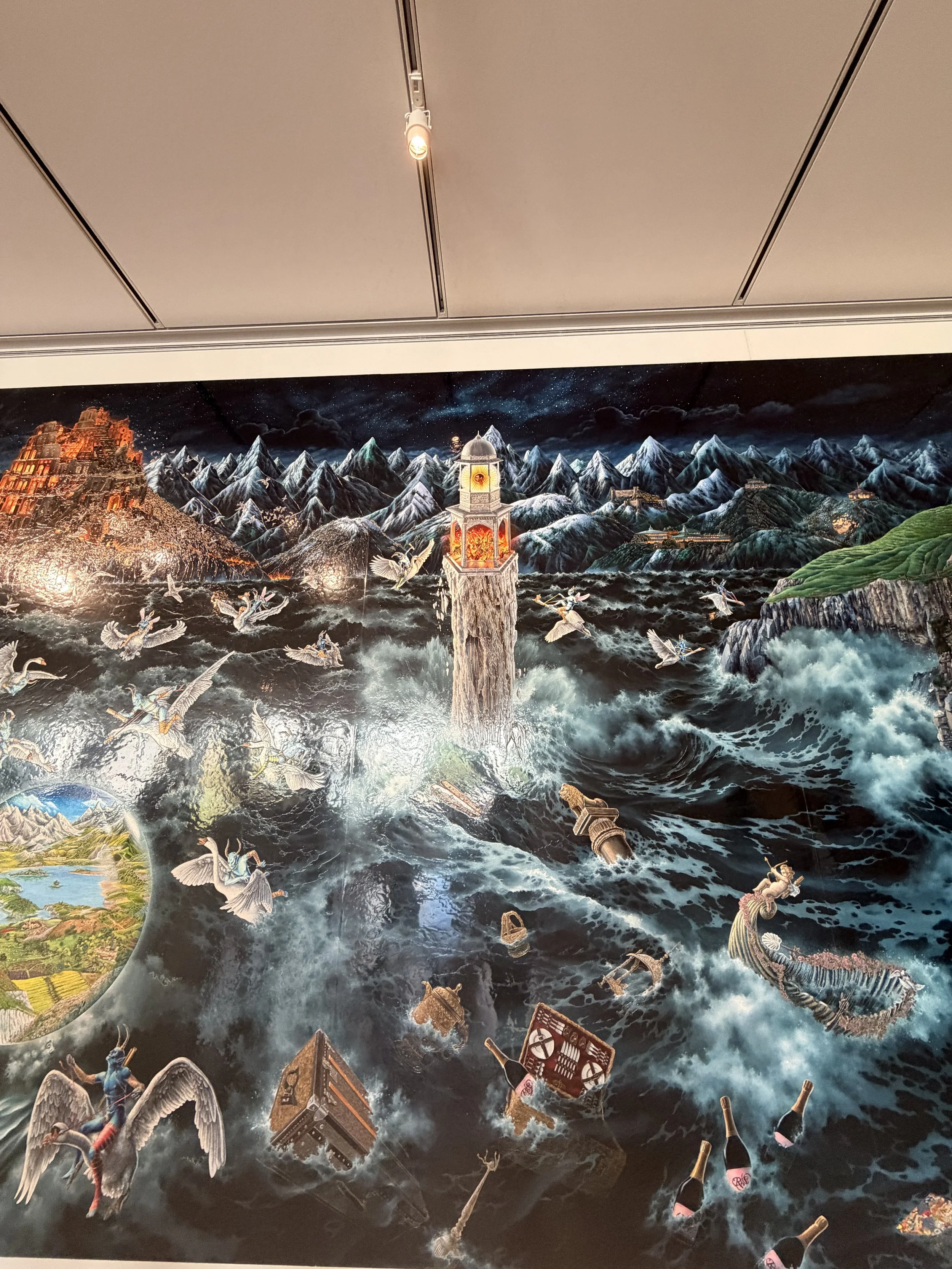
One of the most unforgettable works we encountered at the Art Institute was Raqib Shaw’s Paradise Lost. Stretching more than 100 feet across 21 panels, this monumental work is almost overwhelming in its scale—and then you begin to look closely and realize just how much is happening within every inch. Shaw, who was born in Calcutta and raised in Kashmir, draws on his memories of childhood, exile, identity, and transformation, creating a fantastical world filled with mythical creatures, lush landscapes, collapsing kingdoms, and intricate symbolism.
What makes the piece especially fascinating is the incredible detail. Shaw created the work using industrial enamel paints, applying them with extremely fine tools and even a porcupine quill to achieve its jewel-like surface. Take your time with this one—step back to appreciate the enormous composition, then move closer and look for the tiny details and hidden stories. It is the kind of artwork that rewards you every time you look at it.
Things to Think About While Looking at the Art
What catches your eye first? Notice the color, subject, composition, or detail that immediately draws you in.
How does the artwork make you feel? Consider the emotions or memories it brings up, even if you don’t know anything about the piece.
What story is being told? Look closely at the people, setting, objects, and expressions for clues.
Why did the artist create it? Think about the time period, culture, politics, or personal experiences that may have influenced the work.
How does the technique affect the artwork? Pay attention to brushstrokes, texture, light, scale, and materials.
What details might you miss at first glance? Take a moment to look closer—you may notice something completely different.
Does your interpretation change the longer you look? Sometimes the meaning of a piece evolves as you spend more time with it.
Would you want to live with it? A fun question to ask, especially when you find a piece you really love!