Two Weeks Until Thanksgiving: Your Complete Guide to Preparing for a Memorable Holiday Gathering
Thanksgiving has a way of arriving faster than we expect. One minute, we're enjoying the last days of autumn, and the next we're thinking about grocery lists, dinner menus, overnight guests, table settings, and how we're going to fit everyone around the dining room table.
With Thanksgiving 2 weeks away, now is the perfect time to start preparing. Whether you're hosting an intimate dinner for a few close friends, welcoming extended family for a traditional celebration, or planning a larger gathering with guests coming and going throughout the day, getting organized two weeks ahead can make an enormous difference.
The secret to a successful Thanksgiving isn't necessarily an elaborate menu, expensive decorations, or a perfectly styled table. It's having a plan. A little preparation now means fewer last-minute errands, less time spent in the kitchen on Thanksgiving morning, and more opportunities to enjoy the people you've invited into your home.
The good news is that you don't have to do everything at once. Many of the most important tasks can be completed well before Thanksgiving Day, from confirming your guest list and planning the menu to preparing your home, checking serving dishes, and stocking the pantry.
Here's how to spend the next two weeks getting ready for Thanksgiving, with practical ideas for gatherings of every size.
1. Start With Your Guest List and Thanksgiving Plans
Before you begin shopping or planning the menu, establish exactly what kind of gathering you're hosting.
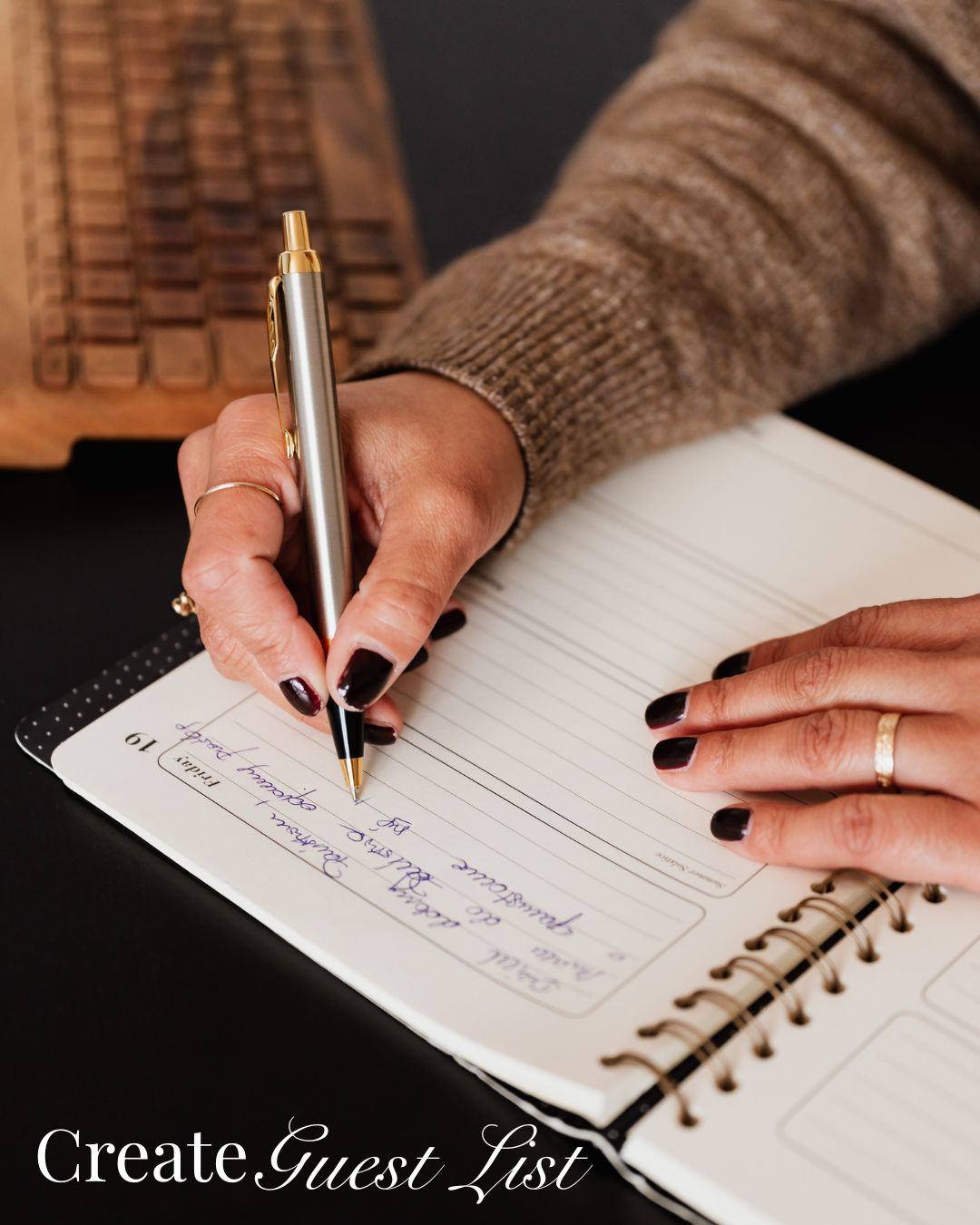
A dinner for four requires a different approach than a Thanksgiving celebration for twenty. Knowing how many people are coming will help determine how much food you need, how much seating is available, and whether you'll need additional serving dishes, glassware, or help from guests.
Start by confirming your guest list.
If you haven't already received responses, reach out to anyone who hasn't confirmed. It's perfectly reasonable to ask guests to RSVP by a specific date, especially when you're responsible for preparing the meal.
Consider a few questions:
How many adults and children will be attending?
Will anyone be staying overnight?
Does anyone have dietary restrictions or food allergies?
Are there guests who follow vegetarian, vegan, or gluten-free diets?
Will anyone be bringing a dish?
Are guests arriving at the same time, or will people be stopping by throughout the afternoon?
These details will influence almost every other decision.
Decide What Kind of Thanksgiving You Want to Host
Not every Thanksgiving needs to look the same.
Some people love the traditional family dinner, complete with a roasted turkey, homemade stuffing, mashed potatoes, gravy, and several desserts. Others prefer a more relaxed gathering with a smaller menu, a few shared dishes, and plenty of time around the table.
There is no reason to create unnecessary work for yourself.
For a large gathering, consider a buffet-style dinner. It allows guests to serve themselves, accommodates different appetites, and reduces the pressure of having enough room for everyone at one dining table.
For a smaller gathering, a seated dinner can feel especially inviting. You can spend more time on the details, serve food family-style, and create a more intimate atmosphere.
You might also consider a Thanksgiving potluck. Asking guests to contribute a favorite appetizer, side dish, or dessert can make the celebration more collaborative without taking away from the experience of hosting.
The important thing is to establish your plan now so that the next two weeks have some structure.
2. Plan Your Thanksgiving Menu
Two weeks before Thanksgiving is the ideal time to finalize your menu.
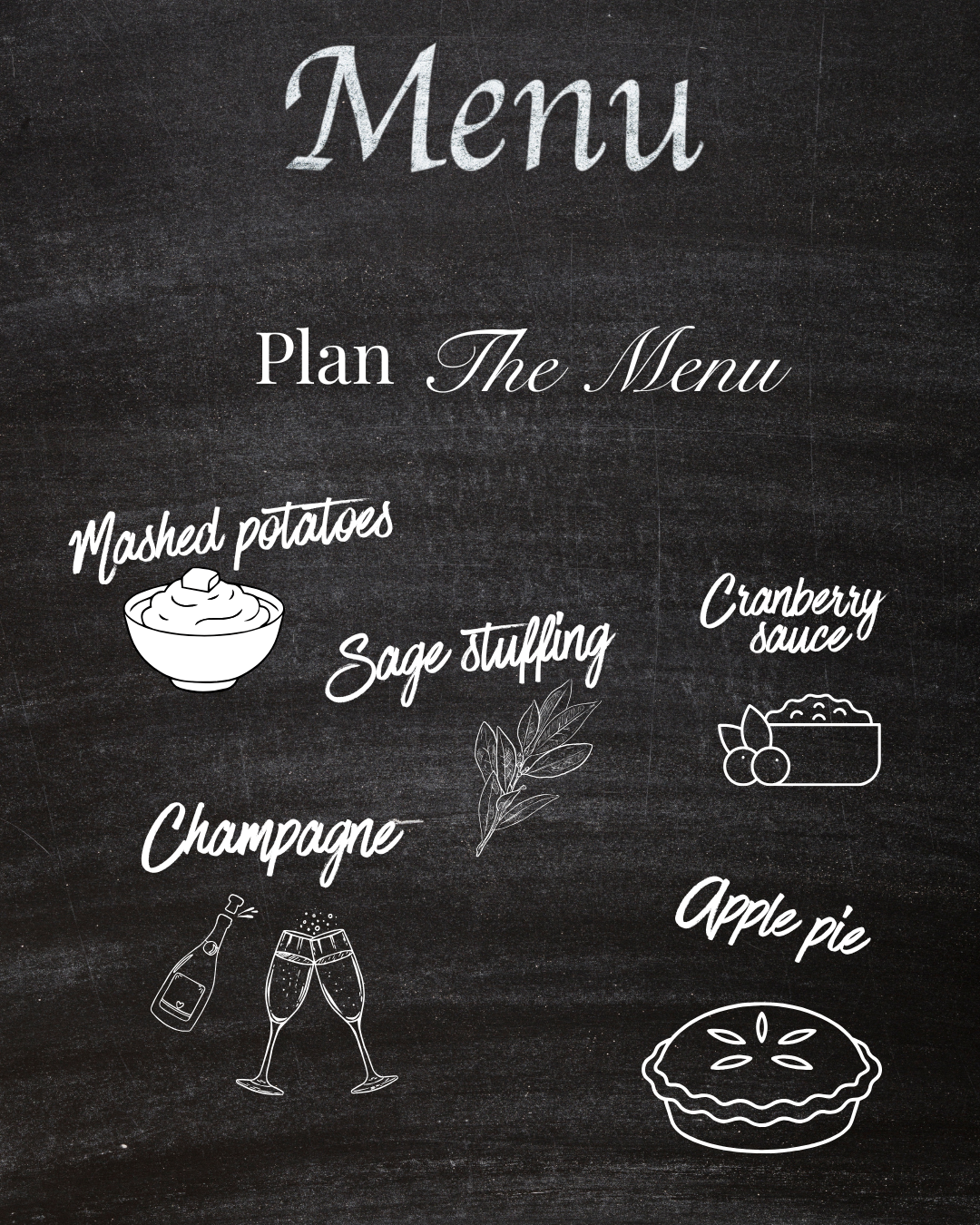
One of the biggest mistakes hosts make is waiting too long to decide what they're serving. Without a menu, grocery shopping becomes less organized, ingredients get forgotten, and the number of dishes being prepared can quickly become overwhelming.
Start by writing down everything you'd like to serve, then edit the list.
You don't need twelve side dishes to create a memorable Thanksgiving dinner. A thoughtfully planned menu with a few excellent dishes is often more enjoyable than an enormous spread that leaves everyone exhausted.
Begin With the Main Course
For a traditional Thanksgiving, the turkey is usually the centerpiece.
If you're serving turkey, determine the approximate size you'll need based on your guest count and whether you want leftovers.
A general guideline is approximately 1 to 1½ pounds of whole turkey per person. If your guests love leftovers or you want enough meat for sandwiches and additional meals, plan toward the higher end.
If you're serving a smaller gathering, consider purchasing a turkey breast rather than a whole bird. It takes up less refrigerator space, cooks more quickly, and can be easier to manage.
For guests who don't eat meat, consider an alternative main course. A stuffed squash, mushroom Wellington, lentil loaf, or vegetable pot pie can make an excellent centerpiece.
For a vegan Thanksgiving, the main dish might be a roasted stuffed pumpkin, savory mushroom and lentil Wellington, or a hearty vegetable-based roast.
The goal is to have a main course that feels substantial and gives the meal a focal point.
Build a Balanced Side-Dish Menu
Thanksgiving side dishes are often everyone's favorite part of the meal.
Rather than choosing dishes randomly, think about variety. You want a balance of textures, flavors, colors, and temperatures.
A well-rounded menu might include:
Something green
Roasted Brussels sprouts
Green beans with toasted almonds
Sautéed spinach
Kale salad with apples and toasted pecans
Something starchy
Mashed potatoes
Sweet potato casserole
Roasted fingerling potatoes
Butternut squash gratin
Something savory
Traditional stuffing
Wild rice with mushrooms
Roasted root vegetables
Mushroom gravy
Something fresh
Cranberry-orange relish
Autumn salad with pears and walnuts
Shaved Brussels sprouts salad
Roasted beet salad
Something comforting
Homemade rolls
Cornbread
Biscuits
A savory vegetable gratin
For a smaller dinner, choose three or four sides. For a larger gathering, five or six options may make sense, especially if guests are contributing dishes.
Remember that many Thanksgiving dishes are filling. You don't need several variations of potatoes, bread, and stuffing unless those are the dishes your guests particularly enjoy.
Don't Forget Appetizers
Appetizers are especially helpful if guests arrive before dinner.
Thanksgiving meals often involve a period of socializing while the main course finishes cooking. Having a few things available gives everyone something to enjoy without spoiling their appetite.
Consider a simple appetizer spread:
A seasonal vegetable platter with hummus
Olives and marinated vegetables
Roasted nuts
A cheese board with crackers and fruit
Stuffed mushrooms
Crostini with seasonal toppings
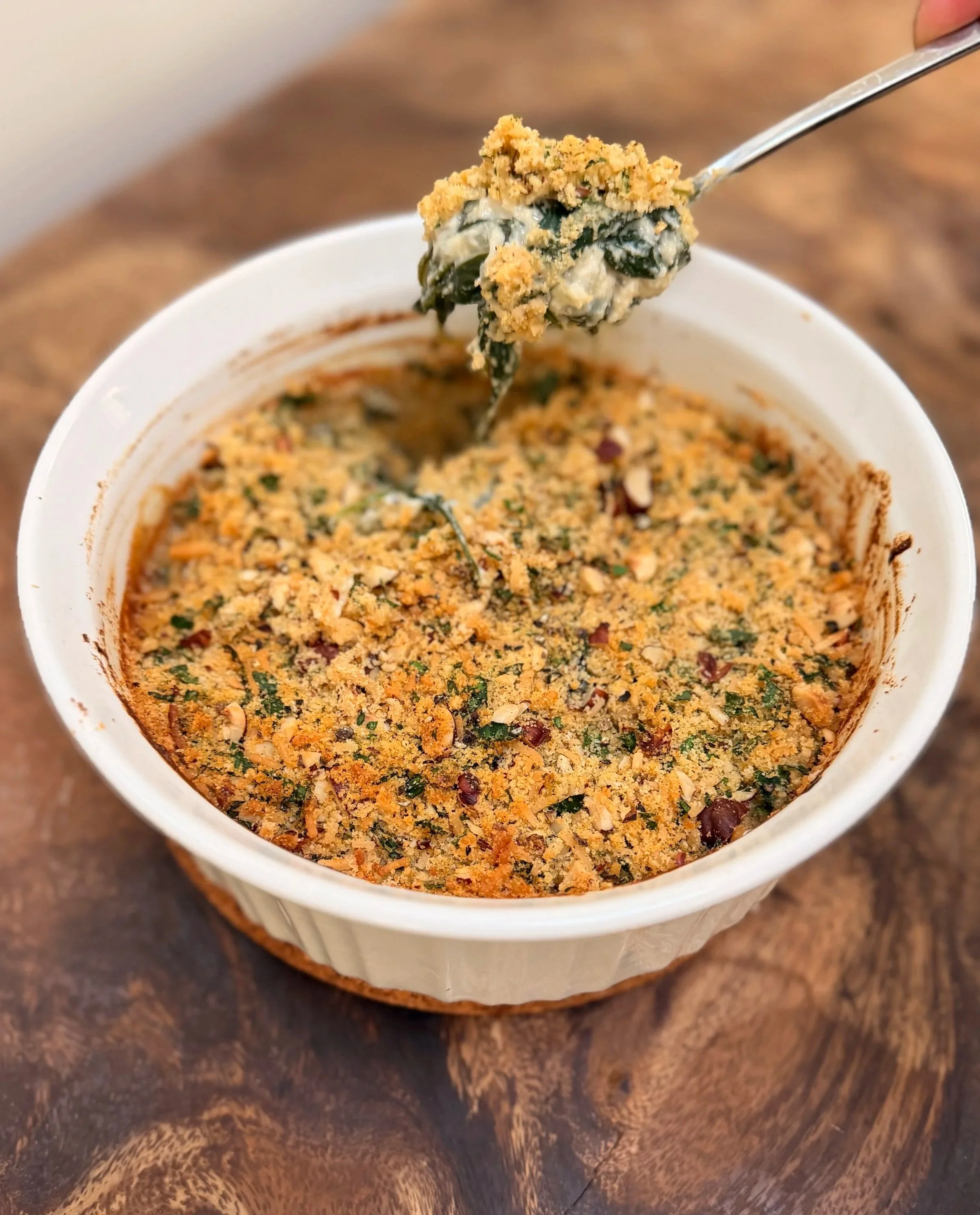
A warm spinach dip
Pear slices with a savory spread
For a larger group, arrange appetizers on a separate table or kitchen counter so guests can help themselves.
For an intimate gathering, a single beautiful board or a few small plates are more than enough.
Plan Dessert Now
Dessert deserves its own place in your Thanksgiving plan.
Pumpkin pie and apple pie are classics, but there are plenty of ways to offer something different.
Consider:
Classic pumpkin pie
Apple crumble
Pecan pie
Pear tart
Vegan chocolate mousse
Pumpkin cheesecake
Apple cake with cinnamon
Cranberry-orange loaf cake
If you're hosting guests with dietary restrictions, plan at least one dessert everyone can enjoy.
You can also simplify dessert by offering two options instead of an elaborate assortment. A homemade pie and a seasonal cake can be a lovely combination.
Plan the Drinks
Drinks are easy to overlook when concentrating on the food.
Think about what you'll serve before dinner, during the meal, and afterward.
For pre-dinner drinks, consider:
Sparkling wine or Champagne
A seasonal cocktail
A nonalcoholic sparkling drink
Sparkling water with citrus
Apple cider
For dinner, offer water, wine, and perhaps a nonalcoholic option that feels equally special.
Coffee and tea should be available after dessert.
If you're serving wine, consider whether you want to offer one white and one red rather than several bottles. A sparkling wine is also a festive way to begin the celebration.
Don't forget ice, lemons, limes, mixers, cocktail napkins, and enough glassware.
3. Take Inventory Before You Go Shopping
Before buying anything, spend some time checking what you already have.

This is particularly important when hosting a large gathering. It's easy to purchase duplicate ingredients or discover that you don't have enough of something essential.
Go through your pantry, refrigerator, freezer, and kitchen cabinets.
Check your supplies of:
Flour and baking ingredients
Sugar and alternative sweeteners
Olive oil and cooking oils
Salt, pepper, and spices
Vegetable or chicken stock
Canned pumpkin
Cranberries
Nuts and dried fruit
Rice, pasta, and grains
Coffee and tea
Aluminum foil
Parchment paper
Plastic wrap
Food storage containers
Paper towels and napkins
Next, check your cooking equipment.
Do you have a roasting pan large enough for your turkey? Do you have a meat thermometer? Are your baking dishes in good condition? Do you have enough sheet pans to roast vegetables while other dishes are cooking?
If you're making several dishes, consider how much oven space you have.
This is particularly important because Thanksgiving cooking often involves multiple dishes that need different oven temperatures.
A little planning now can prevent a surprising amount of frustration later.
4. Create Your Grocery Shopping Strategy
With two weeks remaining, divide your grocery shopping into stages.
You don't need to buy everything at once, and buying perishable ingredients too early can create unnecessary problems.
A good strategy is to purchase pantry staples and long-lasting ingredients first, followed by fresh produce, dairy or plant-based alternatives, and specialty ingredients closer to Thanksgiving.
Shop for Nonperishables First
This is the time to purchase ingredients that can be stored safely until the holiday.
Examples include:
Canned pumpkin
Cranberry sauce ingredients
Flour
Sugar
Nuts
Dried cranberries
Rice
Pasta
Stock
Canned beans
Spices
Olive oil
Crackers
Shelf-stable plant-based milk
Coffee and tea
Buying these items early also gives you time to locate specialty ingredients that might be difficult to find closer to the holiday.
Purchase Frozen Items
If you're purchasing a frozen turkey, check its weight and plan the refrigerator thawing schedule carefully.
A frozen turkey requires approximately 24 hours of refrigerator thawing for every four to five pounds. A large turkey may need several days.
For example, a 16-pound turkey generally requires approximately four days to thaw in the refrigerator.
If you're hosting on Thursday, November 26, a 16-pound frozen turkey should generally move from the freezer to the refrigerator by Sunday, November 22.
Always keep the turkey in its original wrapping, place it in a tray to catch any liquid, and thaw it in the refrigerator rather than at room temperature.
If you purchase frozen desserts, bread, or vegetables, check freezer space now.
Shop for Fresh Ingredients Later
Some ingredients are best purchased closer to Thanksgiving.
These include:
Fresh herbs
Salad greens
Mushrooms
Berries
Fresh bread
Delicate vegetables
Fresh fruit
Specialty bakery items
Make a separate shopping list for the week of Thanksgiving.
This keeps your initial shopping trip manageable and helps ensure that fresh ingredients are actually fresh when you need them.
Consider Grocery Delivery or Pickup
If you're hosting a large group, grocery delivery or pickup can save valuable time.
However, holiday grocery delivery slots can become limited, so book a convenient time in advance.
You may also want to place orders for specialty items, bakery products, and beverages early.
For anything particularly important to your menu, avoid relying on a last-minute grocery run.
5. Organize Your Kitchen for Thanksgiving Cooking
Your kitchen is going to be the center of activity, so spend some time getting it ready.

Start by clearing countertops and removing appliances or objects you won't need.
Clean out the refrigerator and freezer. Throw away expired items, consolidate containers, and make room for the ingredients and prepared dishes you'll need to store.
Think about where everything will go.
Designate one area for food preparation, another for drinks, and another for serving dishes if you have the space.
If guests tend to gather in the kitchen, consider creating a separate beverage station so that people aren't standing in front of the refrigerator or blocking the cooking area.
Check Your Cooking Equipment
Make a list of everything you'll need:
Roasting pan
Baking sheets
Casserole dishes
Saucepan and stockpot
Mixing bowls
Cutting boards
Sharp knives
Vegetable peeler
Measuring cups and spoons
Whisk and wooden spoons
Serving platters
Gravy boat
Meat thermometer
Kitchen towels
Oven mitts
Cooling racks
If you discover that you need something, now is the time to borrow or purchase it.
For a large gathering, don't underestimate the importance of serving utensils. Having enough spoons, tongs, ladles, and forks makes serving much easier.
Create a Thanksgiving Cooking Schedule
Write down the dishes you're preparing and how long each one takes.
Note which dishes can be cooked in advance, which need refrigeration, and which must be finished on Thanksgiving Day.
For example:
DishPreparationCranberry sauceMake aheadPie crustMake aheadPumpkin pieBake aheadVegetable gratinAssemble aheadMashed potatoesPrepare close to servingRoasted vegetablesRoast on ThanksgivingSaladAssemble shortly before servingGravyPrepare or finish on Thanksgiving
A schedule will help you understand how much work remains on the actual holiday.
6. Prepare Your Home for Guests
Thanksgiving is as much about hospitality as it is about food.
If you're welcoming people into your home, take a little time to think about what their experience will be like from the moment they arrive.
You don't need to redecorate your house or undertake a major cleaning project. Focus on the areas guests will actually use.
Start with:
Entryway
Living room
Dining room
Kitchen
Guest bathroom
Guest bedrooms, if applicable
Clear unnecessary clutter, vacuum, dust, clean mirrors, and make sure there is enough space for guests to sit comfortably.
If you're expecting a large group, think about where coats, bags, and shoes will go.
A coat rack, a few extra hangers, or a designated bedroom can make a big difference.
Pay Attention to the Guest Bathroom
A clean and well-stocked bathroom is one of those small details that guests notice.
Check that you have:
Clean hand towels
Extra toilet paper
Hand soap
Hand lotion
A small wastebasket
A clean mirror
A fresh room
A small candle or subtle seasonal accent, if desired
It's also helpful to have extra towels available if guests are staying overnight.
Make Room for Everyone
If you're hosting a large gathering, seating may require some creativity.
Consider whether you need:
Additional dining chairs
Folding chairs
A folding table
Extra cushions
A separate children's table
A buffet table
Additional side tables
You don't need matching furniture for everything. A comfortable, functional arrangement is more important than making every seat look identical.
For an intimate gathering, consider moving furniture slightly to create a more comfortable conversation area.
The goal is to make people feel welcome rather than crowded.
7. Think About Your Thanksgiving Table
The Thanksgiving table is one of the most enjoyable parts of preparing for the holiday.
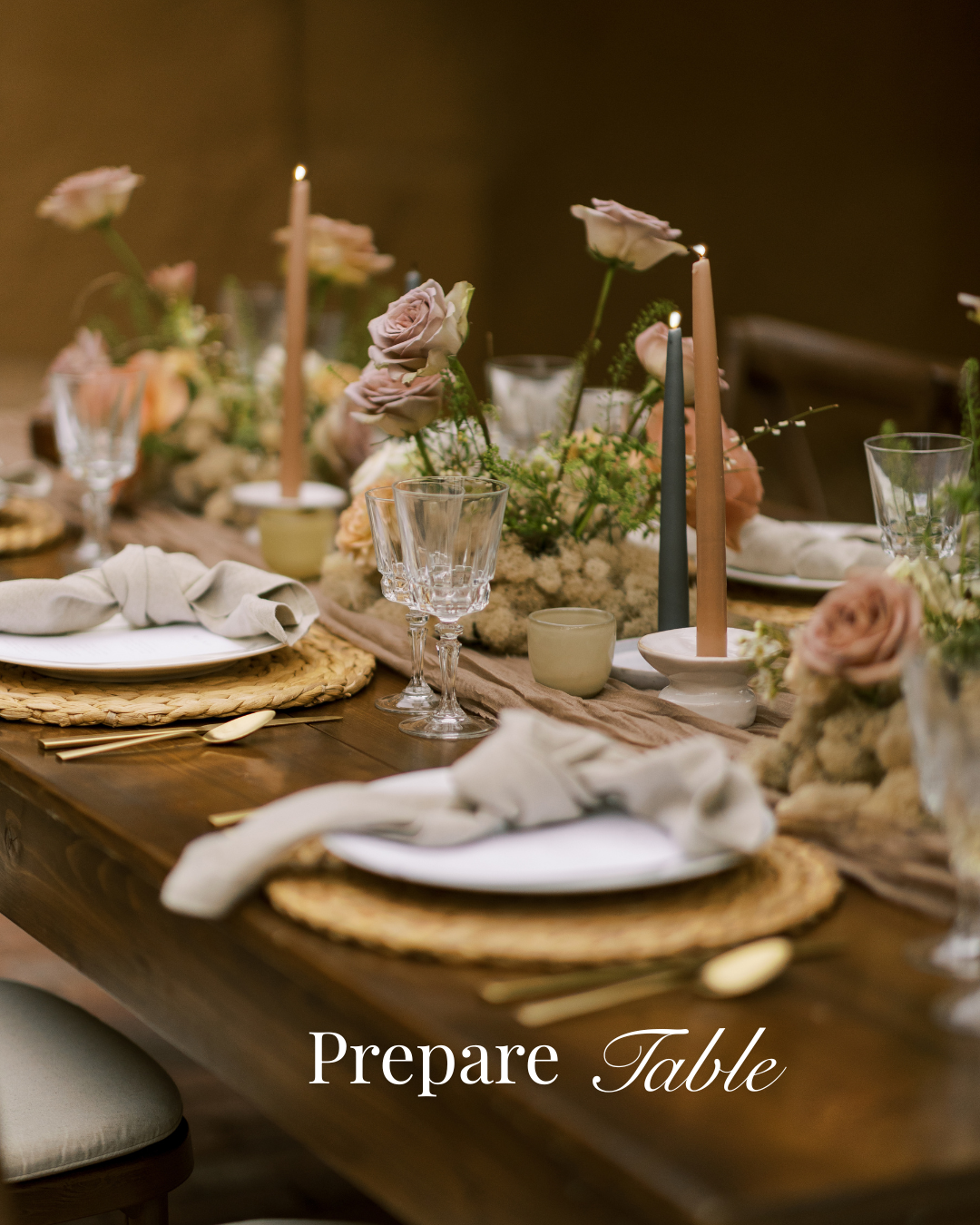
You have two weeks to decide how you want it to look, gather what you need, and put everything together without rushing.
You don't need an elaborate tablescape. A few thoughtful details can create a beautiful setting.
Choose a Seasonal Color Palette
Autumn naturally provides a beautiful color palette.
Consider combining:
Cream and ivory
Warm neutrals
Deep brown
Muted greens
Burgundy
Burnt orange
Gold or brass accents
For a more understated look, use neutral linens and natural elements, with a few seasonal touches.
A cream tablecloth, simple ceramic plates, linen napkins, and brass candlesticks can look elegant without feeling overly formal.
For something more rustic, use a natural linen runner, wooden serving boards, seasonal fruit, and branches of greenery.
Use Natural Decorations
Some of the best Thanksgiving decorations can come directly from nature.
Consider incorporating:
Small pumpkins
Gourds
Pears
Apples
Pomegranates
Pinecones
Autumn leaves
Eucalyptus
Olive branches
Seasonal flowers
A low centerpiece is generally preferable to a tall arrangement because it allows guests to see one another across the table.
You can also create a simple runner using greenery, small pumpkins, and candles.
Don't Forget Lighting
Lighting has an enormous impact on the atmosphere.
If your gathering extends into the evening, consider using warm lamps, candles, and dimmer lighting rather than relying entirely on overhead lights.
Candles create a welcoming atmosphere, but keep them away from greenery, curtains, and anything flammable.
If you have children or pets around, consider battery-operated candles.
Set the Table in Advance
One of the easiest ways to reduce Thanksgiving Day stress is to set the table the evening before.
You can arrange plates, silverware, glasses, napkins, and place cards ahead of time.
If you're hosting a large gathering, label each place setting and decide where everyone will sit.
This also gives you an opportunity to see whether you have enough of everything.
If you're short on matching dinnerware, don't worry. A mix of beautiful plates and glassware can look intentional and interesting.
8. Make a Plan for Overnight Guests
If family or friends are traveling for Thanksgiving, preparing guest accommodations should be part of your two-week checklist.

Think about what guests will need during their stay.
A comfortable guest room doesn't need to be elaborate.
Make sure you have:
Freshly washed sheets
Clean blankets
Extra pillows
Fresh towels
A bedside lamp
A place to charge phones
Hangers or closet space
A small wastebasket
A mirror
Basic toiletries
If guests are staying several nights, consider providing a little space for their belongings rather than expecting them to live out of their suitcases.
You can also prepare a small welcome basket with bottled water, snacks, coffee or tea, and a few toiletries.
Consider the Morning After
Thanksgiving doesn't end when dinner is over.
If guests are staying overnight, think about breakfast for the following morning.
You could prepare:
Coffee and tea
Fresh fruit
Bagels or toast
Oatmeal
Yogurt
Pastries
A simple breakfast casserole
You don't need to prepare another elaborate meal.
A relaxed breakfast with coffee and leftovers is often exactly what everyone wants.
9. Decide What You Can Make Ahead
One of the most effective ways to enjoy Thanksgiving is to move as much preparation as possible out of Thanksgiving Day.
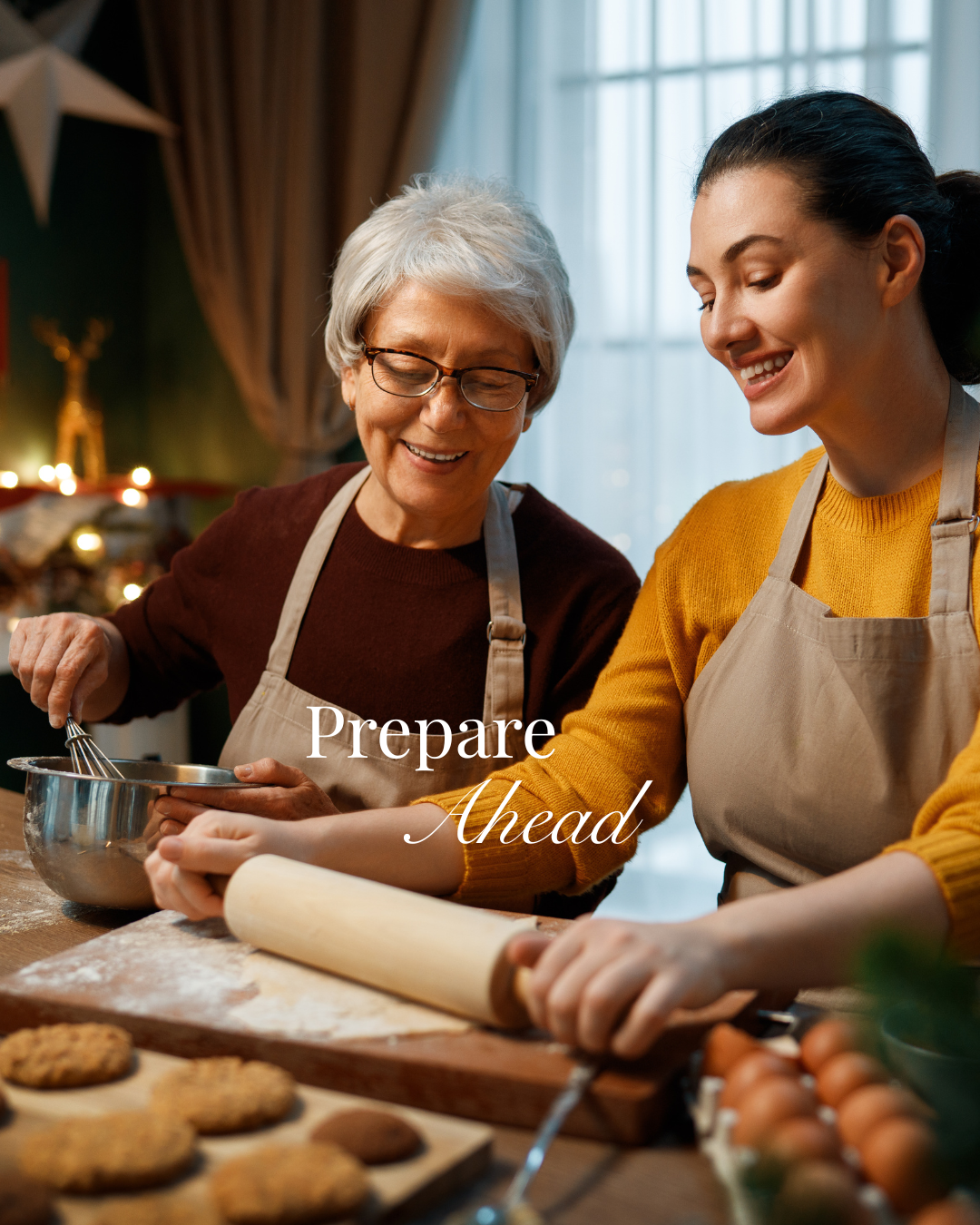
Many dishes can be made ahead without compromising quality.
In fact, some foods taste better after their flavors have had time to develop.
Two Weeks Ahead
Some preparation can begin now:
Finalize recipes.
Purchase pantry ingredients.
Make and freeze pie dough.
Prepare a guest list and seating plan.
Order specialty ingredients.
Check kitchen equipment.
Confirm catering or bakery orders.
If you're making homemade vegetable stock, you can prepare and freeze it.
You can also freeze certain baked goods, depending on the recipe.
One Week Ahead
During Thanksgiving week, you can begin preparing more of the menu.
Good candidates include:
Cranberry sauce
Pie crusts
Pie fillings, depending on the recipe
Cookie dough
Vegetable stock
Salad dressings
Chopped nuts
Seasoning blends
Some casseroles
You can also wash and dry sturdy vegetables, organize ingredients, and label containers.
Two to Three Days Ahead
As Thanksgiving approaches, prepare dishes that store well.
Examples include:
Pumpkin pie
Apple pie
Cranberry sauce
Certain casseroles
Soup
Gravy base
Chopped vegetables
Desserts
For food safety, refrigerate perishable dishes promptly and keep your refrigerator at 40°F or below.
Don't leave cooked food sitting at room temperature for extended periods.
The Day Before Thanksgiving
The day before should be about finishing preparations, not starting from scratch.
You can:
Set the table.
Prepare appetizers.
Assemble casseroles.
Wash salad greens.
Prepare dressings.
Arrange serving dishes.
Organize beverages.
Chill wine and sparkling drinks.
Prepare desserts.
Set out kitchen equipment.
Review your cooking schedule.
The more you accomplish on Wednesday, the more relaxed Thursday will feel.
10. Create a Thanksgiving Day Timeline
Even the best menu can become stressful if everything needs to be cooked at the same time.
A timeline helps prevent this.
Start by identifying your planned dinner time.
If dinner is at 5:00 p.m., work backward from that time.
Determine when the turkey needs to go into the oven, when side dishes need to be reheated, and when appetizers should be served.
A simplified example might look like this:
Morning
Enjoy coffee and breakfast.
Begin cooking the main course according to its recipe.
Prepare any remaining vegetables.
Set up the beverage station.
Check the table.
Early afternoon
Finish preparing side dishes.
Prepare gravy.
Arrange appetizers.
Chill beverages.
Make sure serving dishes and utensils are ready.
One hour before dinner
Finish roasting vegetables.
Reheat prepared dishes.
Prepare salad.
Warm bread.
Transfer food to serving dishes.
Thirty minutes before dinner
Finish the main course.
Allow roasted meat to rest as appropriate.
Put out appetizers.
Welcome guests.
Enjoy a drink.
Dinner
Serve the meal.
Make sure everyone has what they need.
Enjoy the gathering.
After dinner
Clear the table.
Serve dessert and coffee.
Pack leftovers safely.
Leave the rest of the cleanup for later if possible.
This is only a starting point. Your actual schedule will depend on your menu, oven capacity, and number of guests.
For a large gathering, consider assigning one person to manage drinks and another to help with clearing dishes.
11. Don't Forget the Little Things That Make Hosting Easier
There are several small details that can make Thanksgiving significantly more comfortable for both hosts and guests.
Prepare a Beverage Station
Instead of having everyone ask you for drinks while you're cooking, create a self-service station.
Include:
Wine and sparkling wine
Water
Sparkling water
Nonalcoholic beverages
Glassware
Ice
Cocktail napkins
Bottle openers
A small waste container
This is particularly useful for larger gatherings.
Label Dishes
If guests have dietary restrictions, consider small labels identifying dishes.
You can note whether something is vegan, vegetarian, gluten-free, dairy-free, or contains nuts.
This is especially helpful when serving a buffet.
Have Containers Ready for Leftovers
Thanksgiving leftovers are part of the experience.
Purchase a supply of reusable or disposable food containers before the holiday.
Have foil, plastic wrap, and labels available.
If guests would like to take food home, you can prepare individual containers.
Remember to refrigerate leftovers within two hours and use shallow containers to cool food quickly.
Most cooked leftovers should be eaten within three to four days when properly refrigerated.
Plan for Trash and Recycling
This is particularly important for large gatherings.
Make sure you have enough trash bags, recycling space, and paper towels.
Empty the kitchen trash before guests arrive so that you're not dealing with an overflowing bin halfway through dinner.
12. Thanksgiving for a Small Gathering: Make It Personal
If you're hosting just a few people, resist the temptation to think that the occasion needs to be less special.

An intimate Thanksgiving can be one of the most enjoyable ways to celebrate.
With fewer guests, you can spend more time creating a menu that reflects everyone's preferences.
You might prepare a smaller main course, two or three excellent sides, and a homemade dessert.
Instead of a buffet, consider serving everything family-style.
Use your favorite dinnerware, light candles, and create a comfortable atmosphere.
You could also introduce a small tradition, such as asking everyone to share something they're grateful for or having guests bring a favorite Thanksgiving memory to the table.
For couples or very small households, a Thanksgiving dinner doesn't have to follow the traditional formula at all.
A beautiful roasted vegetable dish, homemade bread, a seasonal salad, and a bottle of wine can be every bit as meaningful as a traditional feast.
The important thing is to make the day feel intentional.
13. Thanksgiving for a Large Gathering: Think About Flow and Organization
When you're hosting a large group, organization becomes especially important.
The biggest challenge is often not preparing the food but managing the space.
Think about how guests will move through your home.
Where will they put their coats? Where will they sit before dinner? Where will drinks be served? Where will food be placed? Is there enough room for everyone to move comfortably?
Consider a Buffet
A buffet can be an excellent option for larger gatherings.
Arrange dishes in a logical order:
Dinner plates
Main course
Vegetables and side dishes
Sauces and gravy
Bread
Napkins and cutlery, if not provided at the table
Place beverages in a separate area to prevent congestion.
Make sure serving utensils are available for every dish.
Think About Seating
If you cannot seat everyone at one table, consider several smaller tables.
You can use the same linens, colors, flowers, and candles to create a cohesive look.
Children may enjoy having their own table, particularly if it gives adults more room to talk.
For very large gatherings, consider staggering dinner service slightly rather than trying to accommodate everyone in a single seating.
Delegate
You do not need to do everything yourself.
Ask guests to bring a dish, pour drinks, help with appetizers, or assist with cleanup.
If you have family members who enjoy cooking, give them a specific assignment.
Rather than asking someone to bring anything they want, suggest a category so that you don't end up with six desserts and no vegetables.
A little coordination goes a long way.
14. Don't Forget Children and Teenagers
If children or teenagers will be attending, consider how to make the gathering enjoyable for them too.
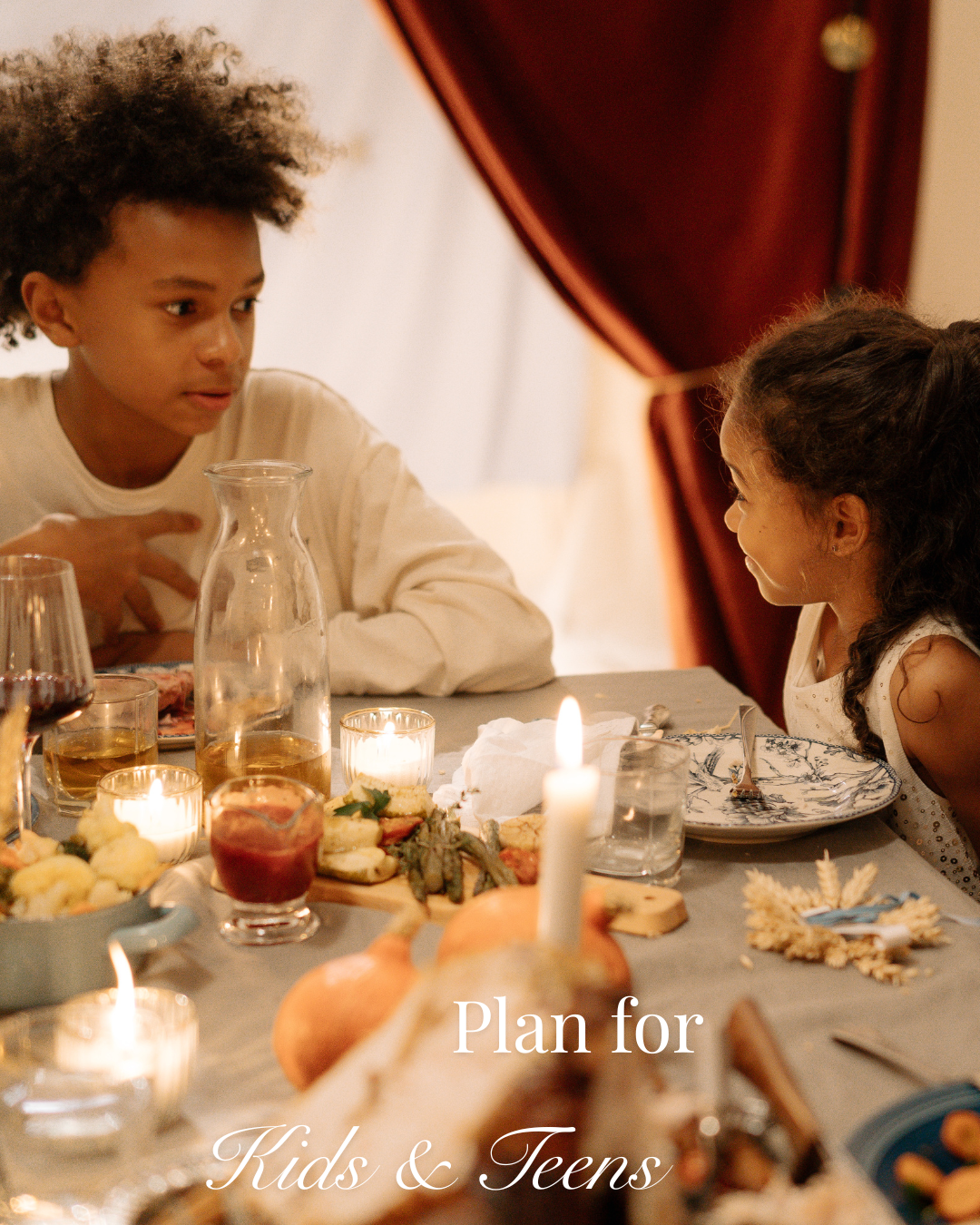
You don't need to organize an elaborate entertainment program.
Simple ideas include:
A separate children's table
Thanksgiving coloring sheets for younger children
Board games
A family football game
A Thanksgiving movie
A casual outdoor activity
A dessert decorating activity
Teenagers may appreciate having a little more independence, especially if several cousins or friends are attending.
If the weather allows, consider a walk, backyard football, or an outdoor activity before dinner.
For families with children, having a few snacks available before dinner can also help prevent everyone from becoming impatient while the meal is being prepared.
15. Plan for Dietary Restrictions and Different Food Preferences
One of the most important responsibilities of hosting is making sure that guests can comfortably enjoy the meal.
Ask about dietary restrictions before finalizing the menu.
Common considerations include:
Vegetarian diets
Vegan diets
Gluten-free diets
Dairy allergies or intolerances
Nut allergies
Food sensitivities
Religious dietary requirements
If someone has a serious food allergy, ask about the specific ingredients and precautions they need. Avoid assuming that removing an ingredient from a finished dish makes it safe.
Make Plant-Based Options Part of the Menu
Even if most of your guests eat meat, offering several plant-based dishes is an easy way to make the meal more inclusive.
For example:
Roasted Brussels sprouts
Mashed potatoes made with olive oil or plant-based milk
Vegan stuffing
Cranberry sauce
Roasted squash
Green beans
Mushroom gravy
Seasonal salad
Many of these dishes are delicious enough that everyone will enjoy them.
You don't necessarily need to prepare an entirely separate meal for guests with different preferences.
Instead, build variety into the menu from the beginning.
For gluten-free guests, check ingredients carefully, particularly in stocks, sauces, stuffing, and packaged products. Prevent cross-contact by using clean utensils and separate preparation surfaces where needed.
16. Add a Few Personal Thanksgiving Traditions
The most memorable gatherings are often the ones that include something personal.
Thanksgiving is an opportunity to create traditions that people look forward to year after year.
You might consider:
A gratitude toast
Before dinner, invite everyone to share one thing they're grateful for.
A family recipe
Prepare a dish that has been part of your family celebrations for years.
A Thanksgiving playlist
Create a playlist with a combination of jazz, acoustic music, classic favorites, and contemporary songs.
A seasonal walk
Take a walk before dinner, especially if the weather is pleasant.
A special dessert
Make one dessert that appears every year, regardless of what else is on the menu.
A family photograph
Take a photograph before dinner while everyone is together.
A Thanksgiving game
For larger gatherings, organize a simple trivia game or a friendly family competition.
These traditions don't need to be complicated. Often, the smallest rituals become the ones people remember.
17. Take Care of Yourself as the Host
This may be the most important piece of advice in the entire preparation process.

It's easy to become so focused on creating the perfect Thanksgiving that you forget to enjoy it.
You are hosting a gathering, not producing a major event.
Your guests are coming to spend time with you, not inspect your kitchen or evaluate whether every dish was made from scratch.
Give yourself permission to simplify.
Purchase a dessert from a local bakery if you don't have time to bake. Ask someone to bring an appetizer. Use prepared stock instead of making everything from scratch. Choose fewer side dishes.
There is absolutely nothing wrong with making hosting easier.
Set Realistic Expectations
Think about what matters most to you.
Is it the food? Having everyone together? Creating a beautiful table? Spending time with family? Maintaining a particular tradition?
Choose two or three priorities and focus on those.
Everything else can be flexible.
Schedule Time for Yourself
Make sure you have time to shower, get dressed, and enjoy a few quiet moments before guests arrive.
Prepare your outfit the night before.
Eat breakfast and lunch rather than spending the entire day cooking without eating.
Have a glass of water, take a break, and remember that you deserve to enjoy the holiday too.
A relaxed host helps create a relaxed atmosphere.
18. Your Two-Week Thanksgiving Countdown
With November 26 approaching, here's a practical schedule to keep everything organized.
November 12–15: Two Weeks Before Thanksgiving
This is your planning and organizing stage.
Confirm your guest list.
Establish your dinner time.
Ask about dietary restrictions.
Finalize your menu.
Decide whether guests will bring dishes.
Make your grocery lists.
Check kitchen equipment.
Check dinnerware and serving dishes.
Purchase pantry staples.
Order specialty ingredients.
Reserve bakery orders or catering.
Confirm overnight guests.
Check guest bedroom supplies.
Plan your table decorations.
The goal: Have all the major decisions made before the week of Thanksgiving.
November 16–19: One Week Before Thanksgiving
Now it's time to begin preparing your home and purchasing more ingredients.
Purchase remaining nonperishable ingredients.
Purchase frozen items.
Begin thawing a frozen turkey according to its weight and food-safety guidance.
Prepare a detailed cooking schedule.
Make cranberry sauce if desired.
Prepare and freeze pie dough.
Clean the refrigerator.
Organize pantry and kitchen storage.
Wash guest bedding.
Clean guest bathroom.
Confirm guests' arrival times.
Purchase beverages.
Arrange additional seating.
Begin gathering table decorations.
The goal: Have the home organized and the majority of shopping completed.
November 20–22: The Weekend Before Thanksgiving
This is a good time to complete the more substantial household preparations.
Deep-clean the kitchen.
Clean dining and living areas.
Vacuum and dust.
Prepare guest rooms.
Check all serving dishes.
Purchase fresh ingredients that will keep.
Prepare vegetable stock.
Bake cookies or other freezer-friendly desserts.
Organize beverages.
Make sure you have enough ice storage.
Review your Thanksgiving cooking schedule.
The goal: Move into Thanksgiving week with the home and kitchen ready.
November 23–24: Monday and Tuesday
Start preparing dishes that can be made ahead.
Prepare cranberry sauce.
Bake pies and desserts that keep well.
Prepare salad dressings.
Wash and prepare sturdy vegetables.
Make soup or sauces.
Assemble casseroles where appropriate.
Organize appetizers.
Chill beverages.
Set up the beverage station.
Prepare place cards.
Check the weather forecast and outdoor arrangements.
The goal: Complete as much cooking and organizing as possible before Wednesday.
November 25: Thanksgiving Eve
Wednesday should be your final preparation day.
Complete the final grocery shopping.
Check that the turkey is thawed, if applicable.
Prepare remaining side dishes.
Assemble casseroles.
Set the dining table.
Arrange flowers and decorations.
Put out serving dishes and utensils.
Prepare appetizers.
Set out beverages that do not require refrigeration.
Make sure coffee and tea supplies are ready.
Empty the trash.
Review the cooking schedule.
Get a good night's sleep.
The goal: Wake up on Thanksgiving morning with the majority of the work already done.
November 26: Thanksgiving Day
Today is about enjoying the celebration.
Start cooking according to your schedule.
Prepare any remaining dishes.
Finish setting up the dining area.
Chill or arrange beverages.
Put out appetizers.
Welcome your guests.
Serve dinner.
Enjoy dessert and coffee.
Store leftovers safely.
Take time to appreciate the people around your table.
And most importantly, enjoy the day.
19. A Few Things You Should Avoid Doing at the Last Minute
There are certain tasks that are much better handled before Thanksgiving week.
Don't wait until Thanksgiving week to finalize the menu. You need time to organize ingredients, compare recipes, and purchase specialty items.
Don't assume your kitchen equipment is ready. Discovering that you don't have a roasting pan or enough serving dishes on Wednesday is an avoidable problem.
Don't leave all your cleaning until Thanksgiving morning. Clean the major areas of your home in advance, leaving only light tidying for the day itself.
Don't overcomplicate the menu. Too many dishes create unnecessary work and make it difficult to coordinate cooking times.
Don't forget refrigerator space. A full refrigerator can become a serious problem when you're trying to store a turkey, prepared casseroles, desserts, and fresh ingredients.
Don't make every dish from scratch just because it's Thanksgiving. There are plenty of excellent prepared options that can help simplify your day.
Don't overlook the beverages. Make sure you have enough water, nonalcoholic drinks, coffee, and tea, as well as anything else you're planning to serve.
Don't spend the entire holiday in the kitchen. The point is to bring people together, not to spend the entire day preparing food for them.
20. The Best Thanksgiving Preparation Is a Little Organization and a Lot of Enjoyment
Two weeks before Thanksgiving is the ideal time to start bringing everything together.
By now, you should have a general idea of who is coming, what you're serving, and how you want the day to feel. From here, it's simply a matter of breaking the work into manageable steps.
Plan the menu, make your shopping lists, organize your kitchen, prepare your home, and take care of the details that will make your guests comfortable.
Whether you're hosting four people or twenty-four, remember that a wonderful Thanksgiving doesn't depend on the size of the meal or the perfection of the table.
It comes down to creating a welcoming space where people can slow down, share good food, reconnect, and enjoy one another's company.
A beautiful table is lovely. A delicious meal is wonderful. But the best part of Thanksgiving is having everyone gathered together.
So start preparing now, leave yourself some breathing room, and give yourself permission to enjoy the holiday you worked so hard to create.
Happy Thanksgiving planning!