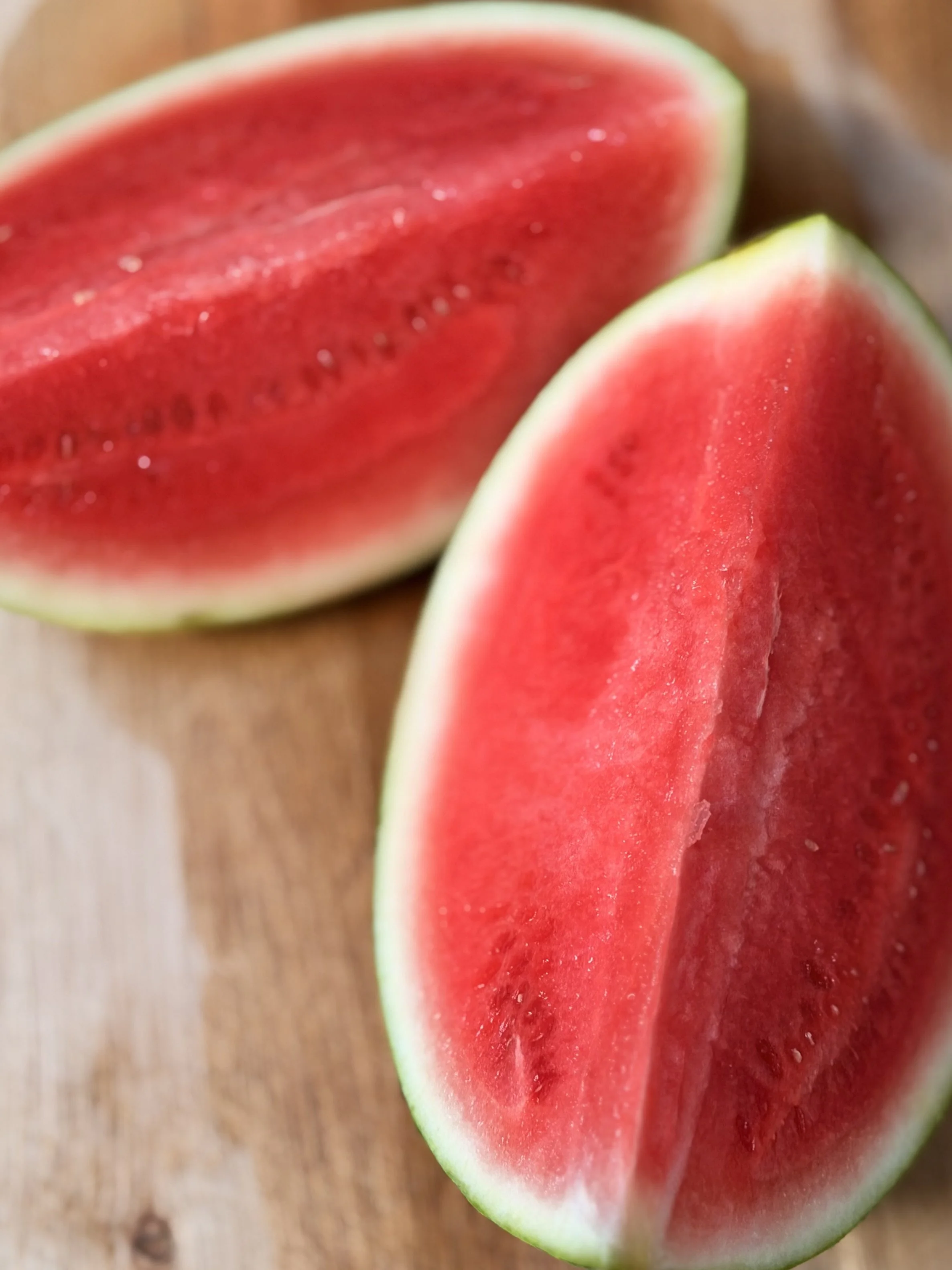
Good Foods Feature: Watermelon
Watermelon is often associated with summer picnics, beach days, and backyard barbecues, but this vibrant fruit is far more than a refreshing seasonal treat. Scientifically known as Citrullus lanatus, watermelon has been cultivated for thousands of years and valued not only for its sweetness and hydration but also for its powerful health-promoting properties. With its high water content, rich antioxidant profile, and impressive array of vitamins and phytonutrients, watermelon earns its place as a true “good food” for overall health and wellness.
In this feature, we’ll explore why watermelon is so beneficial to the body, how it supports hydration, heart health, digestion, skin, and athletic recovery, and why it fits seamlessly into a plant-forward, wellness-oriented lifestyle. We’ll also include a simple, nourishing vegan watermelon recipe that highlights the fruit’s natural beauty and versatility.
Watermelon as Nature’s Hydration Hero
One of watermelon’s most defining characteristics is its exceptionally high water content—about 91–92%. In a world where chronic mild dehydration is common, foods like watermelon play an important role in helping the body stay properly hydrated. Hydration supports nearly every physiological process, including circulation, temperature regulation, digestion, nutrient transport, and cognitive function.
Unlike plain water, watermelon delivers hydration alongside electrolytes such as potassium and magnesium, which are essential for fluid balance and muscle function. This makes watermelon particularly beneficial during warmer months, after physical activity, or for individuals who struggle to drink enough fluids throughout the day.
Because it is naturally sweet and refreshing, watermelon can encourage better hydration habits without the added sugars or artificial ingredients found in many sports drinks.
A Low-Calorie, Nutrient-Dense Fruit
Watermelon is remarkably low in calories while still offering meaningful nutritional value. One cup of diced watermelon contains roughly 45 calories, making it an excellent option for those seeking foods that are satisfying without being energy-dense.
Despite its light calorie load, watermelon provides:
Vitamin C, which supports immune health and collagen production
Vitamin A (from beta-carotene), important for vision, skin, and cellular health
Vitamin B6, which plays a role in brain function and metabolism
Potassium, essential for heart health and blood pressure regulation
This combination makes watermelon an ideal food for weight maintenance, mindful eating, and nutrient-rich snacking.
Rich in Antioxidants and Phytonutrients
Watermelon’s vivid red and pink flesh is a visual cue to its antioxidant power. One of its most notable compounds is lycopene, a carotenoid also found in tomatoes. Lycopene has been extensively studied for its role in reducing oxidative stress and inflammation in the body.
Oxidative stress occurs when free radicals outnumber antioxidants, potentially contributing to aging and chronic disease. Diets rich in antioxidant-containing fruits like watermelon help neutralize these free radicals and support long-term health.
Lycopene, in particular, has been associated with:
Reduced risk of cardiovascular disease
Support for healthy blood vessels
Protection against cellular damage
Interestingly, watermelon contains more lycopene per serving than raw tomatoes, making it one of the most efficient dietary sources of this powerful antioxidant.
Supporting Heart Health and Circulation
Heart health is one of the areas where watermelon truly shines. In addition to lycopene and potassium, watermelon contains an amino acid called citrulline, which is especially concentrated in the white rind just beneath the skin.
Citrulline is converted in the body to arginine, an amino acid that helps produce nitric oxide. Nitric oxide plays a key role in relaxing blood vessels, improving blood flow, and supporting healthy blood pressure.
Regular consumption of watermelon has been linked to improved arterial function and reduced stiffness in blood vessels—both important factors in cardiovascular wellness. For those following a plant-based or heart-conscious diet, watermelon is an easy and enjoyable addition.
Watermelon and Digestive Wellness
Watermelon is gentle on the digestive system and can be especially soothing during times of digestive stress. Its high water content helps keep stool soft and supports regular bowel movements, while its natural fiber—though modest—contributes to overall gut health.
Unlike many processed snacks, watermelon contains no refined sugars, artificial sweeteners, or additives that can disrupt digestion. Its natural sugars are paired with water and phytonutrients, making it easier for the body to process.
For individuals who experience digestive heaviness in hot weather or after large meals, watermelon can serve as a light, refreshing option that supports digestion rather than taxing it.
Benefits for Skin Health and Aging
Hydrated skin starts from within, and watermelon’s combination of water, vitamin C, and vitamin A makes it particularly beneficial for skin health. Vitamin C is essential for collagen synthesis, the protein responsible for skin’s firmness and elasticity.
Meanwhile, vitamin A supports skin cell turnover and repair, helping maintain a smooth, healthy complexion. Lycopene also contributes to skin health by helping protect against environmental stressors, including UV-related oxidative damage.
While watermelon is not a substitute for sunscreen, incorporating antioxidant-rich fruits into the diet can complement topical skin protection and support overall skin resilience.
Athletic Recovery and Muscle Support
Watermelon has gained attention in the wellness and fitness community for its role in exercise recovery. The citrulline content in watermelon may help reduce muscle soreness and improve post-workout recovery by enhancing blood flow and nutrient delivery to muscles.
Combined with natural sugars that help replenish glycogen stores and electrolytes that support muscle function, watermelon can be an excellent post-exercise snack—especially when paired with a source of plant-based protein.
Its light, hydrating nature makes it easier to tolerate after intense physical activity compared to heavier foods.
A Naturally Anti-Inflammatory Food
Chronic inflammation is increasingly recognized as a contributor to many modern health concerns, including cardiovascular disease, metabolic disorders, and joint discomfort. Watermelon’s antioxidants, including lycopene and vitamin C, help combat inflammation at the cellular level.
Incorporating anti-inflammatory foods like watermelon into a balanced diet can support long-term wellness, particularly when combined with other whole plant foods such as leafy greens, berries, legumes, and healthy fats.
Choosing and Storing Watermelon
When selecting a watermelon, look for one that feels heavy for its size, with a uniform shape and a creamy yellow spot on one side—this indicates ripeness. A dull (not shiny) rind is another good sign.
Once cut, watermelon should be stored in an airtight container in the refrigerator and enjoyed within three to four days for optimal freshness and nutrient retention.
Don’t discard the rind entirely—watermelon rind is edible and rich in citrulline. It can be pickled, blended into smoothies, or finely chopped into salads.
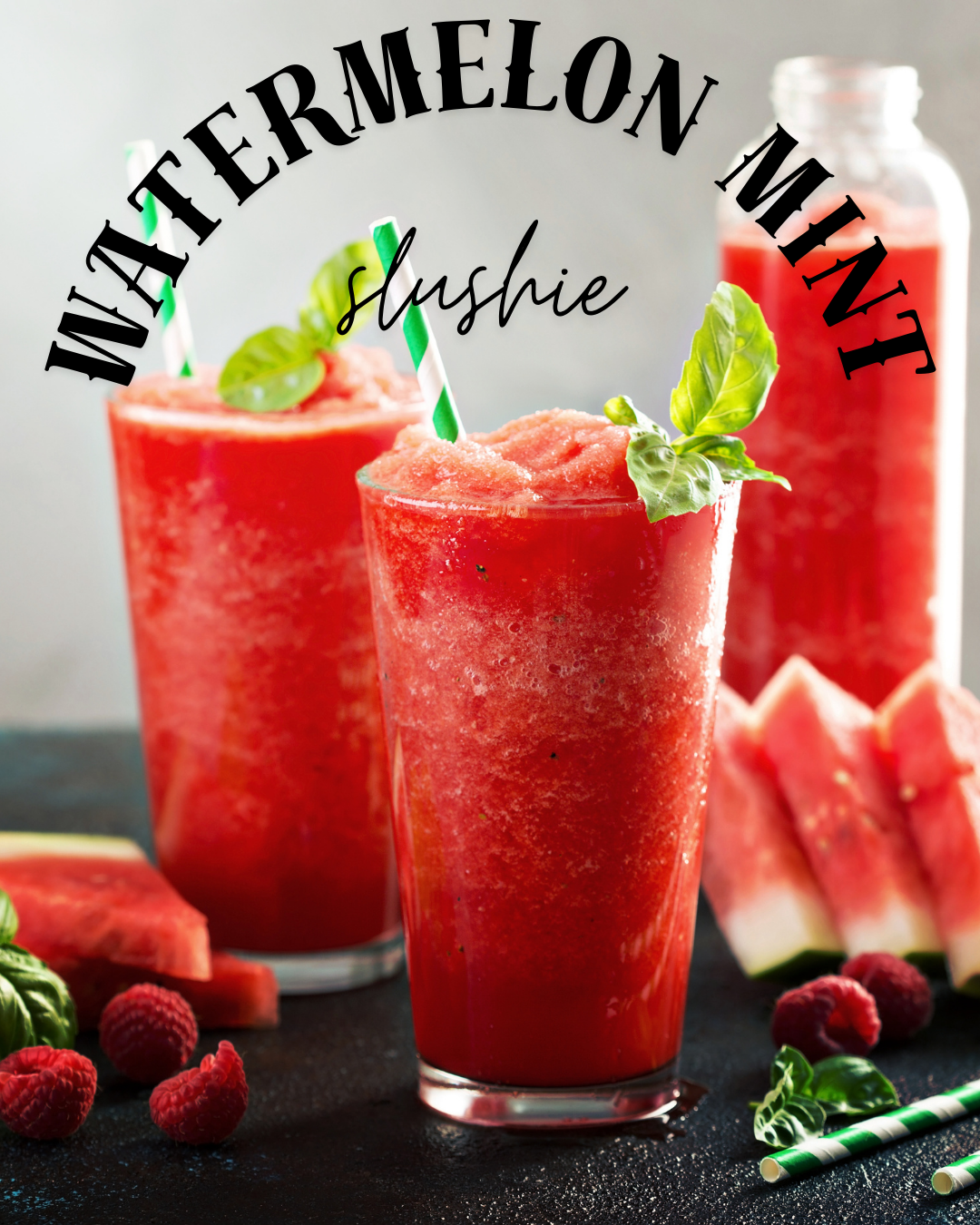
Vegan Watermelon Mint Slushie
Serves: 2
Prep Time: 5 minutes
Ingredients
3 cups seedless watermelon, cubed and frozen
1/4 cup fresh mint leaves, loosely packed
1 tablespoon fresh lime juice (about 1/2 lime)
1/2–1 cup cold coconut water or filtered water (start with less)
1–2 teaspoons agave or maple syrup (optional, to taste)
Pinch of sea salt (optional, enhances sweetness)
Instructions
Add the frozen watermelon, mint leaves, lime juice, and coconut water to a high-speed blender.
Blend until thick and slushy, stopping to scrape down the sides as needed.
Taste and add agave or maple syrup if you’d like extra sweetness.
Blend again until smooth but still icy. Add more liquid a splash at a time if needed.
Pour into chilled glasses and serve immediately.
Optional Add-Ins & Variations
Ginger kick: Add 1/2 teaspoon freshly grated ginger
Electrolyte boost: Use coconut water exclusively and add a squeeze of extra lime
Spa-style: Garnish with mint sprigs and a tiny pinch of flaky sea salt
Protein boost: Blend in 1–2 tablespoons hemp seeds for a more filling slushie
Why You’ll Love It
This slushie is ultra-hydrating thanks to watermelon’s high water content, refreshing from fresh mint, and brightened with lime. It’s naturally vegan, dairy-free, and refined-sugar optional—perfect as a cooling afternoon drink, light breakfast, or post-sun reset.
Final Thoughts: Why Watermelon Deserves a Place on Your Plate
Watermelon is a powerful reminder that some of the most beneficial foods are also the simplest. Hydrating, antioxidant-rich, heart-supportive, and naturally delicious, watermelon supports health and wellness on multiple levels—from cellular protection to digestive ease and skin vitality.
Whether enjoyed fresh, blended, grilled, or incorporated into savory dishes, watermelon is a versatile fruit that aligns beautifully with a plant-based, whole-foods lifestyle. By choosing foods like watermelon regularly, we nourish the body in a way that feels joyful, seasonal, and deeply supportive of long-term well-being.