Lucky Vegan Foods to Eat to Ring in the New Year
Lucky Vegan Foods to Eat to Ring in the New Year
A Global, Plant-Based Guide to Abundance, Health, and Fresh Beginnings
Across cultures and continents, food has long been a way to welcome luck, prosperity, health, and happiness into the New Year. The final meal of the year—and the first meal of the next—often carries symbolic weight, rooted in centuries-old traditions meant to attract abundance and ward off hardship.
The beautiful thing? Nearly every one of these traditions translates seamlessly into a vegan, plant-based table. In fact, many lucky foods are naturally vegan—grains, legumes, fruits, vegetables, noodles, and seeds—making them not only symbolic but nourishing, sustainable, and deeply aligned with mindful living.
Below is a comprehensive guide to lucky foods to eat on New Year’s Eve and New Year’s Day, all thoughtfully reimagined through a vegan lens. Whether you’re hosting a dinner party, planning a quiet night in, or simply curious about global food traditions, this guide invites you to eat with meaning as you step into the year ahead.
Why Lucky Foods Matter
Lucky foods aren’t about superstition—they’re about intention. Each ingredient represents a hope: prosperity, longevity, fertility, protection, renewal, or joy. Preparing and eating these foods becomes a ritual, a moment to pause, reflect, and set the tone for the year to come.
Vegan lucky foods add another layer of meaning: compassion, environmental care, and conscious nourishment. It’s a way of welcoming abundance not just for ourselves, but for the planet.
1. Lentils: Wealth, Prosperity & Growth
Where the tradition comes from:
Italy, Brazil, parts of South America
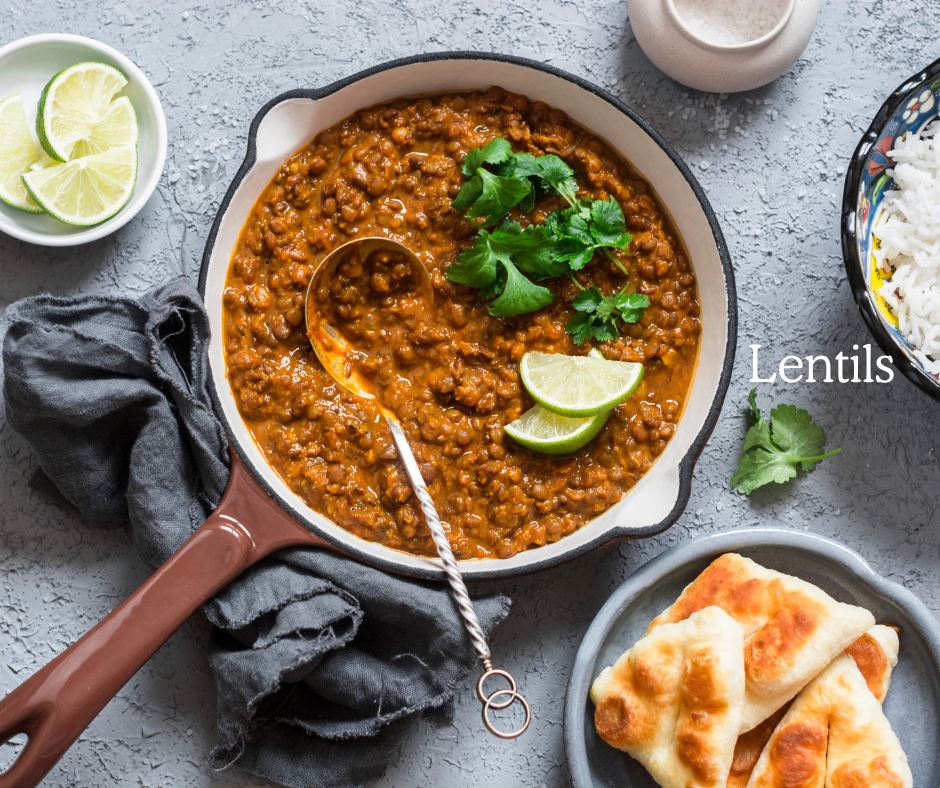
Lentils are one of the most iconic New Year’s lucky foods. Their small, round shape resembles coins, symbolizing wealth and financial abundance. In Italy, lentils are traditionally eaten at midnight to ensure prosperity in the year ahead.
Why they’re perfect for a vegan New Year:
Lentils are protein-rich, grounding, and deeply nourishing—ideal for anchoring intentions around stability and growth.
Vegan ways to serve lentils:
Lentil and mushroom ragù over polenta
Spiced lentil stew with tomatoes and greens
Lentil walnut “meatballs”
Lentil salad with herbs, citrus, and olive oil
Intention to set: Financial stability, career growth, security
2. Black-Eyed Peas: Good Fortune & Protection
Where the tradition comes from:
Southern United States, West Africa
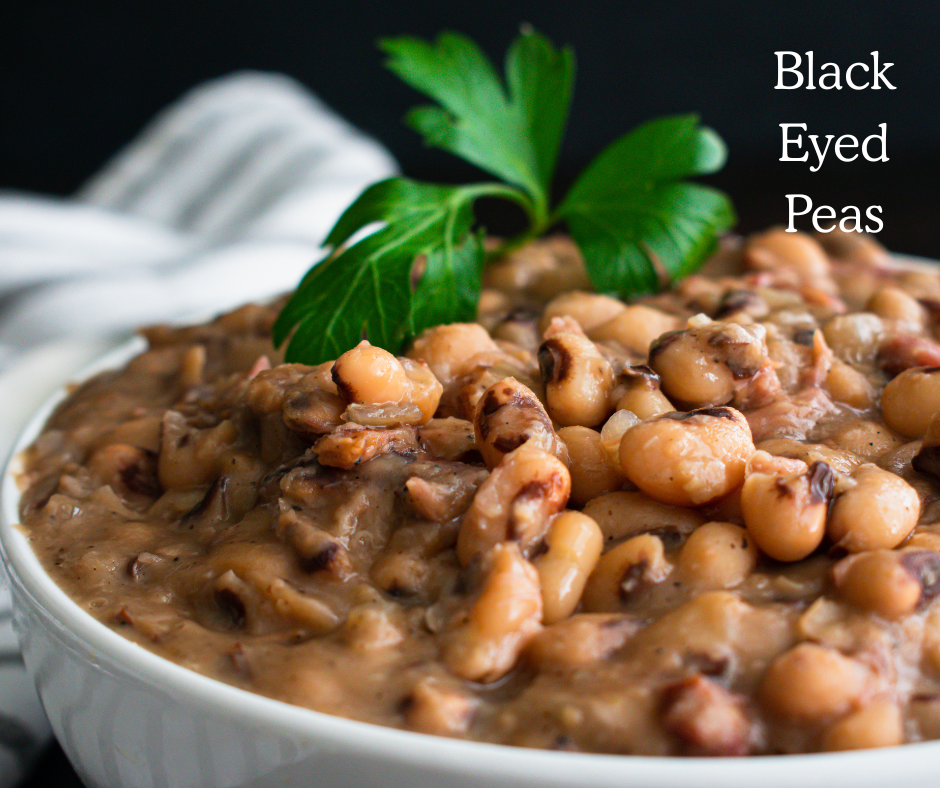
Black-eyed peas are traditionally eaten on New Year’s Day for luck, believed to bring protection and prosperity. Often paired with greens and cornbread, this meal symbolizes wealth (peas), money (greens), and gold (cornbread).
Vegan interpretation:
Slow-simmered black-eyed peas with onion, garlic, and bay leaf
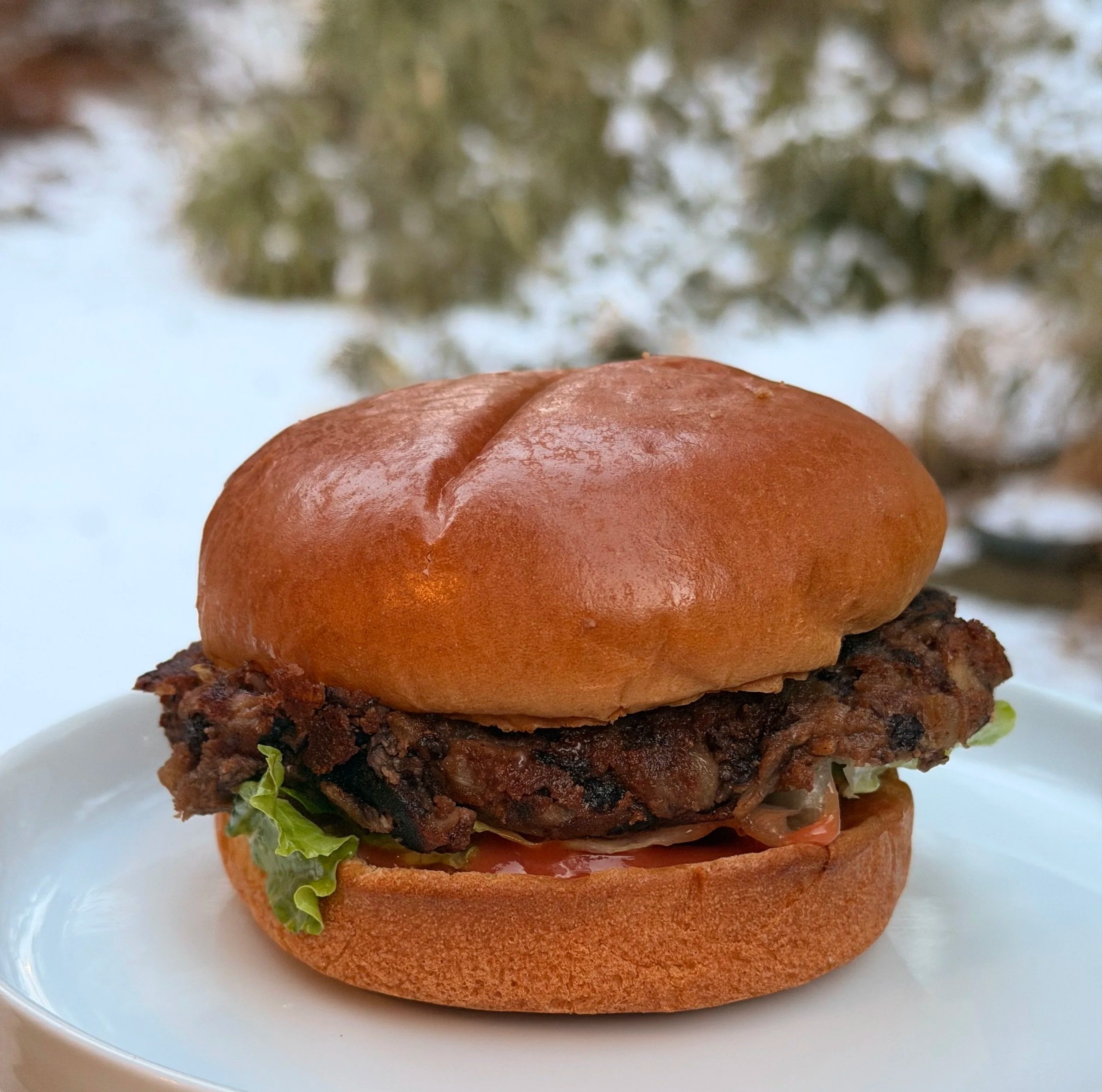
Black-eyed pea fritters or patties
Black-eyed pea salad with vinegar and herbs
Intention to set: Protection, resilience, grounding
3. Leafy Greens: Money, Health & Renewal
Where the tradition comes from:
American South, Mediterranean cultures
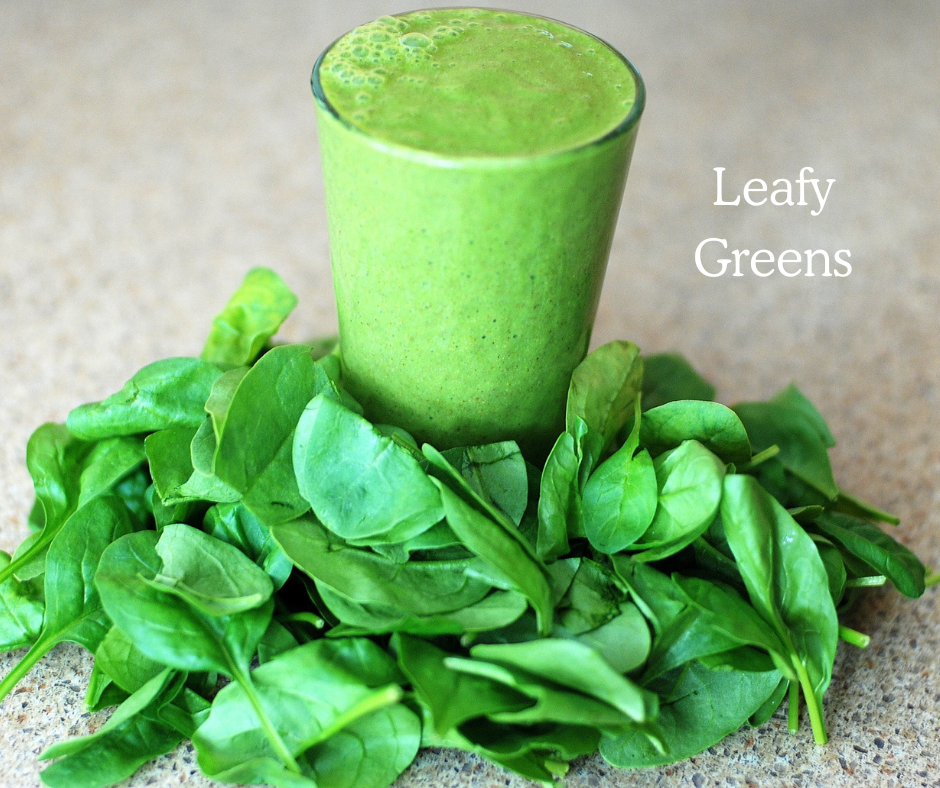
Collards, kale, spinach, and mustard greens resemble folded bills and are eaten to symbolize money and abundance. Greens also represent renewal and vitality—perfect themes for January.
Vegan serving ideas:
Garlicky sautéed greens with lemon
Braised collards with smoked paprika and apple cider vinegar
Massaged kale salad with tahini dressing
Spinach folded into lentil stews or noodle dishes
Intention to set: Abundance, health, fresh energy
4. Grapes: Wishes, Luck & Completion
Where the tradition comes from:
Spain, Mexico, Latin America
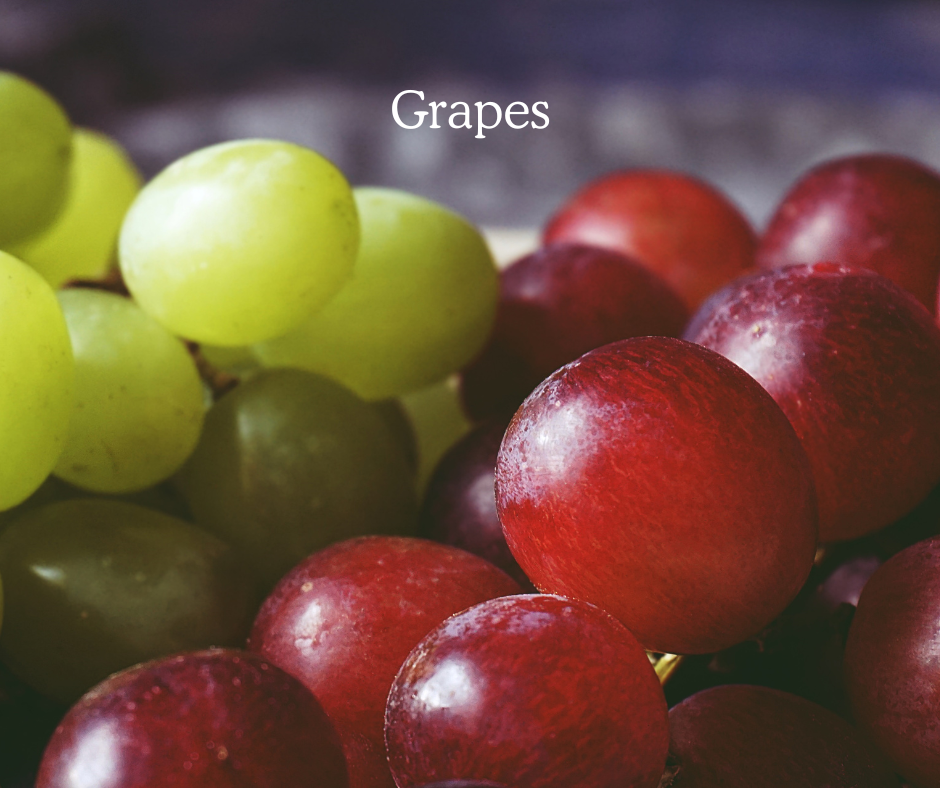
In Spain, it’s customary to eat 12 grapes at midnight, one with each clock chime, making a wish for each month of the coming year.
Vegan & elegant twists:
Fresh grapes served chilled
Roasted grapes with rosemary and olive oil
Grapes folded into salads or grain bowls
Intention to set: Hope, balance, fulfillment
5. Pomegranates: Fertility, Abundance & New Life
Where the tradition comes from:
Middle East, Greece, Turkey, Armenia
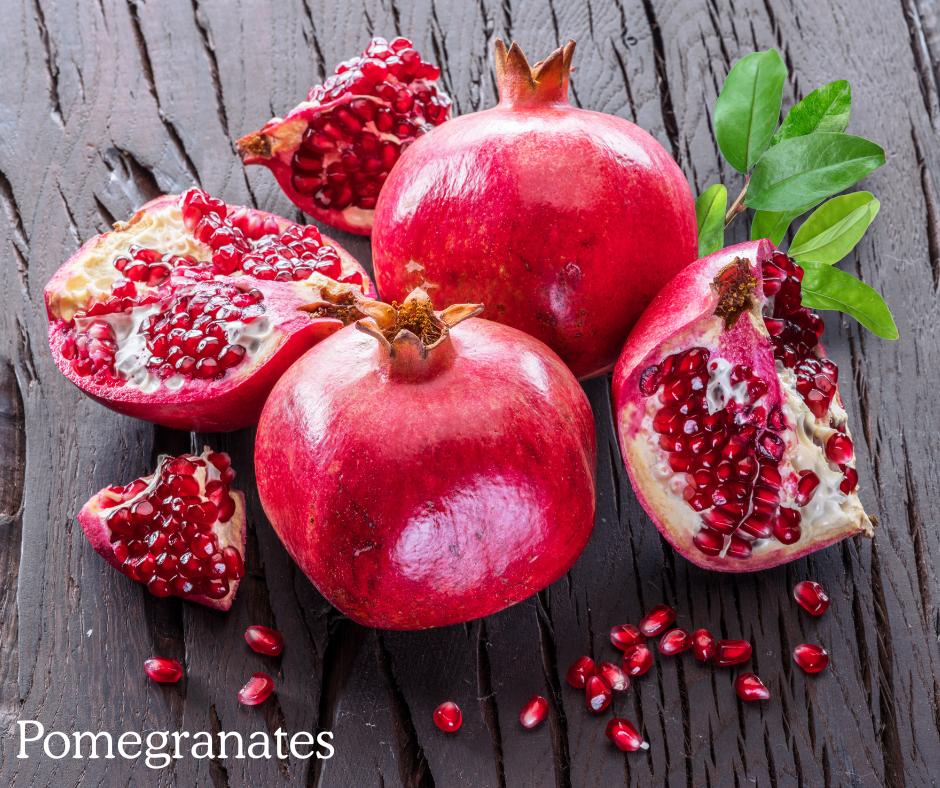
Pomegranates symbolize fertility and abundance due to their many seeds. In some cultures, breaking open a pomegranate at the threshold of the New Year brings luck and prosperity.
Vegan serving ideas:
Pomegranate seeds sprinkled over salads
Mixed into rice or grain dishes
Added to desserts or cocktails
Stirred into dips like hummus or muhammara
Intention to set: Creativity, growth, expansion
6. Noodles: Longevity & Long Life
Where the tradition comes from:
China, Japan, Korea
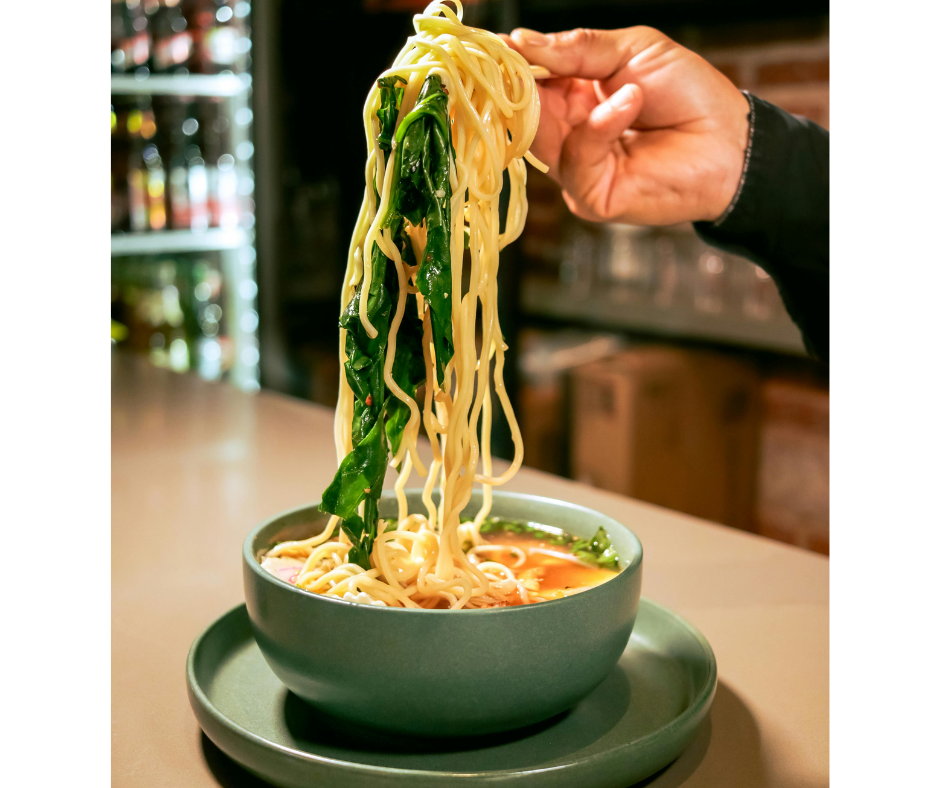
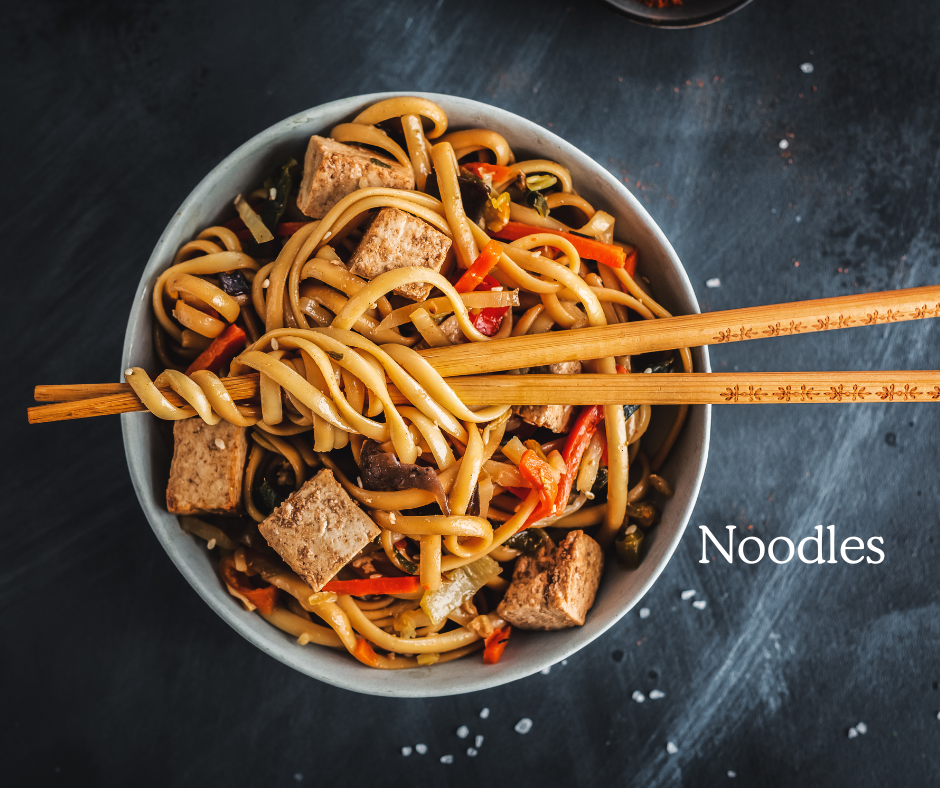
Long noodles symbolize a long life. The key rule? Do not cut them—the longer the noodle, the better the luck.
Vegan noodle dishes:
Longevity noodles with vegetables and sesame oil
Soba noodles with mushrooms and scallions
Rice noodles in a light broth
Stir-fried wheat noodles with tofu and greens
Intention to set: Health, endurance, vitality
7. Rice: Fertility, Nourishment & Stability
Where the tradition comes from:
Asia, Latin America, Africa
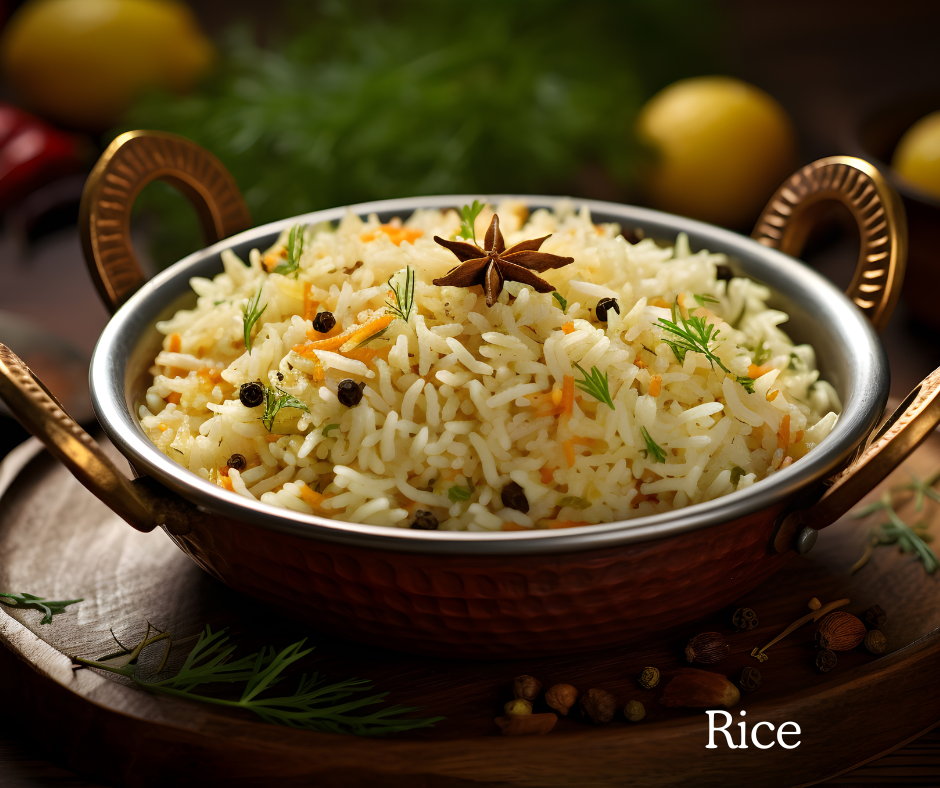
Rice represents life and fertility and is a staple symbol of sustenance across cultures.
Vegan rice dishes:
Steamed jasmine or basmati rice
Rice pilaf with nuts and dried fruit
Coconut rice
Rice paired with lentils or beans
Intention to set: Stability, nourishment, simplicity
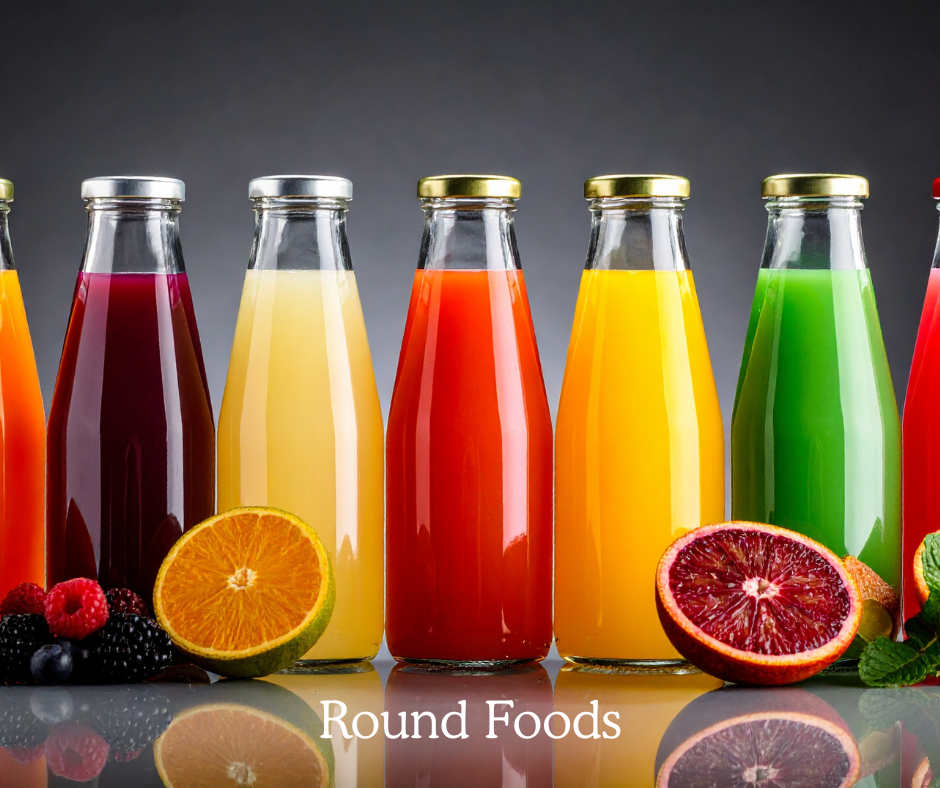
8. Round Foods: Wholeness & Continuity
Where the tradition comes from:
Global
Round foods symbolize cycles, continuity, and completeness—perfect metaphors for the turning of the year.
Vegan round foods include:
Oranges and citrus
Lentils
Donuts or ring-shaped breads (vegan)
Chickpeas
Pancakes
Intention to set: Balance, completion, harmony
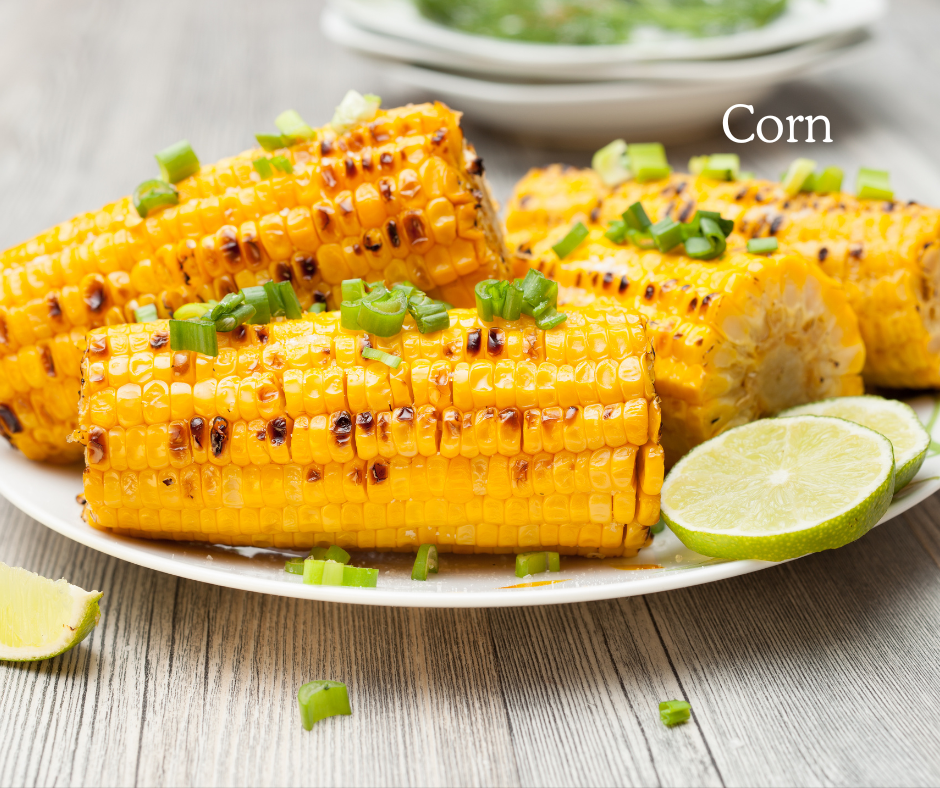
9. Corn & Cornbread: Gold & Prosperity
Where the tradition comes from:
Southern U.S., Indigenous cultures of the Americas
Corn represents gold and abundance.
Vegan corn dishes:
Vegan cornbread
Polenta with mushrooms
Corn and bean salad
Corn chowder made with plant milk
Intention to set: Financial prosperity, warmth, generosity
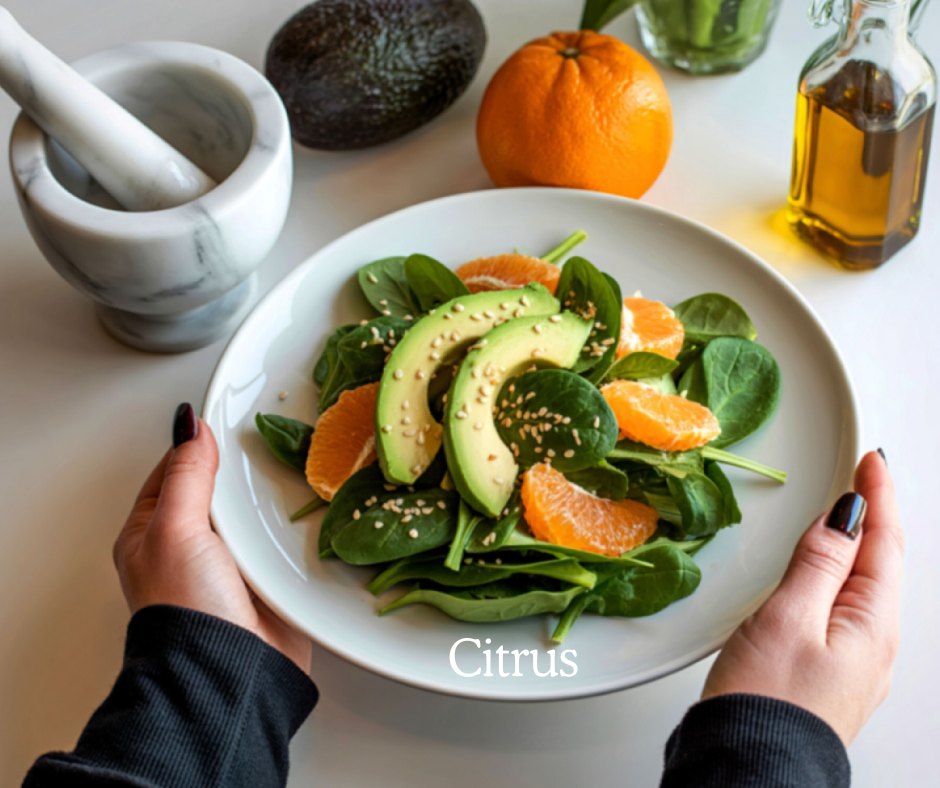
10. Citrus: Cleansing & Bright Energy
Where the tradition comes from:
Asia, Mediterranean cultures
Oranges, mandarins, lemons, and limes symbolize brightness, luck, and purification.
Vegan uses:
Citrus salads
Lemon-forward dressings
Citrus desserts
Citrus-infused cocktails or mocktails
Intention to set: Clarity, joy, fresh starts
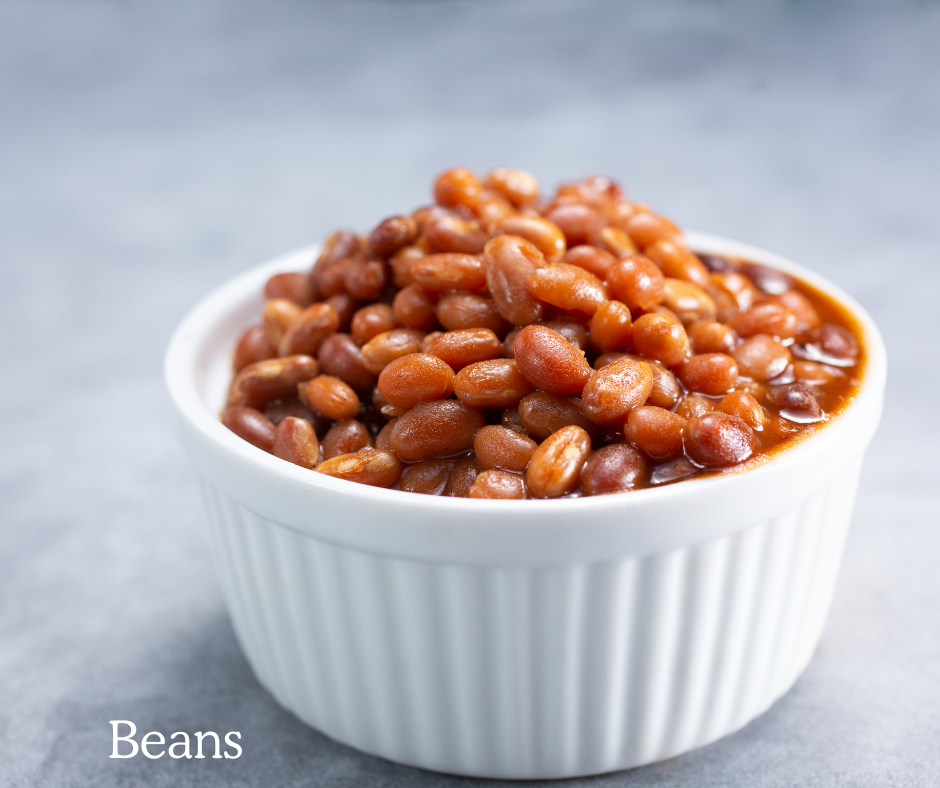
11. Beans of All Kinds: Luck & Survival
Where the tradition comes from:
Global
Beans symbolize survival and sustenance—humble foods that sustain communities through difficult times.
Vegan ideas:
White bean stews
Chickpea curries
Bean-based dips
Three-bean salads
Intention to set: Resilience, nourishment, strength
Vegan Lucky Drinks for the New Year

Celebration matters—and so does what’s in your glass.
Vegan-friendly drinks include:
Vegan Champagne (like Taittinger)
Prosecco labeled vegan
Pomegranate spritzes
Citrus mocktails
Toast intention: Gratitude and joy
Creating a Vegan Lucky New Year’s Menu
A simple but symbolic menu might look like:
Lentil and mushroom stew
Garlicky greens
Long noodles with sesame oil
Rice or cornbread
Citrus salad with pomegranate
Grapes at midnight
Champagne or sparkling wine
You don’t need every lucky food—choose what resonates. Intention matters more than excess.
A Final Thought: Eating with Intention
Lucky foods are less about guaranteeing outcomes and more about mindful beginnings. Preparing a plant-based New Year’s meal is an act of hope—for health, abundance, compassion, and connection.
As you ring in the New Year, let your table reflect not just tradition, but your values. Eat foods that nourish your body, honor the planet, and remind you that abundance comes in many forms.
Here’s to a year filled with good fortune, shared meals, conscious choices, and joy—one delicious, vegan bite at a time. 🌱✨🥂