Sunday Sips: Leclerc Briant Réserve Extra Brut
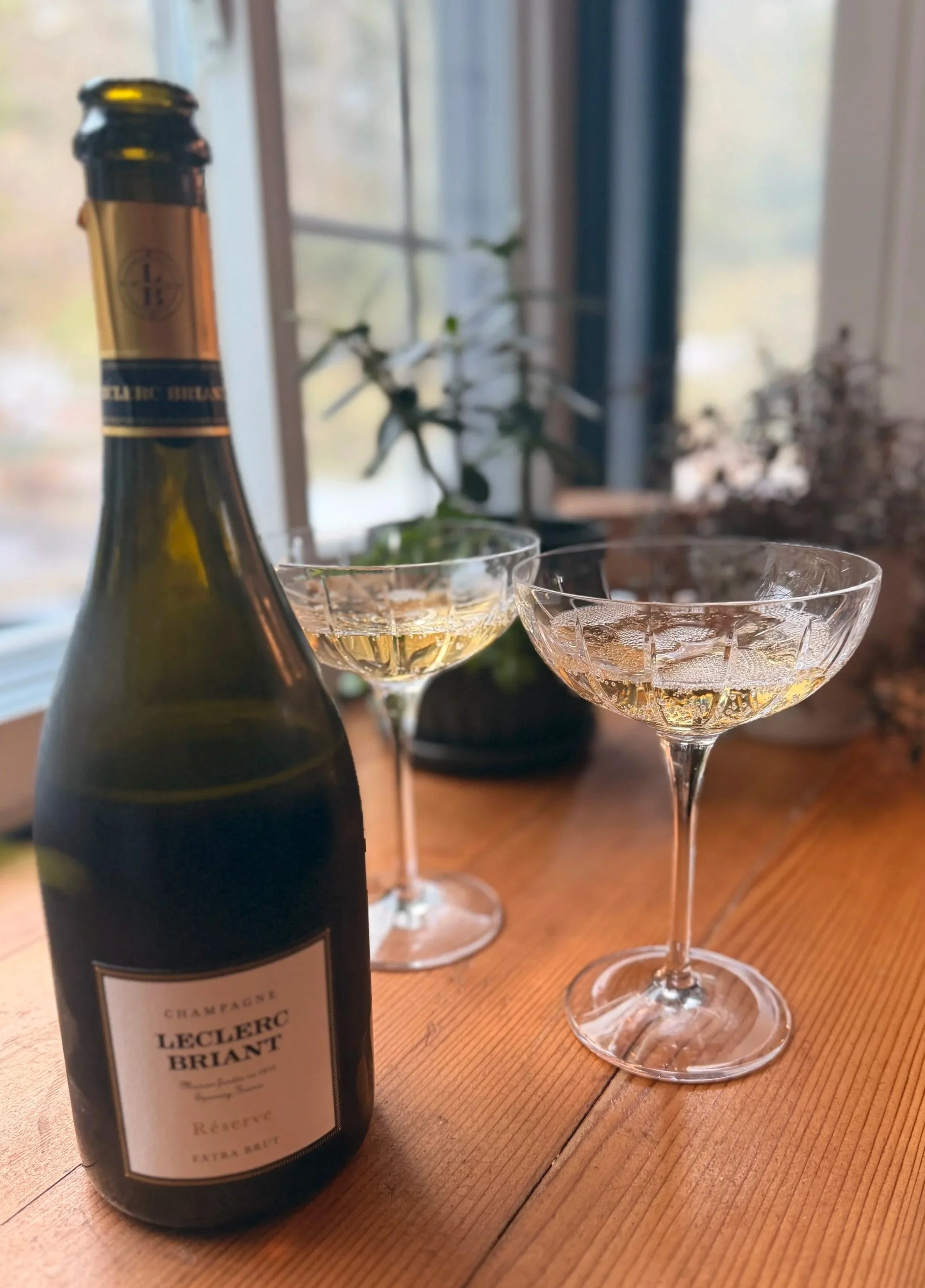
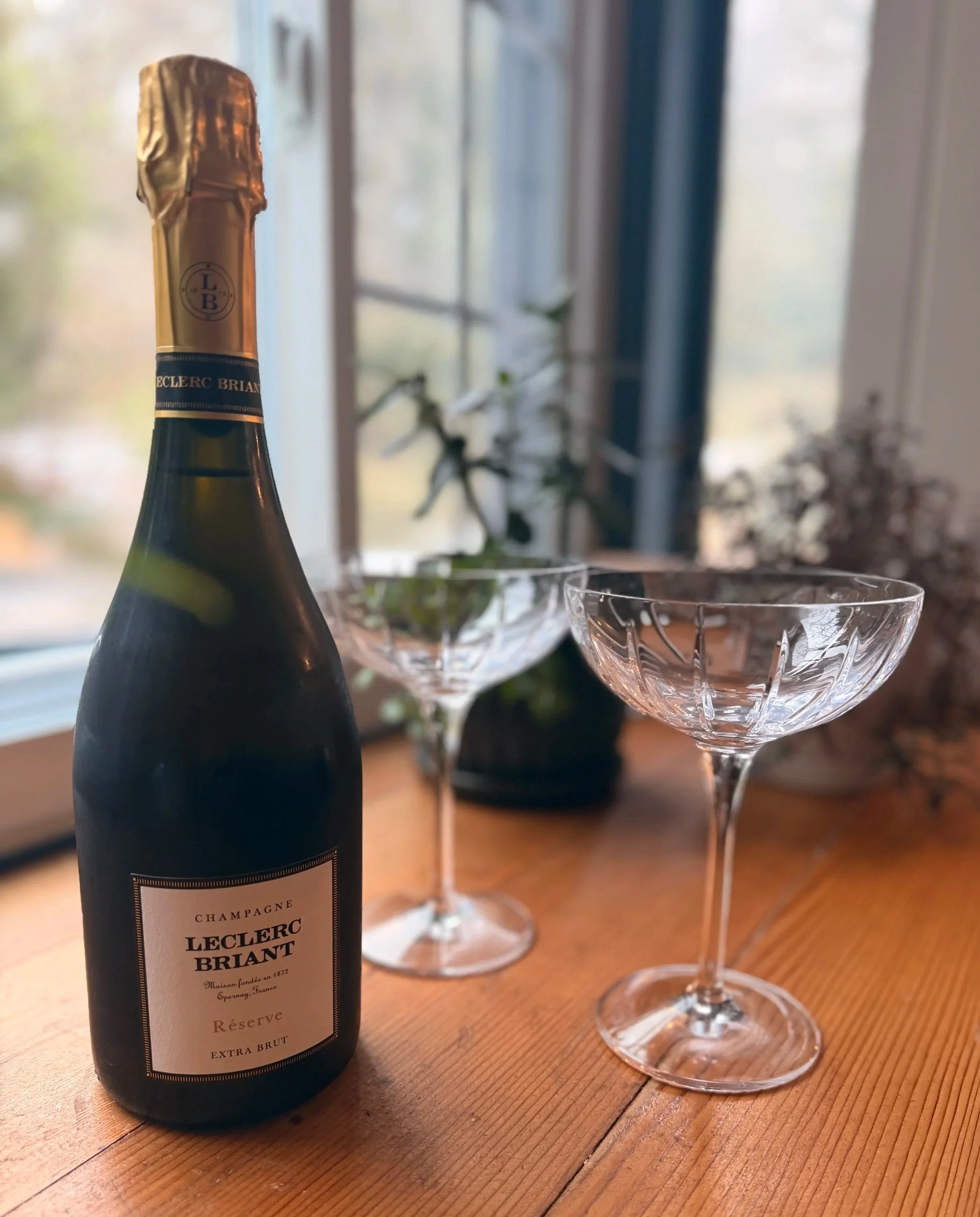
There’s something undeniably romantic about a blizzard in the Northeast. The wind begins its low whistle, the sky shifts to a silvery gray, and suddenly the world slows down. Grocery stores are raided, sidewalks go quiet, and we settle into our homes with candles lit and something warm simmering on the stove. This time, instead of mulled wine or tea, we reached for something sparkling. As snow began to fall in thick, steady sheets, we popped open a bottle of Leclerc Briant Réserve Extra Brut—a Champagne that feels both contemplative and celebratory, perfectly suited for a Sunday spent watching the storm roll in.
There’s a certain magic in opening Champagne when the world outside is blanketed in white. The cork releases with a gentle sigh, not a dramatic pop. The fine mousse rises in the glass like fresh snowfall. And in that first sip, you feel grounded and lifted all at once. This is not a loud or flashy bottle. It is elegant, restrained, deeply expressive—and, importantly for us, crafted with a commitment to organic and biodynamic viticulture.
So let’s settle in. Pour a glass. Watch the snow swirl past the windows. And explore what makes this cuvée such a beautiful companion for a slow winter Sunday.
A House with Soul: The Story Behind Leclerc Briant
Founded in 1872 in Cumières, Champagne, Leclerc Briant has long been known as a house guided by conviction. Long before “organic” became a marketing buzzword, they were practicing sustainable viticulture. In the 1960s, under Bertrand Leclerc, the estate began eliminating chemical herbicides and pesticides. By the 1980s and 1990s, they were fully embracing biodynamic farming—an approach that treats the vineyard as a living ecosystem.
Today, Leclerc Briant is one of the few Champagne houses that can claim certified organic vineyards and a deep commitment to biodynamic principles across its estate parcels. Their philosophy is rooted in respect—for the soil, for the vine, and for time.
This isn’t industrial Champagne. It’s thoughtful, terroir-driven, and precise.
The Réserve Extra Brut is a reflection of that philosophy: restrained dosage, purity of fruit, and a mineral backbone that speaks of chalky soils and cool northern light.
What Does “Extra Brut” Mean?
Before diving into tasting notes, let’s pause on terminology. Champagne sweetness levels are defined by dosage—the small amount of sugar added after disgorgement.
Brut Nature: 0–3 g/L residual sugar
Extra Brut: 0–6 g/L
Brut: up to 12 g/L
The Réserve Extra Brut sits firmly in that drier category. With minimal dosage, the wine’s structure, acidity, and minerality are on full display. There’s nowhere to hide. The result is a Champagne that feels crisp, linear, and refreshingly clean.
If you gravitate toward bone-dry wines, this style will speak to you. If you’re used to softer, rounder Brut styles, you may find this more structured—but beautifully so.
The Blend & Structure
The Réserve Extra Brut is typically a blend of the three classic Champagne grapes:
Pinot Noir
Pinot Meunier
Chardonnay
This trio provides balance:
Pinot Noir brings structure and subtle red fruit depth.
Pinot Meunier adds approachability and gentle roundness.
Chardonnay contributes brightness, citrus lift, and that signature chalky minerality.
The wine spends extended time on the lees (spent yeast cells), which contributes texture and complexity—think brioche, almond, and a faint whisper of pastry cream beneath the acidity.
Tasting Notes: A Blizzard in a Glass
In the glass, the color is a pale gold with luminous clarity. The bubbles are fine and persistent, rising in elegant streams.
On the nose:
Fresh orchard fruit leads—green apple, Bosc pear, and a hint of lemon zest. There’s a floral edge, something like white blossoms in early spring. As it opens, subtle notes of toasted hazelnut and fresh bread crust emerge.
On the palate:
The first impression is precision. Bright acidity cuts cleanly across the tongue. Green apple and citrus dominate initially, followed by a gentle creaminess from lees aging. There’s a saline minerality that lingers—like sea spray or crushed chalk. The finish is long, dry, and mouthwatering.
This is a Champagne that sharpens your senses. It doesn’t overwhelm; it refines.
As snow piled higher outside, each sip felt like a contrast to the storm—cool, crisp, controlled.
Why It’s Perfect for a Snow Day
Champagne is often reserved for milestone celebrations. But I’ve come to love it most in quiet moments. A Sunday afternoon. A long conversation. A storm.
The Réserve Extra Brut is particularly well suited for winter because of its structure. It has enough acidity to cut through rich foods (think creamy soups, roasted vegetables, or savory tarts), but enough texture to stand alone with nothing more than a bowl of olives or salted almonds.
There’s also something poetic about pairing sparkling wine with snowfall. The effervescence mirrors the flurry outside. The pale gold in the glass glows against the gray sky. And the dryness keeps everything feeling bright and awake, even when the world is hushed.
Vegan Food Pairings: Thoughtful, Seasonal, and Elegant
For those of us who eat plant-based, Champagne can be an extraordinary partner at the table. The key with an Extra Brut is balance. Because it is dry and high in acidity, it shines alongside dishes with:
Salt
Fat
Umami
Subtle sweetness
Here are some vegan pairings that elevate this cuvée beautifully:
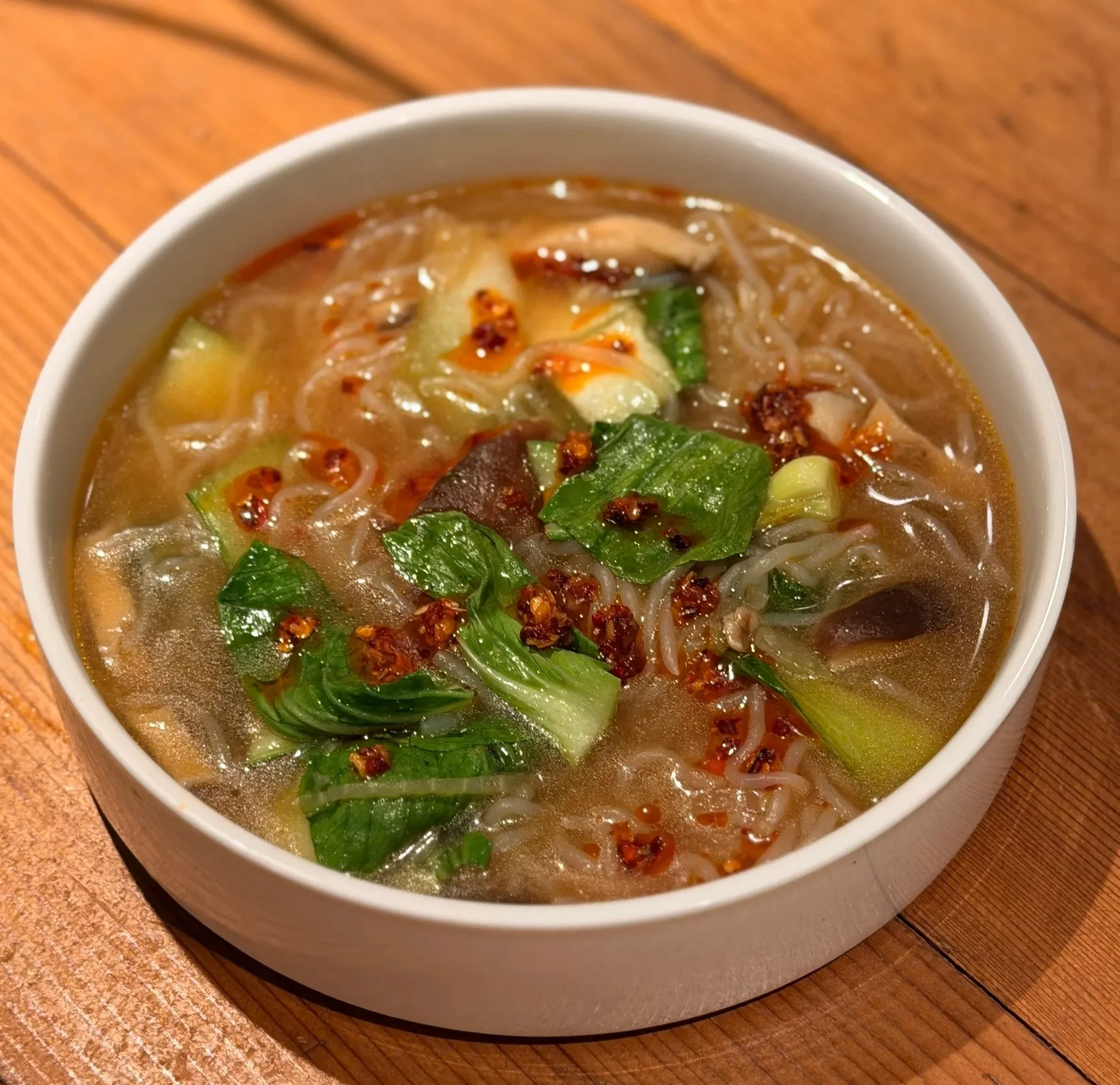
1. Miso-Braised Shiitake & Baby Bok Choy Soup
Earthy mushrooms meet umami-rich miso—an ideal match for the Champagne’s minerality. The acidity lifts the richness while the lees notes echo the savoriness of the dish. Add a drizzle of sesame oil and a sprinkle of scallions for contrast.
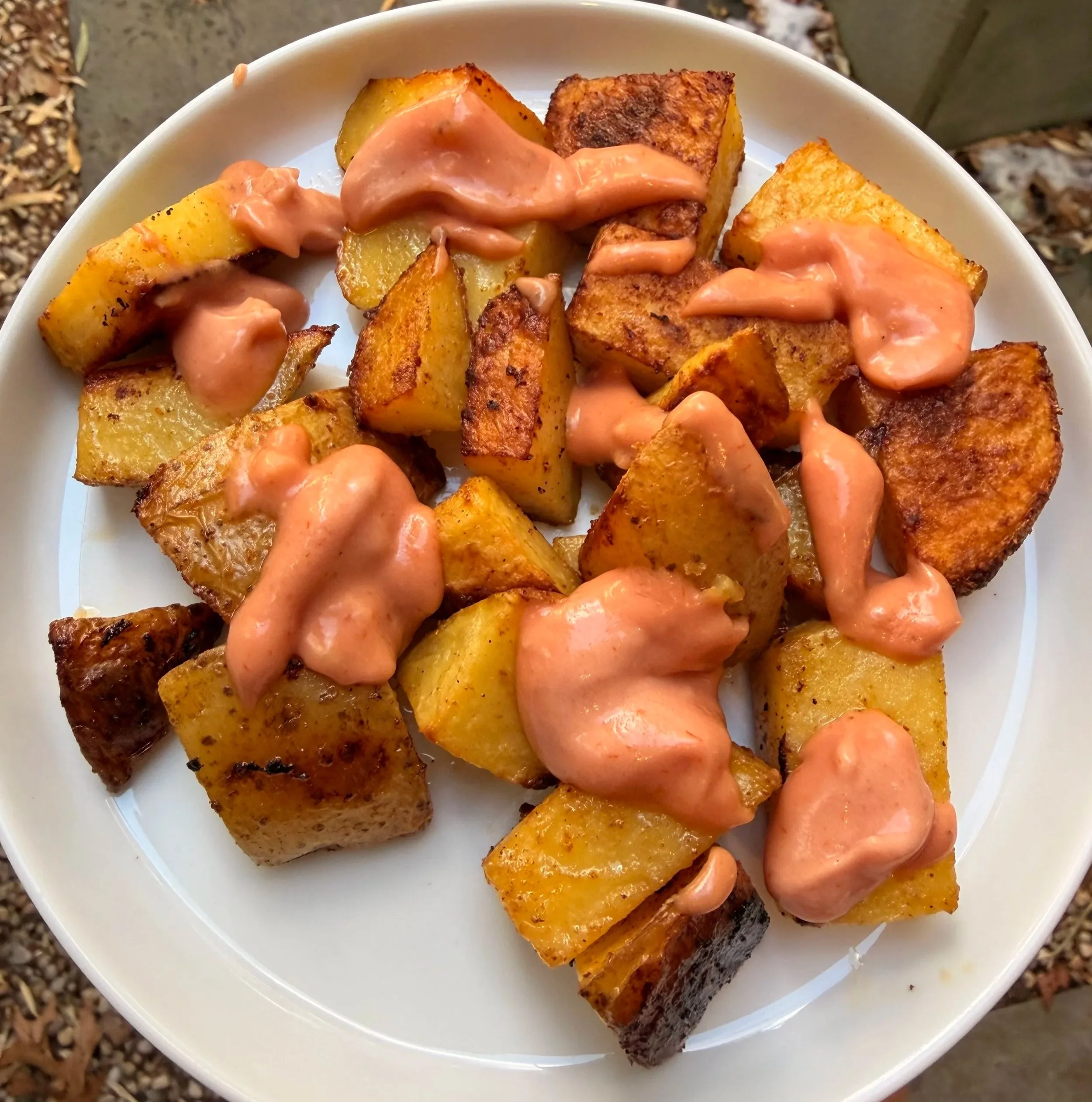
2. Crispy Potato Rösti with Cashew Crème
Golden, crispy potatoes topped with a lemony cashew crème and fresh herbs create textural harmony. The bubbles cut through the starch, refreshing the palate between bites.
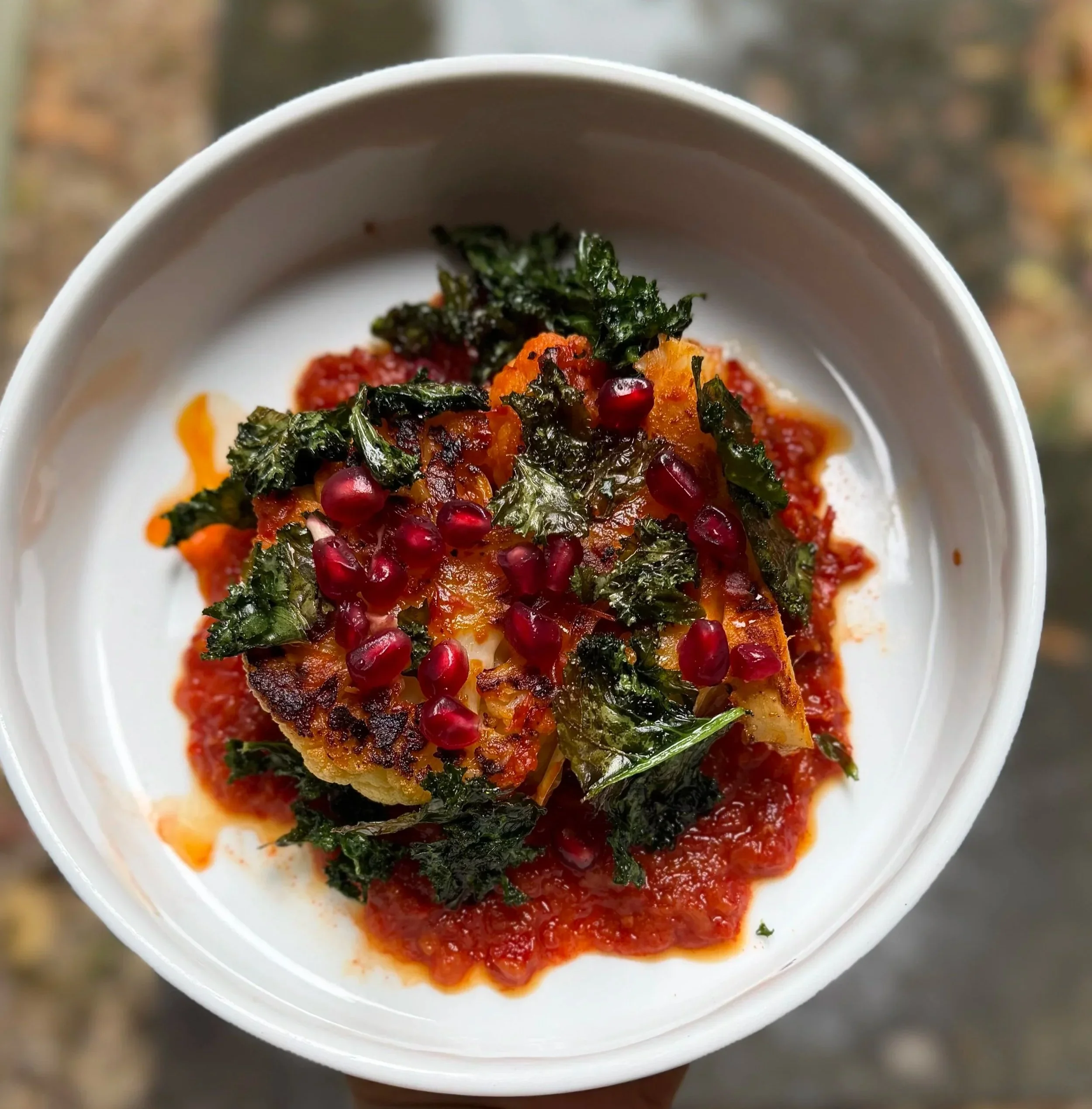
3. Harissa-Seared Cauliflower Steaks
The nuttiness of tahini resonates with the Champagne’s subtle almond notes. Pomegranate seeds add brightness and a pop of sweetness that balances the Extra Brut dryness.
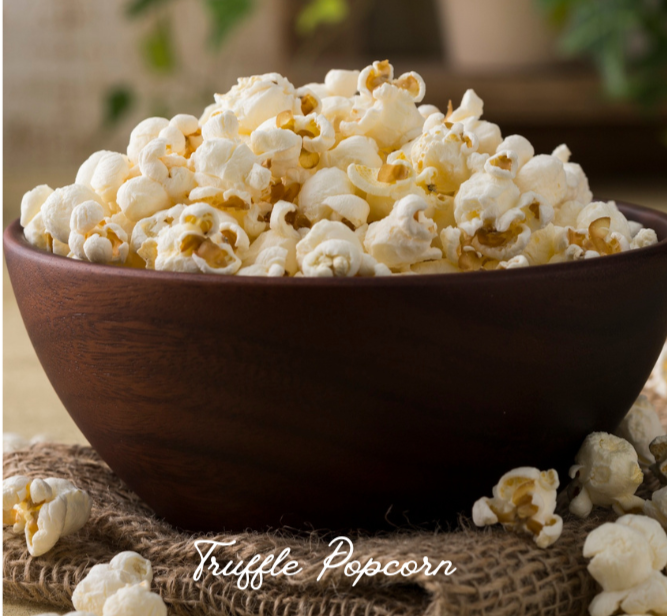
4. Truffle Popcorn
Simple. Luxurious. Perfect for a snowstorm movie night. The salt and fat from the truffle oil meet the wine’s acidity in a beautifully satisfying way.
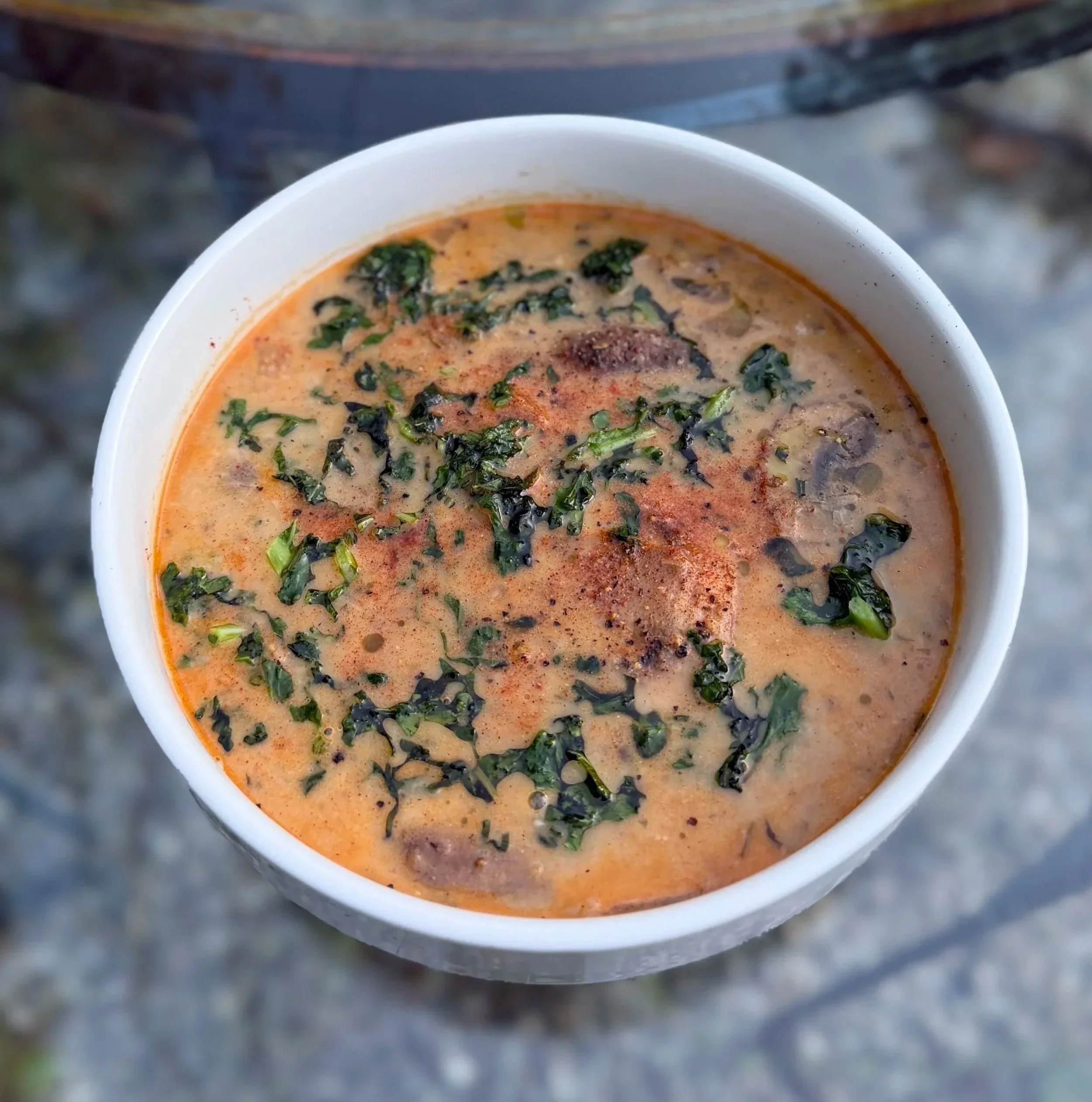
5. Vegan Mushroom Soup
Creamy (without dairy), earthy, and comforting—this pairing plays off the wine’s brioche and toasted hazelnut undertones. Each sip cleanses the palate, preparing you for the next spoonful.
6. Lentil & Root Vegetable Galette
The flaky pastry echoes the Champagne’s pastry notes, while the lentils bring grounding depth. A squeeze of lemon over the top brightens everything.
Serving & Glassware
For a Champagne like this, temperature matters. Aim for 45–50°F (7–10°C). Too cold and the aromas mute; too warm and the acidity feels sharp.
Skip the narrow flute. Instead, opt for a tulip-shaped Champagne glass or even a white wine glass. The broader bowl allows the aromatics to unfold and gives the mousse room to express itself.
Let it breathe for a few minutes in the glass. Notice how it evolves from citrus-forward to subtly nutty and layered.
Aging Potential
While the Réserve Extra Brut is wonderfully drinkable now, it also has the structure to age gracefully for several years. With time, expect:
More pronounced brioche and almond notes
Softer acidity integration
Deeper honeyed complexity
That said, there is something joyful about drinking it in the present moment—especially during a snowstorm when tomorrow feels far away.
Sustainability & Intention
One of the reasons I return to Leclerc Briant is the intention behind the bottle. Their commitment to organic and biodynamic farming isn’t a trend—it’s foundational. Vineyard practices prioritize biodiversity, soil vitality, and minimal intervention.
In a world increasingly focused on conscious consumption, choosing producers aligned with ecological stewardship feels meaningful. When we pour a glass of this Champagne, we’re not just tasting fruit and bubbles—we’re tasting philosophy.
The Ritual of Sunday Sips
Sunday Sips, for me, is less about the alcohol and more about the pause. It’s the ritual of slowing down. Of opening something thoughtfully chosen. Of pairing it with food made from scratch and conversation that stretches long past sunset.
This week, that ritual unfolded against a backdrop of swirling snow and quiet streets. We cooked, we read, we watched the storm intensify. And every so often, we returned to the bottle—its steady effervescence a reminder that even in stillness, there is movement.
Champagne doesn’t have to be loud to be celebratory. Sometimes, it’s simply a marker of presence.
Final Thoughts
Leclerc Briant Réserve Extra Brut is not a flashy Champagne. It doesn’t rely on sweetness or showmanship. Instead, it offers clarity, balance, and integrity.
It’s a bottle for those who appreciate:
Dry, mineral-driven wines
Subtle complexity over overt fruitiness
Thoughtful farming and craftsmanship
Pairing Champagne with real food
As the blizzard continues to sweep across the Northeast, I can’t think of a better companion. The snow may pile high and the wind may howl, but inside, there’s warmth, candlelight, and the soft rise of bubbles in a pale gold glass.
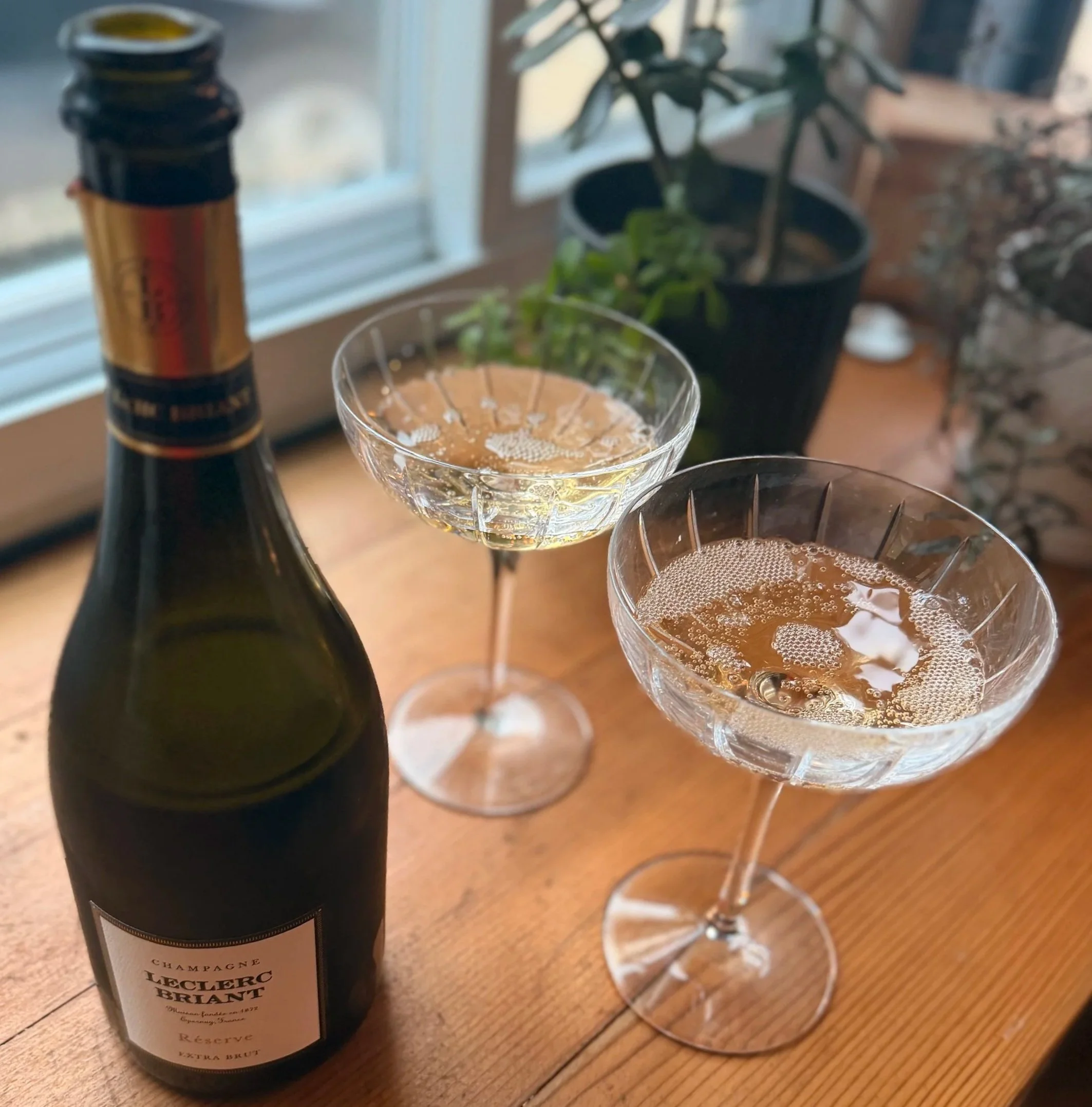
Here’s to embracing winter.
Here’s to slowing down.
And here’s to Sunday Sips that remind us celebration doesn’t require an occasion—just intention.
Cheers 🥂