EATS: Ribollita Soup Recipe
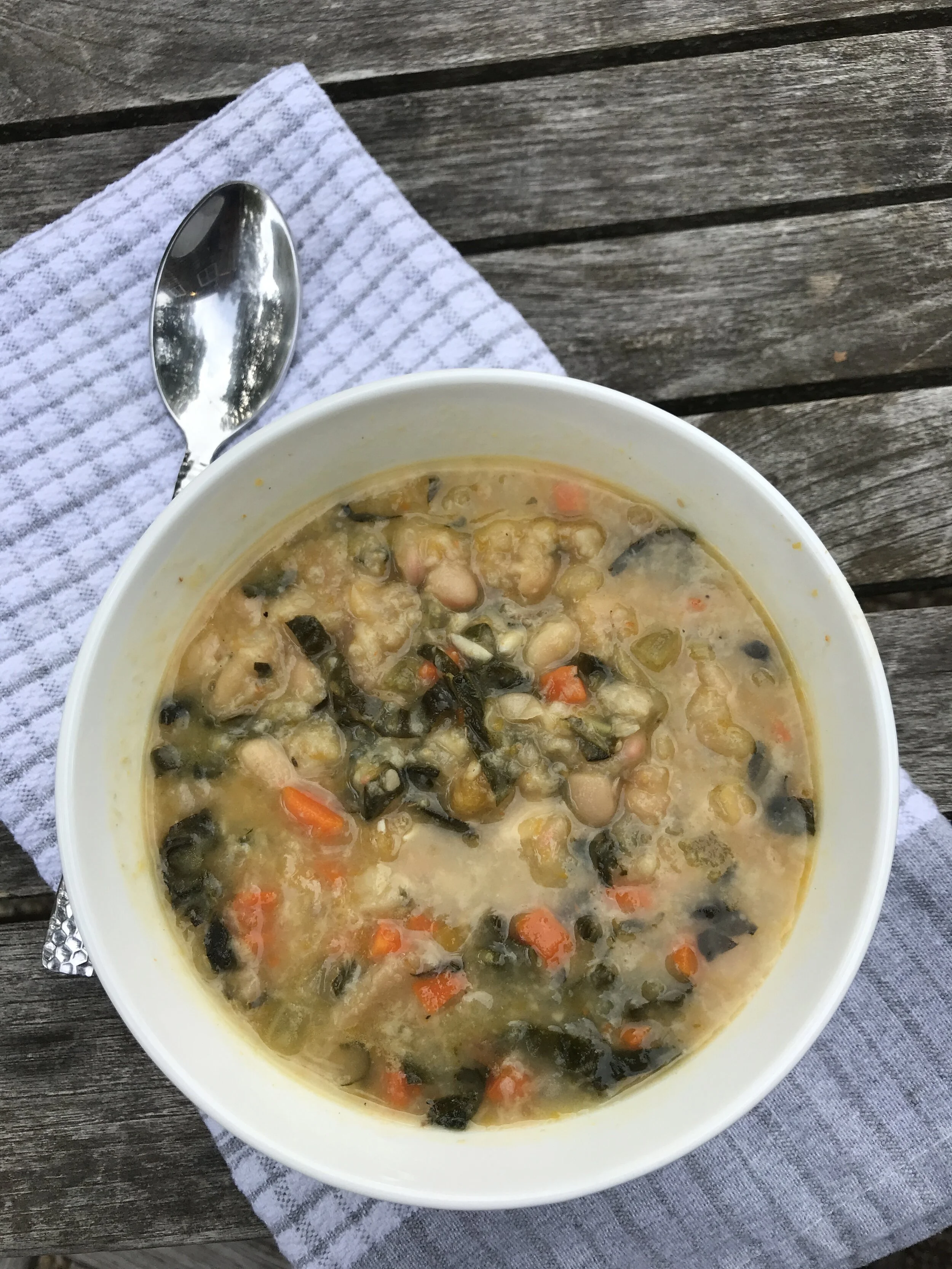
Ribollita—Tuscan bread soup— is a delicious and hearty soup to enjoy. With a base of creamy cannellini beans, rustic Tuscan bread, and chalk full of vegetables, this soup recipe can easily satisfy for a main course or can be served in a smaller serving as the appetizer to your meal. This ribollita soup recipe is entirely vegetarian making it a great go-to soup when you are serving guests with a range of dietary requests.
You can add a variety of vegetables to this soup. For instance, butternut squash goes well. I like to keep it pretty pure and simple with traditional Tuscan kale, onions, carrots, and celery but by all means if you want to toss another preferred vegetable or two into your stew, don’t be afraid to test it out.
Ribollita Ingredients
3 tablespoons extra virgin olive oil, + extra for drizzling
3 medium cloves garlic, minced
1 medium yellow onion, diced
4 large carrots, peeled and diced
3 large celery stalks, diced
2 quarts of water + additional if needed
1 bunch Tuscan kale, ribs removed, chiffonade
2 whole sprigs thyme
2 whole sprigs sage
2 15 ounce cans cooked beans, such as cannellini
2 cups stale rustic crusty bread, cubed
Kosher salt
Black pepper, freshly ground
Ribollita Instructions
In a large soup pot, heat olive oil over medium heat. Add garlic. Next, add onion, carrots, and celery.
Lower the heat and stir. Add herbs (thyme and sage) and 1 teaspoon of kosher salt. Cook until soft, do not allow the vegetables to brown.
Add 3 quarts of water and kale. Allow to cook at a low simmer for about 10 minutes.
Next, add beans and bread cubes to the stew.
Bring to a boil and then lower heat and simmer for approximately 15 minutes.
Turn off heat and give the soup a quick pulse. Add water as needed.
Salt and pepper to taste
Laddle into soup bowls and enjoy! You can top it off with a little parmesan cheese
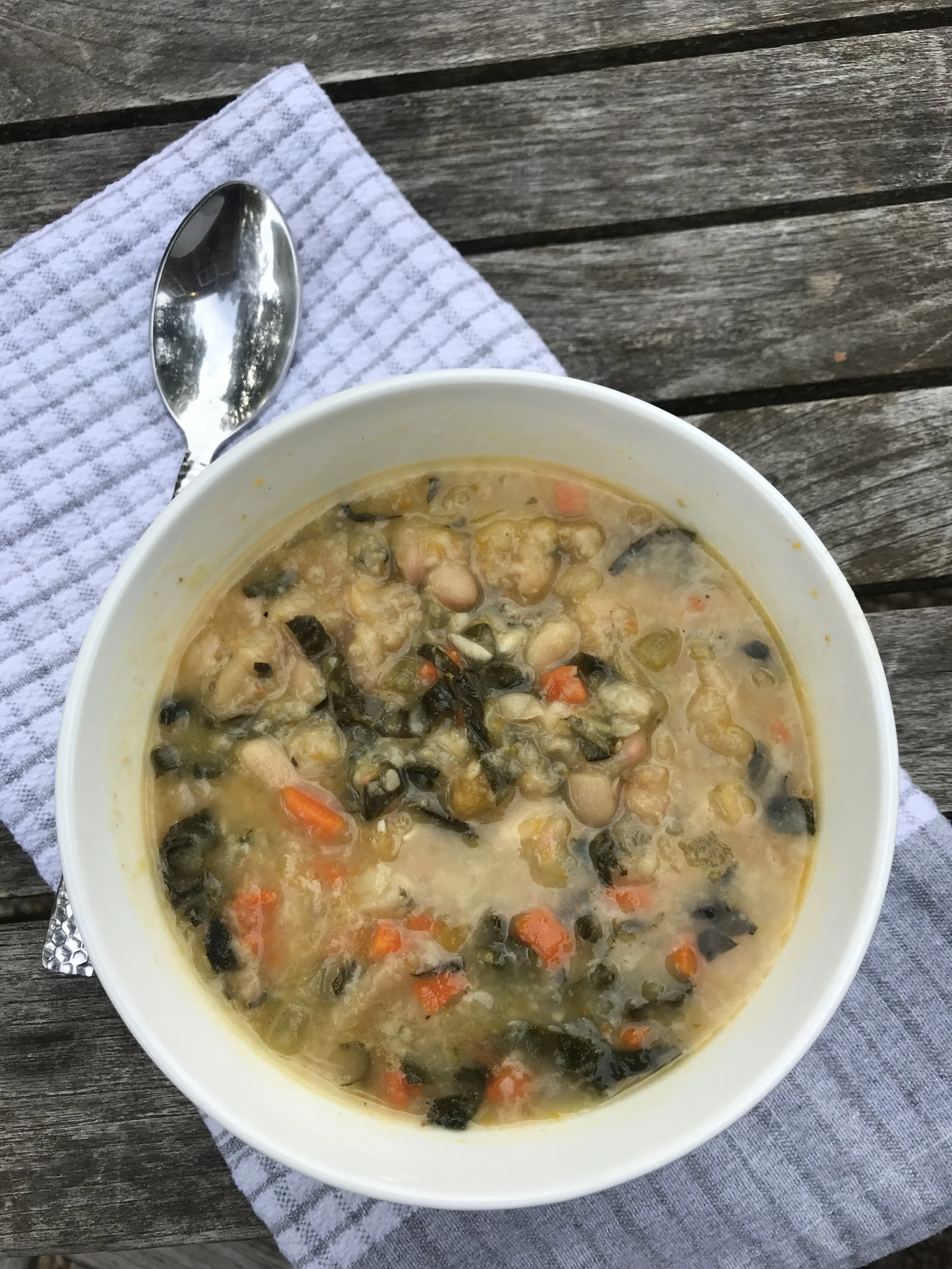
This classic Ribollita recipe is not only a beloved Italian comfort dish but also a nutritional powerhouse filled with seasonal vegetables, leafy greens, beans, and heart-healthy olive oil. Rooted in the Tuscan tradition of using wholesome, simple ingredients, Ribollita provides an incredible array of health benefits while delivering deep, hearty flavors perfect for colder months. Each component brings unique nutrients and wellness properties, making this soup as nourishing for the body as it is satisfying for the soul.
A Base of Vegetables: Vitamins, Fiber, and Antioxidants
The aromatic foundation of garlic, onions, carrots, and celery—often called a “soffritto” in Italian cooking—forms the backbone of both flavor and nutrition in this dish.
Garlic is widely celebrated for its immune-boosting and anti-inflammatory properties, thanks to compounds like allicin. Regular consumption has been linked to improved cardiovascular health and reduced oxidative stress in the body.
Onions bring quercetin, a potent antioxidant with anti-inflammatory effects, along with vitamin C and prebiotic fibers that feed beneficial gut bacteria.
Carrots, with their bright orange hue, are packed with beta-carotene, a precursor to vitamin A essential for eye health, immune function, and skin repair. Their natural sweetness balances the savory elements of the soup while contributing antioxidants and soluble fiber.
Celery offers a combination of vitamin K, folate, and potassium, all vital for bone and heart health. It is also naturally hydrating and contains phytonutrients that support anti-inflammatory processes in the body.
Together, these vegetables provide a wide spectrum of vitamins, minerals, and antioxidants, forming a nutrient-rich base that supports overall wellness.
Tuscan Kale: A Nutritional Superstar
Ribollita is incomplete without Tuscan kale (also known as lacinato or dinosaur kale), one of the most nutrient-dense greens available. Kale is loaded with vitamins A, C, and K, calcium, magnesium, and powerful antioxidants like lutein and zeaxanthin, which support eye health. Vitamin K in particular plays a critical role in bone strength and cardiovascular health.
Additionally, kale is a cruciferous vegetable containing glucosinolates, compounds studied for their potential cancer-protective properties. Its high fiber content promotes healthy digestion and a balanced gut microbiome while helping to regulate blood sugar and cholesterol levels.
Fresh Herbs: Thyme and Sage
Herbs like thyme and sage elevate the flavor of Ribollita while offering surprising wellness benefits.
Thyme is naturally antimicrobial and contains compounds like thymol, which support immune function and respiratory health.
Sage has long been studied for its anti-inflammatory, antioxidant, and cognitive-supportive properties. Traditionally used in herbal medicine, sage may also support digestion and help balance blood sugar levels.
These aromatic herbs not only enhance the dish’s flavor but also contribute functional compounds that promote well-being.
Cannellini Beans: Plant-Based Protein and Fiber
Cannellini beans, a traditional staple in Ribollita, are a fantastic source of plant-based protein, complex carbohydrates, and soluble fiber. Their high fiber content supports satiety, helps regulate blood sugar, and promotes a healthy gut by feeding beneficial bacteria.
Beans are also rich in folate, iron, magnesium, and potassium, nutrients essential for energy production, cardiovascular function, and red blood cell formation. Additionally, beans contain polyphenols, plant compounds with antioxidant and anti-inflammatory effects.
Including beans in the diet has been associated with reduced cholesterol levels, improved heart health, and better weight management, making them a cornerstone of many longevity-promoting cuisines.
Stale Rustic Bread: Energy and Comfort
The addition of stale rustic bread transforms this vegetable-bean soup into a hearty, filling meal. While bread provides complex carbohydrates for energy, using whole-grain or sourdough varieties boosts the nutritional value with additional fiber, B vitamins, and minerals. Sourdough bread, in particular, offers natural probiotics and easier digestibility due to its fermentation process.
In Ribollita, the bread also absorbs the flavorful broth, creating a thick, stew-like texture that feels both comforting and satisfying without the need for cream or heavy ingredients.
Extra Virgin Olive Oil: Heart-Healthy Fats
Finally, extra virgin olive oil—used both in cooking and drizzled on top before serving—is central to the dish’s flavor and health benefits. Rich in monounsaturated fats and polyphenols, olive oil supports cardiovascular health, reduces inflammation, and provides antioxidant protection against cellular damage.
As a key component of the Mediterranean diet, olive oil has been linked to reduced risk of chronic diseases, better brain function, and improved longevity.
Overall Wellness Benefits
Altogether, Ribollita delivers a perfect balance of fiber, plant-based protein, healthy fats, complex carbohydrates, vitamins, minerals, and antioxidants. It supports:
Heart health through olive oil, beans, and potassium-rich vegetables.
Immune function via vitamin C, garlic, and antioxidant compounds.
Digestive health with fiber-rich beans, kale, and vegetables.
Anti-inflammatory and antioxidant defenses through herbs, olive oil, and phytonutrient-dense greens.
Warm, filling, and deeply nourishing, Ribollita offers the kind of wholesome nutrition that aligns with both traditional wisdom and modern wellness science.